The Shrimp "Vein": A Small Detail That Sparks Big Curiosity in the Kitchen
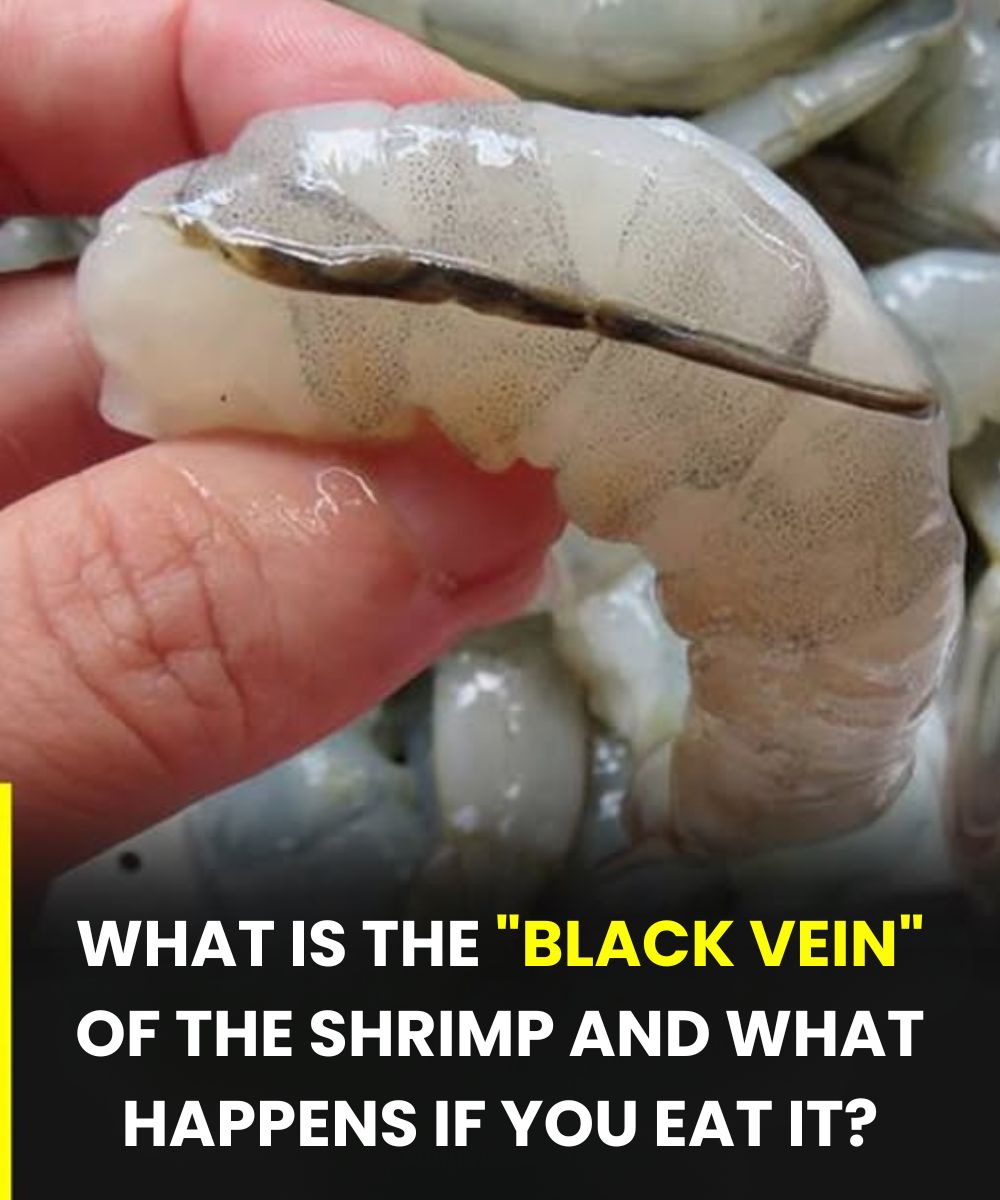
Shrimp is a popular ingredient in kitchens around the world, appreciated for its mild flavor, quick cooking time, and versatility. It works just as well in everyday meals as it does in elegant dishes. One small detail, however, often raises questions among home cooks and professionals alike: the thin dark line that runs along the shrimp's back, commonly known as the "vein."
Understanding what this line actually is can help cooks make informed decisions and improve the overall dining experience.
What the "Vein" Really Is
Despite its name, the shrimp's "vein" is not a vein at all. It is the shrimp's digestive tract. This channel runs along the upper part of the body and may contain traces of what the shrimp consumed before being harvested, such as plankton or organic particles from its environment. Depending on its contents, the line can appear light brown or very dark.
Shrimp do not have veins in the way mammals do. Their circulatory system is entirely different, and the dark line has nothing to do with blood. The misnomer persists because "vein" is simply the term cooks have used for generations.
There is also a second, less visible tract along the underside of the shrimp. This is the nerve cord, and it is rarely noticed or removed. When people talk about deveining shrimp, they are always referring to the digestive tract along the back.
Is It Safe to Eat?
From a food safety perspective, shrimp is generally safe to eat when it is fresh and thoroughly cooked. Proper cooking temperatures significantly reduce the risk of harmful bacteria. While safety is rarely a concern, flavor, texture, and presentation are often the main reasons people pay attention to this detail.
To be clear: eating the digestive tract will not make you sick, provided the shrimp is fresh and fully cooked. Millions of people around the world eat shrimp without deveining, particularly in cuisines where shrimp are cooked and eaten whole, shell and all.
That said, "safe" and "pleasant" are different things, which is why deveining remains standard practice in many kitchens.
Why Cooks Bother to Devein
Many cooks prefer to remove the digestive tract because it can affect the eating experience. When left intact, some people notice a slightly gritty texture or a mild aftertaste, particularly in larger shrimp where the tract is more prominent.
The main reasons for deveining:
- Texture: The tract can feel gritty or sandy, especially if it contains undigested particles. Removing it gives a cleaner bite.
- Flavor: While subtle, some tasters detect a slightly bitter or muddy note from an intact tract.
- Appearance: A dark line running through pink shrimp flesh is visually unappealing to many diners, especially in elegant presentations.
- Professional standards: In restaurants, deveined shrimp is simply expected. Serving shrimp with visible tracts would be considered sloppy.
- Peace of mind: Even knowing it is harmless, many people prefer not to think about what they are eating.
For small shrimp, the tract is so thin that most cooks skip deveining entirely. For large or jumbo shrimp, where the line is thick and dark, removal makes a noticeable difference.
How to Devein Shrimp: Step by Step
Deveining is quick and easy once you know the technique:
1. Peel (optional): If your recipe calls for peeled shrimp, remove the shell first, leaving the tail on if desired for presentation.
2. Make a shallow cut: Using a small sharp knife or shrimp deveiner tool, cut a shallow slit along the back of the shrimp, from head to tail.
3. Lift out the tract: Use the tip of the knife, a toothpick, or your fingers to lift the dark line out. It usually comes away in one piece.
4. Rinse: Give the shrimp a quick rinse under cold water to wash away any residue.
5. Pat dry: Dry the shrimp with paper towels before cooking for better searing.
The whole process takes seconds per shrimp once you get the rhythm. Many cooks find it meditative, a small ritual of care before cooking.
Buying Tips: What to Look For
- Freshness first: Fresh shrimp should smell like the ocean, not fishy or ammonia like. The flesh should be firm and translucent.
- Frozen is fine: Most "fresh" shrimp was previously frozen anyway. High quality frozen shrimp, thawed properly, is excellent.
- Pre deveined options: Many stores sell shrimp that is already peeled and deveined, saving time for weeknight cooking.
- Size matters: Larger shrimp have more prominent tracts and benefit most from deveining.
- Wild vs. farmed: Both can be excellent. Look for reputable sourcing and certifications if sustainability matters to you.
Cooking Shrimp Perfectly
Once deveined, shrimp cooks in minutes. A few principles ensure great results:
- Do not overcook: Shrimp go from perfect to rubbery in under a minute. They are done when they curl into a C shape and turn opaque pink. An O shape means overcooked.
- High heat, short time: Searing, grilling, or stir frying over high heat gives the best texture.
- Season boldly: Shrimp's mild flavor welcomes garlic, chili, lemon, herbs, and spices.
- Butterfly for presentation: Cutting deeper along the back and opening the shrimp flat creates an elegant butterfly shape that cooks evenly.
Frequently Asked Questions
What is the dark line in shrimp?
It is the shrimp's digestive tract, not a vein. It runs along the back and may contain traces of what the shrimp ate.
Do I have to devein shrimp?
No. It is safe to eat shrimp with the tract intact as long as the shrimp is fresh and fully cooked. Deveining improves texture, flavor, and appearance, especially in larger shrimp.
Does the vein contain harmful bacteria?
The tract itself is not inherently dangerous. As with all seafood, the key safety factors are freshness and thorough cooking to proper temperatures.
What about the dark line on the underside?
That is the nerve cord, not the digestive tract. It is rarely removed and is not a concern for texture or flavor.
Can I devein shrimp without peeling them?
Yes. You can devein shell on shrimp by making a cut through the shell along the back, removing the tract, and leaving the shell in place for cooking. Many grilled shrimp recipes use this method for extra flavor.
That thin dark line has sparked curiosity in kitchens for generations. Now you know the truth: it is not a vein, it is not dangerous, and removing it is a matter of craft rather than safety. Whether you devein religiously or never bother, you are making an informed choice, and that is what good cooking is all about.