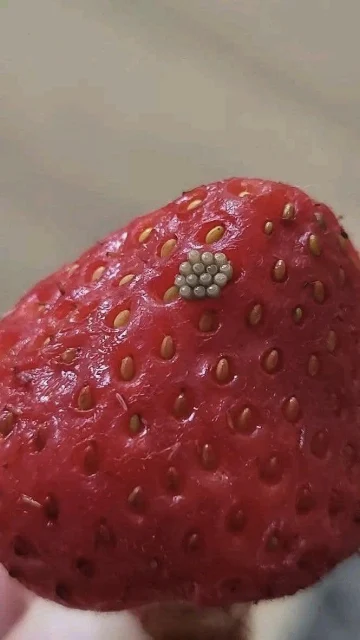
Fresh strawberries are one of the most popular fruits during the warmer months, but viral social media videos have left many people questioning whether they’re safe to eat. In these videos, strawberries are soaked in salt water, revealing tiny white worm-like creatures that appear to crawl out of the fruit.
While the videos can be unsettling, the reality is much less alarming than it seems. Here’s what experts say about these tiny larvae, why they appear, and whether you should be concerned.
What Are the Tiny White Worms in Strawberries?
The small white creatures seen in some strawberries are typically the larvae of the spotted wing drosophila (Drosophila suzukii), a species of fruit fly.
Unlike common fruit flies that lay eggs in overripe or rotting fruit, spotted wing drosophila females can lay eggs inside healthy, ripening fruit. Once the eggs hatch, the tiny larvae feed on the fruit until they mature. These larvae are usually only 2 to 3 millimeters long and are white or pale yellow in color. Although they may look unpleasant, they are fruit fly larvae rather than parasitic worms.
Are They Harmful to Humans?
According to food safety experts, these larvae are not considered dangerous to humans. They are not parasites, cannot survive inside the human body, do not produce toxins, and are not known to spread diseases to people.
If someone accidentally consumes one, the digestive system simply breaks it down like any other food protein. While the thought may be unpleasant, it is generally not considered a food safety concern.
Why Do They Come Out in Salt Water?
Many viral videos show strawberries soaking in salt water before the larvae emerge.
The salt creates an environment that irritates the larvae, encouraging some of them to leave the fruit. This process does not guarantee that every larva will come out, but it can reveal whether any are present inside the berry.
For this reason, the salt water method is best viewed as a way to detect larvae rather than a complete cleaning solution.
Does Every Strawberry Contain Larvae?
No. The likelihood depends on several factors, including where the strawberries were grown, the weather conditions during the growing season, the time of harvest, the pest management practices used by farmers, and the variety of strawberry itself.
Many commercially grown strawberries contain no larvae at all, and millions of people enjoy fresh strawberries every year without ever encountering this issue.
How to Wash Strawberries
Cleaning strawberries before eating them is always a good idea because it helps remove dirt and surface residues.
A simple salt water soak can be made by mixing one or two tablespoons of salt into about four cups of cold water. Allow the strawberries to soak for 15 to 20 minutes, then rinse them thoroughly under clean running water and dry them before serving or storing.
Another popular option is a vinegar solution made by mixing one part white vinegar with three parts water. Soak the berries for five to ten minutes, rinse them well with fresh water, and allow them to dry. This method may help reduce bacteria and mold that naturally occur on the surface of fresh produce.
Cooking Eliminates the Issue
If you prefer complete peace of mind, cooking strawberries is another excellent option.
Heat destroys any larvae that may be present, making them undetectable in foods such as strawberry jam, fruit sauces, pie fillings, muffins, cakes, and other baked desserts. Cooked strawberries remain nutritious and delicious while eliminating concerns about live larvae.
Which Fruits Can Be Affected?
The spotted wing drosophila can also affect other soft fruits. Blueberries, raspberries, blackberries, cherries, plums, peaches, nectarines, and some grape varieties may occasionally host these fruit fly larvae. The same food safety guidance generally applies to all of these fruits.
Why Insects Are Sometimes Found in Produce
Fresh fruits and vegetables are grown outdoors, where insects are naturally part of the environment. Even with careful farming practices and quality control, completely eliminating every insect is nearly impossible.
Farmers use monitoring systems, sanitation practices, and integrated pest management techniques to reduce pest populations while protecting crops. Finding occasional insect activity in produce is generally considered an agricultural quality issue rather than a human health concern.
Should You Stop Eating Strawberries?
For most people, there is no reason to avoid strawberries. They are rich in vitamin C, fiber, antioxidants, potassium, and other important nutrients that support a healthy diet.
If viral videos have made you uncomfortable, simply washing your berries thoroughly or cooking them before eating can provide extra reassurance without giving up this nutritious fruit.
Frequently Asked Questions
Can these larvae make me sick?
Current scientific evidence indicates that these larvae are not harmful to healthy people and are not known to transmit disease.
Are organic strawberries more likely to contain larvae?
Organic farms may experience greater insect pressure because they rely on different pest management strategies than conventional farms. However, both organic and conventional strawberries are produced under food safety standards.
Can I see the larvae without soaking the berries?
Sometimes. They are very small but can occasionally be seen with the naked eye if present.
Are frozen strawberries safe?
Yes. Freezing stops larval activity, and frozen strawberries remain safe to eat when properly handled and prepared.
What’s the best way to prepare strawberries?
Rinse them thoroughly under clean running water before eating. If you prefer additional reassurance, soak them briefly in a salt or vinegar solution, rinse them again, and enjoy.
Final Thoughts
Viral videos showing tiny white larvae emerging from strawberries can certainly be surprising, but they do not tell the complete story.
The tiny organisms are usually fruit fly larvae that occasionally develop in outdoor-grown fruit. Food safety experts generally consider them a cosmetic issue rather than a health risk.
For most consumers, there is no reason to stop enjoying strawberries. Washing them carefully before eating and cooking them when desired are simple steps that can provide extra confidence while allowing you to continue enjoying one of nature’s healthiest and most flavorful fruits.