Traditional Apricot Jam Recipe That Captures the Taste of Summer
This traditional apricot jam recipe captures the essence of summer in every spoonful. Made with ripe apricots, it highlights the fruit's natural sweetness and vibrant flavor without relying on added pectin. Instead, a simple resting technique allows the apricots to release their own juices, creating a naturally thick and beautifully textured jam.
The process begins with combining fresh apricots and sugar, then allowing them to sit together before cooking. During this time, the fruit softens and forms a natural syrup, which enhances both the flavor and consistency of the final jam. The result is a bright, fragrant spread that tastes fresh, homemade, and comforting.
Why apricots make such good jam
Apricots are naturally rich in pectin and acidity, two things that help jam set firmly and taste balanced. That means apricot jam rarely needs commercial pectin or extra help to achieve a lovely, spreadable texture. Their flavor is also ideal for preserving: sweet but with enough tartness to keep the jam lively rather than one-dimensional.
Apricots have a short season, typically from late spring through mid-summer depending on the region, so making jam is a traditional way to stretch that brief abundance across the whole year. A jar of apricot jam opened in January tastes like a direct line back to summer.
Choosing the best apricots
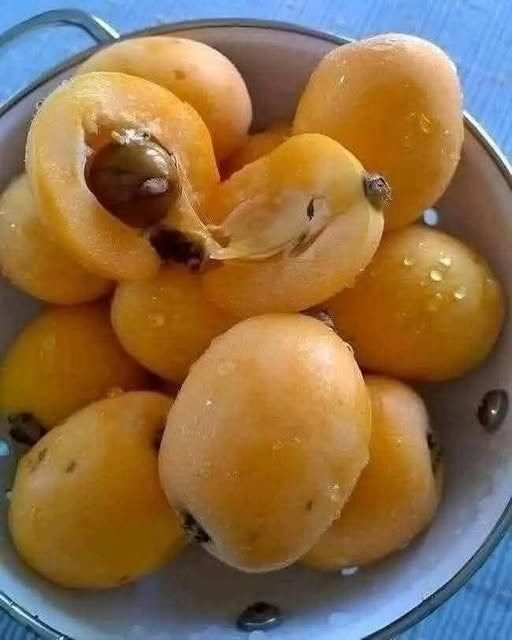
The quality of your jam is decided before you touch the stove. Look for apricots that are deeply colored, fragrant, and slightly soft to the touch; these are signs of full ripeness. Apricots that are pale and rock-hard will not develop much flavor, even with extra cooking.
Slightly overripe apricots are actually excellent for jam, since they are at their sweetest and break down easily. Just avoid any fruit with mold, bruising that has turned dark and mushy, or a fermented smell. If you have access to different varieties, Blenheim and Tilton types are prized for jam, but any ripe apricot will make a delicious batch.
Ingredients
For about 4 to 5 jars (250 ml each):
- 1 kg (about 2.2 lbs) ripe apricots
- 750 g (about 3 3/4 cups) granulated sugar
- 3 tablespoons fresh lemon juice
- Optional: 2 tablespoons water if the apricots are very dry
Apricot pits contain kernels that taste faintly of almonds. Some traditional recipes crack a few pits and add the kernels to the jam for a subtle almond note. This is entirely optional; the jam is excellent without it.
Equipment
- A large, heavy-bottomed pot or preserving pan
- A wooden spoon or heatproof spatula
- Clean glass jars with tight-fitting lids, sterilized
- A small plate kept in the freezer for the set test
Step-by-step instructions
- Prepare the apricots. Wash the apricots thoroughly, cut them in half, and remove the pits. Peeling is optional: leaving the skins on adds a richer color and a slightly rustic texture, while peeling gives a smoother, more refined jam. Chop the halves into small, even pieces.
- Rest with sugar. Place the chopped apricots in your heavy-bottomed pot with the sugar and lemon juice (and the water, if using). Stir gently to coat the fruit. Cover and let the mixture rest at room temperature for about 30 minutes, or up to 2 hours. During this rest, the apricots soften and release their juices, forming a natural syrup that improves both flavor and consistency.
- Begin cooking. Place the pot over low to medium heat. Stir until the sugar is fully dissolved, then bring the mixture to a gentle simmer.
- Simmer and stir. Cook for 30 to 50 minutes, depending on the ripeness of the fruit and how thick you prefer the jam. Stir occasionally at first, then more frequently as it thickens, to prevent sticking. Skim off any foam that forms on the surface.
- Adjust the texture. As the fruit softens, you can lightly mash it with the back of your spoon for a smoother consistency, or leave the pieces intact for a chunky, traditional finish. Both are correct; it is a matter of taste.
- Test the set. Spoon a small amount onto your chilled plate and let it cool for a minute. Push it gently with your finger: if it wrinkles and holds its shape, the jam is done. If it is still runny, cook for another 5 minutes and test again.
- Jar the jam. Carefully ladle the hot jam into clean, sterilized jars, leaving about 1 cm of headspace. Wipe the rims, seal tightly with lids, and let the jars cool completely. Properly sealed jars keep in a cool, dark place for up to a year.
Tips for a perfect batch
- Do not rush the rest. The resting step is what makes this recipe work without added pectin. Skipping it means the fruit will not release enough juice, and the jam may cook unevenly.
- Use a wide pot. A wide preserving pan gives more surface area for evaporation, which shortens cooking time and keeps the color bright and the flavor fresh.
- Watch the heat near the end. Apricot jam thickens quickly in the final minutes and scorches easily. Reduce the heat and stir constantly once it starts to mound on the spoon.
- Test twice. The cold plate test is more reliable than the clock. When in doubt, test again after 5 minutes rather than overcooking.
- Sterilize properly. Wash jars and lids in hot soapy water, then keep them hot until filling. Boil metal lids briefly and keep jars warm in a low oven or hot water bath.
Flavor variations
- Apricot and vanilla. Split half a vanilla bean and add it during cooking, removing it before jarring.
- Apricot and almond. Add a few drops of almond extract at the end of cooking, or include a handful of blanched almond slivers.
- Spiced apricot. A cinnamon stick and two or three whole cloves during cooking give a warm, wintry profile.
- Apricot and ginger. A tablespoon of freshly grated ginger adds brightness and a gentle warmth.
- Apricot and orange. Replace the lemon juice with fresh orange juice and add a strip of orange zest for a citrusy twist.
Storage and shelf life
Properly sealed jars stored in a cool, dark cupboard keep for up to a year. Refrigerate after opening and use within 3 to 4 weeks. Discard any jar with mold, a fermented smell, or a bulging lid.
Ways to enjoy apricot jam
Spread it on warm toast or croissants, swirl it into plain yogurt, use it as a filling for thumbprint cookies or layer cakes, or warm it and brush it over a fruit tart as a glaze. It also pairs beautifully with cheese: a spoonful of apricot jam alongside aged cheddar, goat cheese, or brie turns a simple cheese board into something memorable. For a savory use, thin it with a little vinegar and brush it onto roasted chicken or pork in the last minutes of cooking.
This timeless recipe brings a warm, homemade touch to any meal, and every jar opened in the colder months is a small reminder of summer.