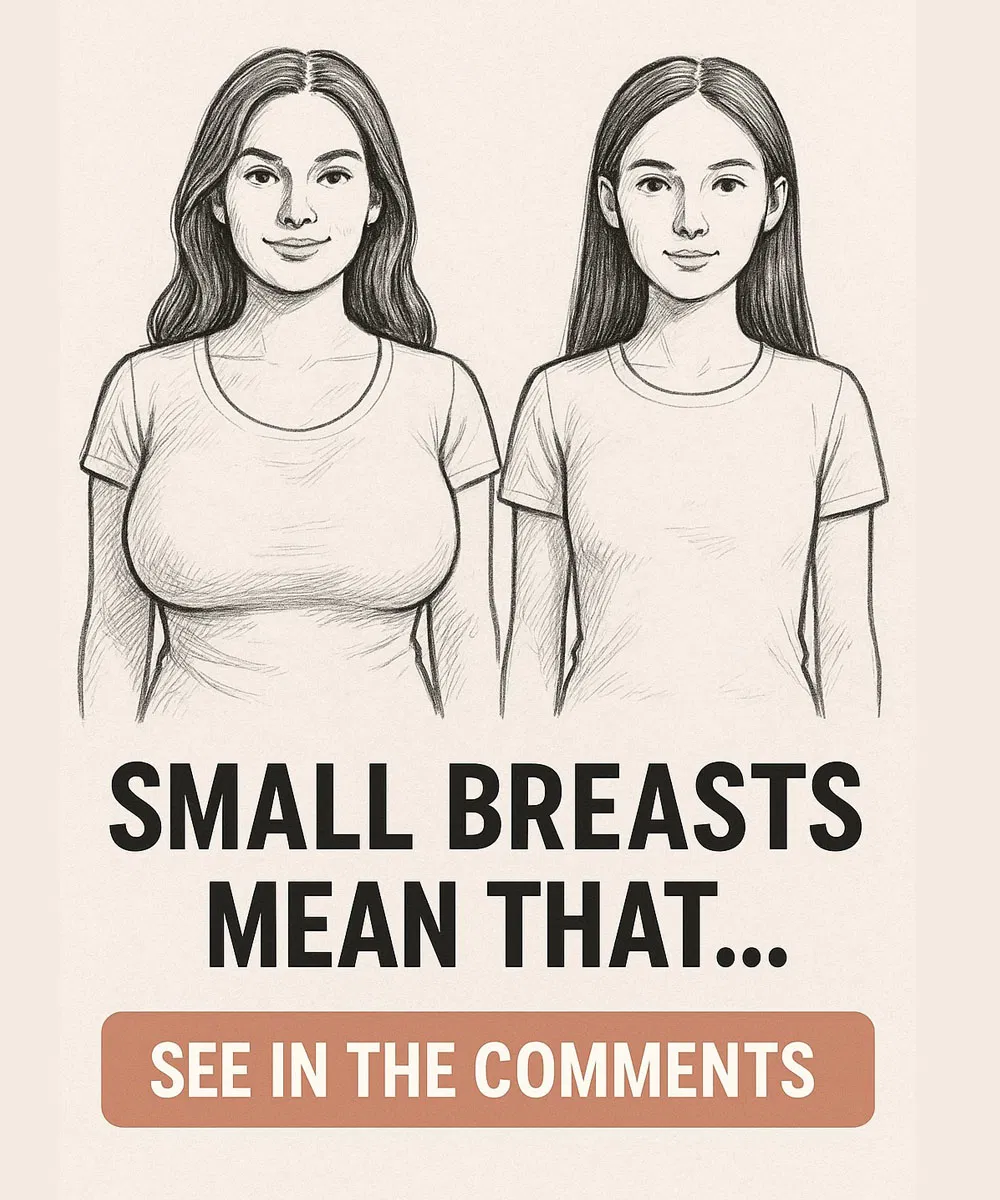
Understanding the Connection Between Breast Size and Hormonal Health
When it comes to women's health, breast size has often been linked to many myths and assumptions. Some wonder whether bust size plays a role in hormonal balance or overall well-being. The truth is, while hormones do influence breast development, breast size itself is not a measure of health. Let's explore the facts, clear up common misconceptions, and share helpful tips for supporting hormonal wellness naturally.
The Science Behind Breast Size
Breast size is mainly influenced by genetics and hormones, particularly estrogen and progesterone. During puberty, these hormones stimulate breast tissue growth. Other factors like age, weight, and lifestyle habits can also affect breast appearance over time. It's important to understand that small or large breasts do not indicate poor health. Every woman's body is unique, and bust size is not a reliable sign of hormonal balance or overall wellness.
To understand this better, it helps to know what breasts are made of. Breast tissue consists of glandular tissue, which produces milk, and fatty tissue, which largely determines size. Two women can have the same amount of glandular tissue and very different breast sizes simply because of differences in fatty tissue. That is why size says nothing about function: milk production, for example, depends on glandular tissue and hormones, not on cup size.
Hormones Through Life's Stages
Hormones influence the breasts throughout a woman's life, not just during puberty:
- Puberty: Rising estrogen and progesterone trigger breast development, usually between ages 8 and 13, with full development taking several years.
- Menstrual cycle: Many women notice their breasts feel fuller or more tender before their period, when hormone levels shift. This is normal and temporary.
- Pregnancy: Hormones prepare the breasts for breastfeeding, often causing noticeable growth and tenderness.
- Postpartum and breastfeeding: Prolactin and oxytocin drive milk production; size changes during this time are common.
- Perimenopause and menopause: Declining estrogen can change breast density and firmness.
Understanding these normal shifts can reduce worry. Breasts are supposed to change over time, and those changes reflect the body's hormonal rhythms, not problems.
Myths vs. Facts About Hormones and Breast Size
One widespread myth is that smaller breasts mean weaker health or reduced femininity. This has no scientific support. True health is defined by balanced nutrition, mental well-being, and physical vitality, not by physical appearance.
On the other hand, some research suggests that women with larger busts may have a slightly higher likelihood of certain conditions like heart disease or diabetes. However, these risks are more often linked to excess body weight rather than breast size itself. Maintaining hormonal balance and overall health is what really matters.
Other common myths deserve clearing up:
- Myth: Breast size indicates fertility. There is no scientific basis for this. Fertility depends on ovulation and reproductive health, not breast size.
- Myth: You can permanently change breast size with creams or exercises. No cream changes breast tissue, and chest exercises strengthen the muscles underneath without changing breast size itself.
- Myth: Asymmetry means something is wrong. Most women have some asymmetry, and it is completely normal.
- Myth: Pain always signals a serious problem. Cyclical breast pain linked to the menstrual cycle is very common, though new or persistent pain should always be checked.
Tips for Supporting Hormonal Health
No matter your body type, these healthy habits can help promote hormonal balance:
- Eat a balanced diet: Focus on fruits, vegetables, whole grains, lean proteins, and healthy fats. Foods rich in omega-3 fatty acids, like salmon, walnuts, and chia seeds, are especially supportive of hormone health.
- Stay active: Regular movement helps regulate hormones and maintain a healthy weight. Try activities like walking, yoga, cycling, or dancing, anything that keeps you moving.
- Manage stress: Stress can disrupt hormones over time. Simple practices like meditation, journaling, or deep breathing can help restore balance.
- Prioritize sleep: Poor sleep disrupts hormones that regulate appetite, stress, and reproduction. Aim for consistent, quality rest.
- Consider natural support: Some natural supplements, such as evening primrose oil or vitex, may help support menstrual health. Always check with a healthcare professional before adding new supplements to your routine.
Natural Remedies for Women's Wellness
Alongside daily habits, some natural remedies may provide gentle support:
- Sage tea: Traditionally used to promote hormonal balance.
- Maca root: Often praised for its energy-boosting and hormone-supporting benefits.
- Ginger tea: A natural anti-inflammatory that may ease menstrual discomfort and support overall health.
Natural does not automatically mean risk-free. Herbal products can interact with medications and are not regulated as strictly as pharmaceuticals, so professional guidance matters here too.
Breast Health Beyond Size
Whatever your size, proactive breast health care is what truly protects you:
- Know your normal: Pay attention to how your breasts usually look and feel so you can notice changes.
- Follow screening guidelines: Talk to your healthcare provider about when to begin mammograms based on your age and risk factors.
- Report changes promptly: New lumps, skin changes, nipple discharge, or persistent pain deserve evaluation, regardless of breast size.
- Supportive bras: A well-fitting bra improves comfort and posture, especially during exercise.
Frequently Asked Questions
Does breast size affect breastfeeding ability?
No. Milk production depends on glandular tissue and hormones, not on overall breast size. Women of all sizes can breastfeed successfully.
Can birth control change breast size?
Hormonal contraception can cause temporary fullness or tenderness in some women, but significant permanent changes are uncommon.
Is it normal for breasts to change size during the menstrual cycle?
Yes. Hormonal shifts commonly cause temporary fullness, tenderness, or sensitivity before a period.
When should I see a doctor about breast changes?
Any new lump, persistent pain, skin dimpling, nipple changes, or discharge should be evaluated promptly. When in doubt, get checked.
Do I need different health screenings based on my breast size?
Screening recommendations are based on age, family history, and risk factors, not on size. Your provider can advise on the right schedule for you.
This article is for informational purposes only and is not medical advice. Please consult a qualified professional.