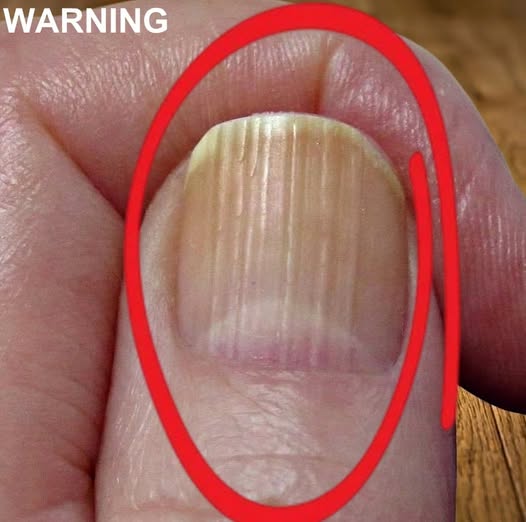
If you notice changes in your nails—such as differences in color, thickness, texture, or shape—it may be a good idea to consider a medical check-up. While many nail changes are harmless, ongoing or unusual symptoms can sometimes reflect underlying health concerns, including nutritional deficiencies, circulation issues, or infections. Paying attention to these signs can help you decide when to seek professional advice.
Fingernails are often viewed as a cosmetic feature, but they can also provide insight into overall health. Made primarily of keratin—the same protein found in hair and skin—nails rely on proper nutrition and steady blood flow to grow and remain strong. Because of this, even small changes in their appearance can sometimes signal changes happening inside the body.
Healthy nails are typically smooth, slightly curved, and light pink due to the blood vessels beneath them. They grow slowly, which means visible changes may reflect health conditions from weeks earlier. Doctors sometimes examine nails during routine check-ups because they can offer helpful clues about general well-being, even though they are not used alone to diagnose conditions.
For example, nails that appear unusually pale may be linked to reduced blood flow or low red blood cell levels, which can occur with certain types of anemia. Yellowing nails are often caused by fungal infections, especially if they become thick or brittle. In some cases, however, persistent discoloration may be associated with broader health conditions and should be evaluated.
A bluish tint to the nails can occur when oxygen levels in the blood are lower than normal. While this may happen temporarily in cold conditions, ongoing discoloration should be checked by a healthcare professional. Similarly, dark lines under the nail—especially if they change in appearance—should not be ignored and may require further examination.
Changes in nail texture can also provide useful information. Nails that are brittle, cracked, or peeling are often the result of environmental factors like frequent exposure to water or cleaning products. However, persistent weakness may be linked to nutritional imbalances or other internal factors.
Some nail shapes may also carry meaning. Spoon-shaped nails, which curve upward, are sometimes associated with low iron levels. Another condition, known as clubbing, involves the thickening of fingertips and curvature of the nails and may be linked to certain long-term health issues. Horizontal lines across the nails, called Beau’s lines, can appear after periods of physical stress, such as illness or recovery from surgery.
It’s important to remember that nails reflect past health patterns rather than immediate changes. Because they grow slowly, abnormalities may relate to events that happened weeks or even months earlier. Occasional or temporary changes are usually not a cause for concern, but ongoing or worsening symptoms should be taken seriously—especially if they occur alongside other issues like fatigue or discomfort.
Lifestyle habits play an important role in maintaining healthy nails. A balanced diet that includes proteins, fruits, vegetables, and whole grains helps support nail growth. Staying hydrated and protecting hands from harsh chemicals can also prevent damage. Simple steps like wearing gloves during cleaning or limiting exposure to strong nail products can make a difference over time.
While online information can be helpful, it’s best not to rely on self-diagnosis. Many nail symptoms can have multiple causes, and a healthcare professional can provide accurate guidance based on a full evaluation. In some cases, basic tests may be recommended to check for nutrient levels or other indicators of health.
In the end, your nails can serve as small but meaningful indicators of your overall well-being. By paying attention to noticeable or persistent changes, you can take a proactive approach to your health. When in doubt, seeking medical advice is always a safe and responsible choice.