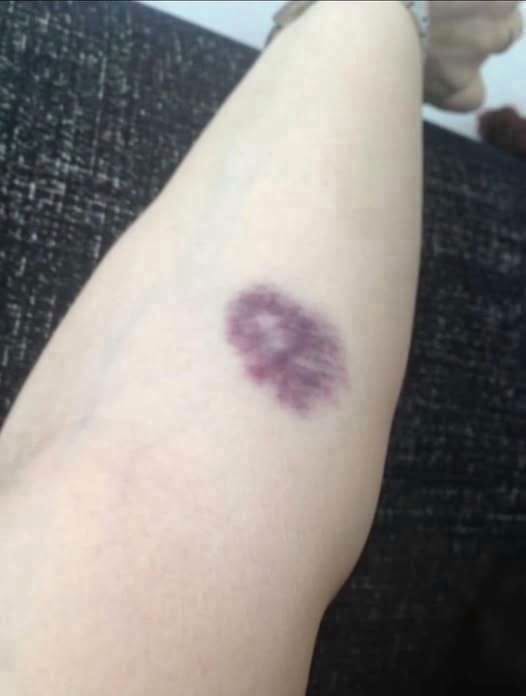
What Unexplained Bruises Could Mean and When to See a Doctor
Finding a bruise without remembering how it happened can be surprising. In many cases, bruises are harmless and result from minor bumps that are easy to forget. However, frequent or unexplained bruising may sometimes signal an underlying health issue that deserves medical attention. While bruising alone does not automatically indicate a serious illness, paying attention to changes in your body can help you decide when it's time to speak with a healthcare professional.
What Causes Bruises?
Bruises develop when small blood vessels beneath the skin are damaged, allowing blood to collect under the surface. Most bruises fade naturally within a few weeks as the body reabsorbs the blood. Common causes of bruising include:
- Minor bumps or falls you barely noticed at the time
- Intense physical activity or contact sports
- Aging, which makes blood vessels more fragile and skin thinner
- Certain medications, such as blood thinners, aspirin, or corticosteroids
- Vitamin deficiencies, including low vitamin C or vitamin K
Bruises change color as they heal, typically moving from red or purple to blue, then green, yellow, and finally brown before fading. This color timeline is normal and reflects the body breaking down and clearing the trapped blood.
Why Bruises Happen More Easily Sometimes
Some people bruise more easily than others, and the tendency can change over time. Women often bruise more easily than men, partly because of thinner skin. Older adults bruise more easily because blood vessels lose some of their protective cushioning with age. Sun-damaged skin is also more fragile. Certain supplements, such as fish oil, ginkgo, and high-dose vitamin E, can increase bleeding tendency as well. If you have started bruising more easily than usual, it is worth reviewing any new medications or supplements with your doctor or pharmacist.
When Should You Be Concerned?
Occasional bruises are usually nothing to worry about. However, you should consider seeing a doctor if you notice:
- Bruises that appear without any known injury
- Frequent or unusually large bruises
- Bruises that take a long time to heal
- Bruising accompanied by frequent nosebleeds or bleeding gums
- Persistent fatigue, unexplained weight loss, or ongoing fever along with bruising
These symptoms do not necessarily indicate a serious condition, but they should be evaluated by a qualified healthcare provider. Trust your instincts: if your bruising pattern has clearly changed, that change alone is worth mentioning at your next appointment, or sooner if other symptoms are present.
Possible Medical Conditions
Unexplained bruising can sometimes be associated with blood clotting disorders, low platelet counts, liver disease, certain vitamin deficiencies, or side effects of prescription medications. In rare cases, unexplained bruising may be linked to blood-related cancers such as leukemia. However, bruising alone is not enough to diagnose cancer, and many people with bruises do not have a serious illness.
The liver plays an important role in producing clotting proteins, which is why liver problems can lead to easier bruising. Platelets are the blood cells responsible for clotting, so anything that lowers their count or impairs their function can show up as bruising. This is also why blood thinners, which are prescribed to prevent dangerous clots, come with increased bruising as an expected side effect.
How Doctors Evaluate Unexplained Bruising
If bruising becomes frequent or unusual, your healthcare provider may:
- Review your medical history
- Ask about medications and supplements
- Perform a physical examination
- Order blood tests to check clotting function and blood cell counts
- Recommend additional testing if necessary
Early evaluation can help identify the cause and guide appropriate treatment. A typical workup starts with a complete blood count and basic clotting tests, which are simple blood draws. In most cases, these reveal a straightforward explanation, such as a medication effect or a mild vitamin deficiency, and the path forward is clear.
Tips to Reduce Everyday Bruising
You may be able to reduce minor bruising by:
- Eating a balanced diet rich in vitamins, especially vitamin C and vitamin K
- Using protective gear during sports or physical activities
- Following medication instructions carefully
- Keeping walkways clear and rooms well lit to prevent bumps and falls
- Wearing long sleeves or shin guards during activities that risk knocks
- Discussing persistent bruising with your doctor rather than stopping medications on your own
Never stop a prescribed blood thinner or other medication because of bruising without medical guidance. The medication is protecting you from a greater risk, and your doctor can adjust the approach safely if needed.
Frequently Asked Questions
Is it normal to bruise without remembering an injury?
Yes. Most people bump into furniture or objects during busy days and forget about it. An occasional mystery bruise on the legs or arms is usually nothing to worry about.
Why do I bruise more as I get older?
Aging thins the skin and weakens the small blood vessels beneath it, so less force is needed to cause a bruise. Sun exposure over the years adds to this fragility.
Can vitamins help with easy bruising?
Vitamin C supports blood vessel strength and vitamin K supports clotting. A balanced diet usually provides enough, but deficiencies can contribute to easy bruising. Talk to a professional before starting supplements.
Should I worry if a bruise does not fade?
Most bruises fade within two to four weeks. A bruise that keeps growing, becomes very painful, or does not improve after several weeks deserves medical attention.
Can exercise cause bruising?
Intense workouts, weightlifting, and contact sports can all cause bruises from minor vessel damage. This is usually harmless, but protective gear and proper form reduce the risk.
Do bruises look different on darker skin tones?
Yes. On darker skin, bruises may appear as dark purple, brown, or black rather than the classic blue and green, and the color changes during healing can be subtler. The same healing process applies regardless of skin tone, but it can be harder to see, so pay attention to tenderness and swelling too.
This article is for informational purposes only and is not medical advice. Please consult a qualified professional.