Why Aldi Uses a Coin Deposit System for Shopping Carts
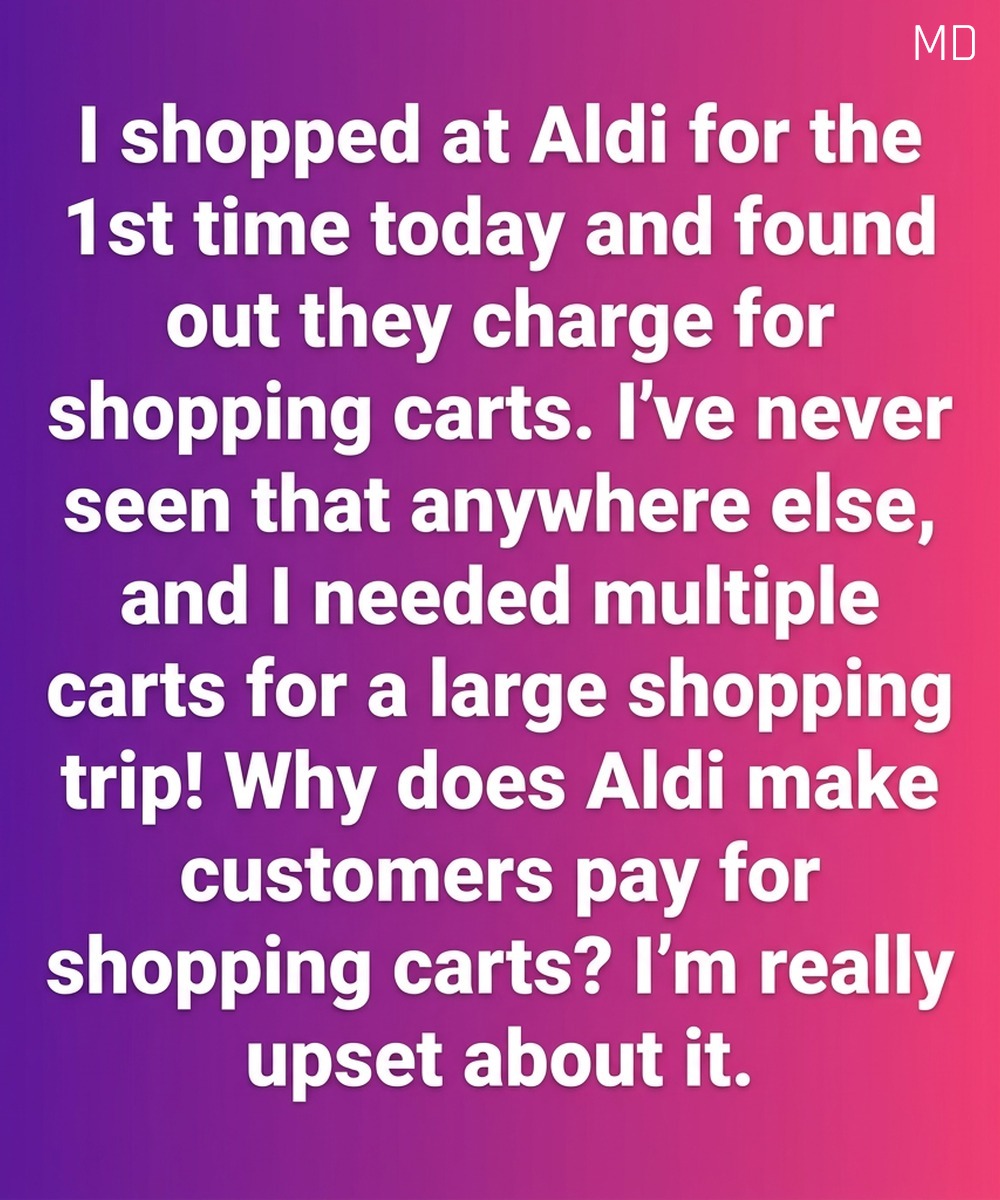
If you've ever visited Aldi, you may have noticed a unique feature right at the entrance. Shopping carts are neatly lined up, but instead of being freely available, customers are asked to insert a small coin, typically a quarter, to unlock one. For first-time shoppers, this can feel a bit unusual. Some might wonder whether it's an extra fee just to use a cart.
In reality, it's not a charge at all. The coin acts as a refundable deposit, which you get back once you return the cart to its proper place. It's one of the cleverest small systems in retail, and understanding it reveals a lot about how Aldi keeps prices so low.
How the System Works
The mechanics are simple. Each cart is chained to the next in a corral near the entrance. To release a cart, you insert a quarter into a locking mechanism on the handle, which frees the chain. When you finish shopping, you wheel the cart back to the corral, reconnect the chain to the row, and the mechanism releases your quarter.
The whole process takes seconds once you've done it a couple of times. Regular Aldi shoppers do it on autopilot, and many keep a dedicated "Aldi quarter" in their car, wallet, or on a keychain token made for exactly this purpose.
A Simple System with Smart Benefits
The idea behind this system is both simple and effective. Instead of relying on store employees to collect carts from the parking lot, Aldi encourages customers to return them on their own. Once you're done shopping, you bring the cart back, connect it to the row, and your coin is released.
This small step creates a helpful incentive. Since shoppers want their coin back, most return their carts, keeping parking areas cleaner and more organized. The benefits cascade:
- Cleaner parking lots: Fewer stray carts means clearer spaces, less clutter, and a tidier storefront.
- Less cart damage: Carts that live in corrals rather than rolling free across asphalt last longer and need fewer repairs.
- Fewer accidents: Runaway carts damage cars, and car damage in parking lots creates liability and unhappy customers. The deposit system nearly eliminates the problem.
- Better cart availability: Because carts cycle back to the corral reliably, there's almost always one ready at the entrance, even during busy periods.
Supporting Efficiency and Lower Prices
This system plays an important role in Aldi's overall business model. By reducing the need for extra staff to gather carts, the store can save on labor costs. These savings are part of how Aldi keeps its prices competitive without compromising product quality.
It's worth appreciating how this fits into Aldi's broader efficiency philosophy. The company is famous for stripping costs out of every corner of the operation:
- Smaller stores with a curated selection rather than endless aisles of duplicate products.
- Products displayed in shipping boxes instead of being individually shelved by staff.
- A barcode system with oversized codes on multiple sides of packaging, so cashiers can scan at remarkable speed.
- The bag-your-own model, where customers bag groceries at a separate counter, keeping checkout lines moving fast.
- Cart deposits, eliminating the labor of cart retrieval.
Each of these choices saves a little. Together, they save a lot, and those savings show up in prices that consistently undercut competitors. The quarter in the cart handle isn't a quirk. It's a business strategy you can hold in your hand.
Where the Idea Came From
The coin-deposit cart system isn't an Aldi invention. It's standard practice across much of Europe, where Aldi originated in Germany. European shoppers have used coin-lock carts for decades, and the system is so normalized there that few people think twice about it.
When Aldi expanded into the United States, it brought the system along, betting that American shoppers would adapt. They did, though the quarter mechanism remains one of the most commented-on features by first-time visitors. It's a small piece of European retail culture that crossed the Atlantic intact.
Some other retailers have experimented with similar systems, but Aldi remains the most prominent American practitioner, and the cart corral has become an iconic part of the Aldi experience.
Tips for First-Time Aldi Shoppers
If the coin system is new to you, a few tips make the first visit smooth:
- Bring a quarter. It's the single most important thing to remember. No quarter, no cart (though you can always shop with a basket or your arms for a small trip).
- Consider a cart key or token: Reusable quarter-sized tokens that attach to a keychain are sold widely and work in the mechanism, so you never have to hunt for change.
- Return the cart to get your deposit back. This is the whole point, and it keeps the system working for everyone.
- Bring your own bags, since Aldi charges for bags and expects you to bag your own groceries.
- Don't be shy about asking. Aldi staff and fellow shoppers are used to guiding newcomers through the system.
What If You Don't Have a Quarter?
It happens to everyone eventually. Options include asking customer service, who can often help, borrowing a cart already in use from a departing shopper (a common informal exchange: they hand you the cart, you hand them a quarter), or simply grabbing a handheld basket for a quick trip. Some shoppers report that fellow customers are remarkably generous about this, yet another small way the system builds community norms.
Frequently Asked Questions
Do I get my quarter back at Aldi?
Yes. It's a fully refundable deposit. Return the cart to the corral and reconnect the chain, and the mechanism releases your coin.
Why doesn't Aldi just let people use carts for free?
The deposit incentivizes customers to return carts themselves, saving labor costs, reducing cart damage and parking lot clutter, and keeping prices low. It's a deliberate part of Aldi's efficiency model.
Can I use something other than a quarter?
The mechanism is sized for a U.S. quarter. Many shoppers use reusable quarter-sized tokens on keychains, which work the same way and eliminate the need to carry change.
Do all Aldi stores use this system?
The vast majority do, in the U.S. and internationally. It's a signature element of the Aldi shopping experience worldwide.
Is Aldi the only store that does this?
No, coin-deposit carts are common in Europe across many retailers. In the U.S., Aldi is the most prominent user, though some other stores have tested similar systems.