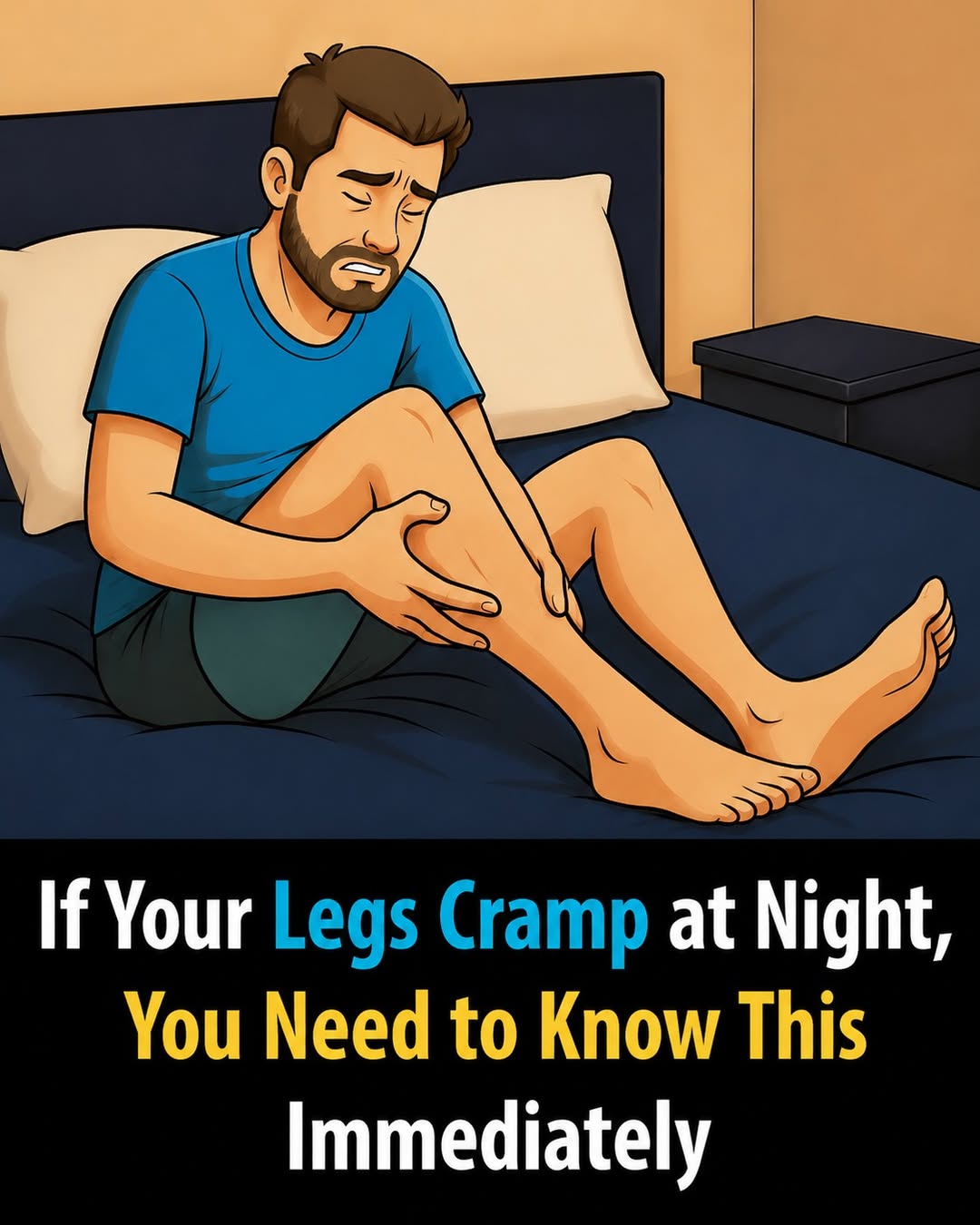
Nighttime leg cramps are a common problem that can interrupt sleep and cause sudden discomfort. Many people wake up with sharp pain in the calves, feet, or thighs, often struggling to move until the muscle relaxes again. While occasional cramps are usually harmless, frequent nighttime muscle spasms may sometimes point to underlying health concerns that deserve attention.
These cramps happen when muscles tighten unexpectedly during rest. The pain may last for several seconds or even a few minutes, and soreness can continue afterward. Although anyone can experience leg cramps at night, they tend to be more common in older adults, pregnant women, athletes, and people with circulation or muscle-related issues.
One possible cause is dehydration. When the body does not get enough fluids, muscles may become more sensitive and prone to tightening. People who sweat heavily, drink too little water, or consume large amounts of caffeine may notice cramps more often during the night.
Low levels of important minerals may also contribute to muscle discomfort. Nutrients such as magnesium, potassium, calcium, and sodium help muscles function properly. When the body lacks these minerals, muscles may contract unexpectedly and cause painful spasms while sleeping.
Poor circulation can also play a role. Sitting for long periods, limited physical activity, or certain circulation problems may reduce healthy blood flow to the legs. In some cases, recurring cramps may be linked to conditions such as diabetes, nerve irritation, kidney issues, or thyroid imbalances. Because of this, ongoing symptoms should not always be ignored.
Some medications may also increase the likelihood of muscle cramps. Certain treatments for blood pressure or cholesterol, as well as medications that affect fluid balance, can sometimes contribute to nighttime discomfort. If cramps begin after starting a new medication, speaking with a healthcare professional may be helpful.
Fortunately, simple lifestyle habits may help reduce nighttime leg cramps. Staying hydrated throughout the day is one of the most effective steps. Gentle stretching before bed may also help relax muscles and improve flexibility. Light walking or simple calf stretches can sometimes reduce tension before sleep.
A balanced diet may also support healthy muscle function. Foods rich in potassium and magnesium, such as bananas, spinach, avocados, yogurt, nuts, and sweet potatoes, are often recommended as part of a healthy eating routine. Regular physical activity may further improve circulation and reduce muscle stiffness.
Sleep position may matter as well. Some experts suggest avoiding tight bedding around the feet and keeping the legs relaxed during sleep. Wearing supportive shoes during the day may also help reduce strain on the muscles.
Although most nighttime leg cramps are not dangerous, medical advice may be important if the cramps become severe, happen frequently, or appear with swelling, weakness, numbness, or changes in skin color. These symptoms may indicate circulation or nerve-related concerns that require professional evaluation.
Nighttime leg cramps can affect both sleep quality and daily comfort. Understanding possible causes and making healthy lifestyle adjustments may help reduce discomfort over time. In many cases, staying hydrated, eating a balanced diet, and maintaining regular movement can make a noticeable difference.
Paying attention to persistent symptoms is important. When cramps continue regularly or interfere with daily life, seeking medical guidance may help identify potential health concerns early and support overall well-being.