
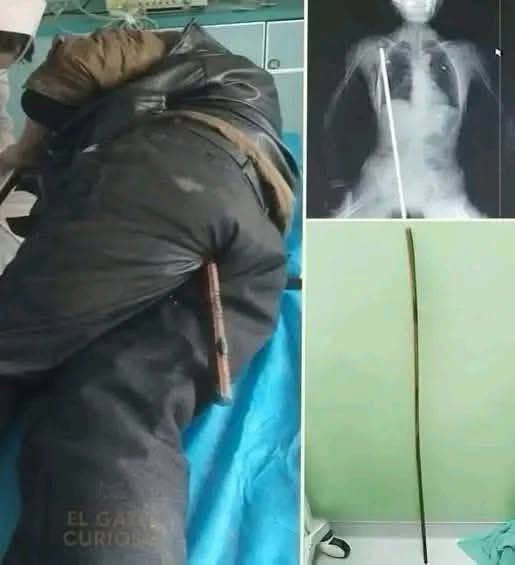
Young Man Hospitalized After Medical Emergency Following Police Custody Incident
A young man was hospitalized after experiencing a medical emergency shortly after being taken into police custody following a disturbance call, according to local authorities.
Officials stated that officers responded to the incident and initially did not observe any signs of a serious medical condition. However, after the individual began showing signs of distress, emergency medical services were requested.
What Authorities Have Said
The man was transported to a nearby hospital, where he was reported to be in stable condition. Medical professionals continue to monitor his condition as authorities gather additional information.
Officials have confirmed that a formal review is underway. Investigators are examining available evidence, including body camera footage, witness accounts, dispatch records, and medical information to better understand the sequence of events.
As the review continues, authorities have stated that additional information will be released when appropriate. This measured pace is standard: premature statements can compromise witness accounts and the integrity of the investigation.
Community Response
The incident has drawn attention from family members and local residents, who have expressed concerns and requested a thorough review of the circumstances surrounding the event.
Community representatives emphasized the importance of transparency and proper procedures whenever a medical emergency occurs while a person is in custody. They noted that clear communication and timely medical care are essential in maintaining public trust.
That trust is fragile in the best circumstances and easily damaged when someone is harmed while under the state's care. When police take a person into custody, they assume responsibility for that person's welfare. The legal concept is sometimes called the duty of care: once liberty is restricted, the restricting authority must ensure basic needs, including medical needs, are met.
Why In-Custody Medical Emergencies Demand Special Attention
The case has prompted broader discussions about detainee welfare, officer training, and the importance of recognizing medical emergencies during law enforcement interactions. These discussions reflect well-documented challenges.
Medical emergencies in custody are particularly dangerous for several reasons:
- Symptoms can be misread. Distress can look like intoxication, noncompliance, or agitation. Someone experiencing a medical crisis may be unable to communicate what's wrong.
- Underlying conditions are often unknown. Officers typically don't know a detainee's medical history: heart conditions, diabetes, epilepsy, mental health crises, or drug interactions.
- Restraint complicates assessment. Physical restraint can mask symptoms and, in some cases, worsen medical distress.
- Time matters enormously. Delays in recognizing an emergency and calling for medical help can be the difference between recovery and tragedy.
- Excited delirium and positional risks. Certain states of extreme agitation carry elevated risk of sudden medical collapse, making rapid professional assessment critical.
Many experts emphasize that ongoing training and established protocols can help ensure appropriate responses in situations involving health concerns. When in doubt, the standard should always be to call for medical evaluation. A false alarm costs little. A missed emergency can cost everything.
What a Thorough Review Typically Examines
The formal review now underway will likely address several key questions:
- Timeline. When did officers arrive? When were signs of distress first observed? How quickly was EMS requested? Minutes matter, and the timeline will be reconstructed precisely.
- Observations. What did officers see and document? Body camera footage, if available, will be central.
- Decision points. At each stage, were reasonable judgments made based on what was known at the time?
- Medical factors. What caused the emergency? Was it foreseeable? Would earlier intervention have changed the outcome?
- Policy compliance. Did the response follow department protocols for medical emergencies in custody?
- Training. Were the involved officers current on relevant training for recognizing medical distress?
Investigators are examining body camera footage, witness accounts, dispatch records, and medical information. Each source fills gaps the others leave. Footage shows what happened. Dispatch records show when. Medical information explains why. Witness accounts add perspective.
The Broader Conversation
Incidents like this one feed into ongoing national discussions about policing and public health. Reform advocates argue for changes including:
- Enhanced medical training for all officers, with regular refreshers
- Clearer protocols mandating EMS calls when detainees show any signs of distress
- Better coordination between law enforcement and mental health crisis teams
- Independent review of in-custody injuries and deaths
- Transparency requirements for timely public reporting
Law enforcement leaders often agree on the training and protocol points while emphasizing the genuine difficulty of these encounters: officers must make rapid judgments with incomplete information, sometimes involving individuals who are uncooperative or impaired.
Both perspectives contain truth. The work ahead is building systems that protect both officers and the people in their custody, recognizing that these goals are complementary, not competing.
What Comes Next
As authorities have stated, additional information will be released when appropriate. The young man remains hospitalized in stable condition under medical monitoring. His family and community await answers.
Whatever the review concludes, the incident underscores a principle that should need no debate: when the state takes away someone's freedom, even temporarily, it takes on their safety too. How that responsibility is handled, in the minutes when it matters most, defines the relationship between law enforcement and the communities they serve.
Frequently Asked Questions
What happened in this incident?
A young man experienced a medical emergency shortly after being taken into police custody following a disturbance call. Officers initially saw no serious medical signs, but requested EMS when distress became apparent. He was hospitalized in stable condition.
What is the status of the investigation?
A formal review is underway, examining body camera footage, witness accounts, dispatch records, and medical information. Authorities say more details will be released when appropriate.
Why are in-custody medical emergencies especially concerning?
Because the person cannot seek help independently, symptoms are easily misread, underlying conditions are usually unknown, and delays in care can be fatal. The detaining authority bears responsibility for the person's welfare.
What do experts recommend?
Ongoing officer training in recognizing medical emergencies, clear protocols requiring EMS calls when distress is observed, and independent review of in-custody medical incidents.
What has the community asked for?
Transparency, proper procedures, clear communication, timely medical care, and a thorough review, emphasizing that these are essential to maintaining public trust.

