For many households, few things are more irritating than the high-pitched buzz of a mosquito in the middle of the night or the sight of a fly circling the kitchen table during a meal. Cockroaches, with their sudden appearances and unsettling movements, often provoke an even stronger reaction. These unwelcome visitors disrupt comfort and peace, turning ordinary moments at home into sources of stress and frustration.
Beyond annoyance, insects also introduce genuine health concerns. Mosquitoes can carry illnesses, flies may spread bacteria, and cockroaches are known to contaminate surfaces and food. As people grow older, maintaining a calm, clean, and healthy living environment becomes increasingly important. Many individuals look for solutions that protect their homes without filling the air with strong chemical odors or relying on costly extermination services. The encouraging news is that effective pest control can often begin with simple items already sitting in the kitchen.
Natural approaches to insect control appeal to those seeking safer, affordable options that support long-term well-being. With a few basic ingredients and easy steps, it is possible to reduce unwanted pests while keeping indoor spaces comfortable for family members, pets, and visitors alike. Below are three practical, all-natural methods that many people have found helpful when dealing with common household insects.
A Simple Homemade Mosquito Trap
Mosquitoes can quickly turn warm evenings into restless nights. Their persistence and potential health risks motivate many homeowners to seek gentle solutions that work quietly in the background. One effective option involves creating a homemade mosquito trap using a recycled plastic bottle and a handful of pantry staples.
To prepare this trap, sugar is dissolved into hot water, followed by the addition of baking powder. The mixture is then poured into the bottom portion of a plastic bottle that has been cut near the top. The upper section of the bottle is inverted and placed back inside, forming a funnel shape. When positioned near windows, doors, or outdoor sitting areas, the sweet scent draws mosquitoes inward. Once inside, the structure of the trap makes escape difficult.
This approach supports mosquito control without releasing harsh sprays into the air. It works quietly and steadily, making it suitable for homes with children, pets, or individuals sensitive to strong fragrances.
Bay Leaf and Clove Spray for Roaches and Flies
Kitchens and storage areas often attract flies and cockroaches due to warmth and food sources. Instead of relying on chemical-based sprays, many people turn to a natural mixture made from bay leaves and cloves.
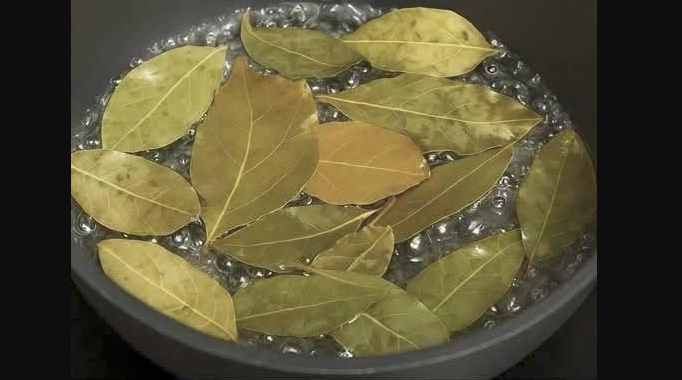
The process begins by simmering dried bay leaves and whole cloves in water, allowing their natural oils to infuse into the liquid. After cooling, the mixture is strained and poured into a spray bottle. When applied around sinks, trash bins, cabinets, and entry points, the aroma discourages insects from lingering.
The scent remains pleasant for people while signaling insects to move elsewhere. This spray can be used regularly without leaving residue or affecting food preparation areas, making it a practical choice for everyday maintenance.
A Multi-Purpose Natural Insect Spray
For those seeking a single solution that addresses multiple types of insects, a blended spray made from shampoo, vegetable oil, and white vinegar offers broad support. When combined and shaken well, these ingredients create a mixture that can be applied along window frames, doorways, baseboards, and hidden corners.
Each component plays a role: vinegar helps deter insects, oil creates a surface that insects avoid, and shampoo allows the mixture to spread evenly. The result is a clean-smelling spray that supports a more comfortable living space without introducing harsh fumes.
Why Natural Pest Solutions Appeal to Many Households
Natural pest control methods offer several advantages. They support health by reducing exposure to strong chemicals, an important consideration for older adults and anyone with sensitivities. They also remain budget-conscious, relying on items that are often already available at home. Preparation is straightforward, and regular use can discourage insects from returning over time.
Environmental awareness also plays a role. Using household ingredients reduces the introduction of unnecessary toxins into indoor spaces and surrounding ecosystems. These methods align well with a lifestyle focused on balance, simplicity, and long-term comfort.
Supporting Pest Control With Everyday Habits
Natural remedies work best when paired with consistent household routines. Cleaning spills promptly, sealing food containers, taking out trash regularly, and avoiding standing water all reduce the conditions insects seek. Sweeping, vacuuming, and wiping down surfaces help maintain an environment that feels welcoming to people and unappealing to pests.
Creating a Calm, Comfortable Home
A peaceful home supports rest, health, and enjoyment of daily life. With simple ingredients and mindful habits, it is possible to reduce insect problems while maintaining a safe and pleasant atmosphere. These natural approaches allow homeowners to regain control without stress, strong chemicals, or unnecessary expense.
By using gentle, effective solutions and maintaining thoughtful routines, many people find they can sleep more easily, relax more fully, and enjoy their living spaces with greater confidence—free from unwanted buzzing, crawling interruptions.