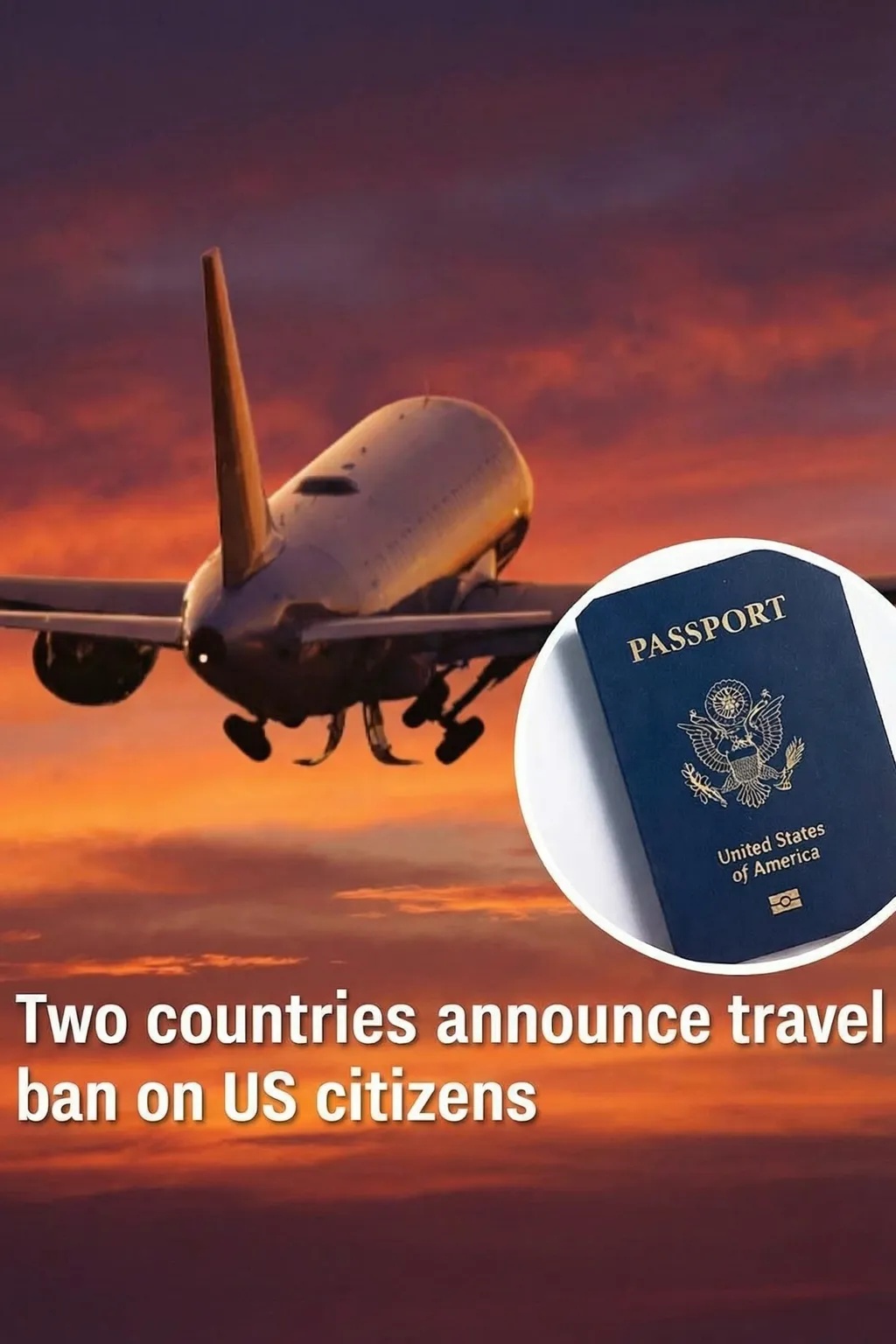
Recent changes to travel policies in parts of West Africa have brought new attention to entry requirements for American passport holders. Officials say the adjustments reflect ongoing discussions about fairness, diplomacy, and how countries manage international travel policies.
Niger Temporarily Suspends Visa Issuance
The government of Niger recently announced that it has temporarily suspended the issuance of visas for U.S. citizens. According to officials, the decision was made in response to travel restrictions placed on certain Nigerien officials by the United States following political developments in the country.
Leaders in Niger described the measure as a reciprocal step aimed at promoting equal treatment between nations. Authorities emphasized that the move was intended to address diplomatic concerns rather than create conflict.
Entry Procedures in Mali and Burkina Faso
Travel conditions in neighboring Sahel countries have also become more complex. In Mali and Burkina Faso, visa applications and entry procedures may involve additional review or longer processing times.
While travelers have reported stricter procedures and delays, these countries have not officially announced permanent bans on U.S. citizens. Instead, entry decisions may vary depending on current security considerations and administrative reviews.
Different Perspectives on Travel Policies
From the U.S. government’s perspective, visa and travel policies are generally described as administrative measures connected to security standards, governance considerations, and international regulations.
However, some leaders in West Africa have expressed concerns that mobility restrictions can create challenges for their citizens and may contribute to perceptions of unequal access in global travel systems.
These differing viewpoints highlight how travel policies can be interpreted differently depending on political context and historical relationships.
Impact on Travelers and International Cooperation
Changes in travel policies can affect more than government relations. Students, researchers, aid workers, and families may experience delays or uncertainty when entry requirements change.
Organizations involved in humanitarian or development work may also face logistical challenges, particularly in regions where international collaboration is important.