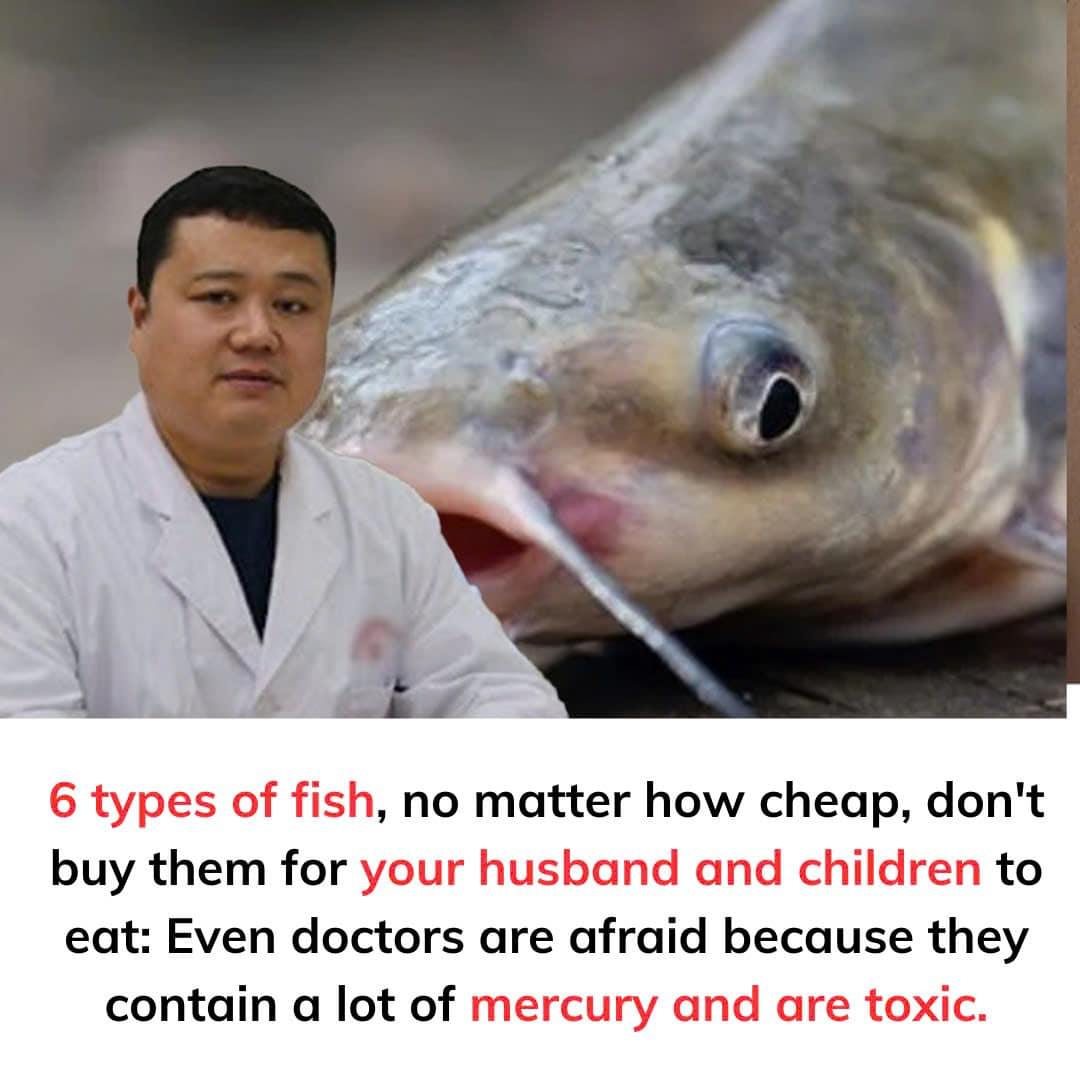
Fish is widely known as a nutritious food, rich in protein, healthy fats, and essential vitamins. However, not all fish are equal in terms of quality and safety. Understanding which types to consume in moderation can help you make more informed choices for your family’s diet.
1. Farmed Salmon
Salmon is often praised for its high content of omega-3 fatty acids. However, some farmed salmon may be raised on processed feed designed to accelerate growth. This can lead to higher levels of fat and calories compared to wild salmon.
In certain cases, poor farming conditions may also increase the risk of exposure to environmental contaminants. Choosing responsibly sourced salmon can help reduce these concerns.
2. Tuna
Tuna is a popular fish packed with nutrients like vitamin D, iron, and omega-3 fatty acids. However, it may also contain higher levels of mercury compared to many other fish.
Health experts generally recommend enjoying tuna in moderation, especially for children and pregnant women, to avoid excessive mercury intake.
3. High-Fat Salmon Varieties
While salmon is nutritious, some varieties can contain higher levels of saturated fat. Consuming large amounts regularly may contribute to increased cholesterol levels.
Balancing salmon intake with other lean protein sources is a good approach for maintaining a healthy diet.
4. Sea Bass
Sea bass is a flavorful and widely enjoyed fish, but it can also contain moderate to high levels of mercury depending on its source.
It’s best to consume sea bass occasionally and in controlled portions, particularly for younger individuals.
5. Large Predatory Fish
Certain large ocean fish tend to accumulate more mercury over time due to their position in the food chain. Regular consumption of these fish may increase exposure to methylmercury.
Including a variety of smaller fish in your diet can help minimize this risk while still providing important nutrients.
6. Farm-Raised Catfish
Catfish is an affordable and accessible option, but in some cases, farming practices may involve the use of growth-enhancing feeds or additives.
To ensure better quality, consider purchasing catfish from trusted sources that follow safe and regulated farming standards.
Final Thoughts
Fish can be a valuable part of a balanced diet, offering many health benefits. The key is to choose wisely, vary your selections, and consume certain types in moderation. Opting for high-quality, responsibly sourced fish helps support both your health and overall food safety.