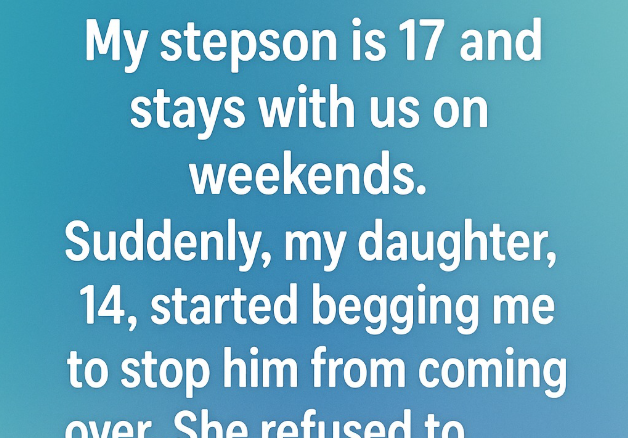
A Hidden Connection Between My Daughter and Stepson
Family life often comes with unexpected lessons. My 17-year-old stepson usually spends weekends at our home. Recently, however, my 14-year-old daughter began insisting that I stop his visits. She never explained why, and her silence worried me. What I discovered when I finally understood the truth changed how I see both of my children, and what it really means to feel safe in a family.
The Request That Didn't Make Sense
When your teenager asks you to keep someone away, you listen. My daughter's insistence that my stepson stop coming on weekends set off every parental alarm I had. Was something wrong between them? Had he hurt her? Was she in some kind of trouble she couldn't name?
She never explained why. She just kept asking, with a urgency that grew each time. And her silence worried me more than any accusation could have. Parents learn to fear the things children won't say far more than the things they will.
I did what any worried parent would do. I watched. I waited. And one afternoon, while tidying up his room, I stumbled onto the answer in the last place I expected.
The Box Under the Socks
While tidying my stepson's room, I noticed a strange stack of socks near his bed. Curious, I moved them aside and discovered a small box hidden beneath. Inside were neatly folded letters, every single one written in my daughter's handwriting.
As I read, my heart tightened. Each letter revealed her fears, her school struggles, and her feelings of being invisible at home. Page after page of a 14-year-old's inner world, honest in the way only writing meant for one trusted reader can be. But what struck me most was that every note was addressed to her stepbrother. Instead of coming to me or her father, she had chosen him as her safe place.
I stood there holding her secrets, feeling like an intruder and a failure at the same time. My daughter was drowning in feelings she couldn't share with her own parents, and the person she trusted most was the boy I had almost barred from our home.
Understanding the Real Reason
Suddenly, her unusual behavior made sense. She hadn't wanted him around, not out of fear, but out of embarrassment. He knew her deepest thoughts, the ones she hadn't been able to share with anyone else. She was afraid her private world might be revealed.
Think about it from her perspective. At 14, privacy feels like survival. She had handed her stepbrother the most vulnerable parts of herself, probably never imagining her parent would find the letters. Every weekend visit became a risk: what if someone found out? What if he mentioned something? What if the safe place stopped being safe? Pushing him away wasn't rejection. It was protection, of herself and of the fragile trust they had built.
This is the part that humbled me most. I had been prepared for a story about conflict. The real story was about closeness so deep it scared her.
The Conversation That Changed Everything
That evening, I sat them both down. My daughter's eyes filled with tears, her face flushed with shame. She thought she was in trouble. She thought her private world was about to be used against her.
But before I could speak, my stepson gently reassured her. He told her that her letters were safe with him, that he had never shown them to anyone and never would, and that being trusted with her thoughts meant everything to him. He wasn't angry that I'd found them. He was worried about her.
In that moment, I realized his presence wasn't a burden. It was a comfort. What my daughter needed wasn't distance. It was understanding and empathy, and she had already found it in the last person I suspected.
The Promise We Made
Together, we made a promise that night: no more hidden letters, no more secrets buried away. Instead, we would create a home where every fear, every joy, and every challenge could be shared without judgment.
That promise was really three promises in one. To my daughter: you don't have to hide here. To my stepson: thank you for being the person she needed, and you are truly part of this family. To myself: pay closer attention, judge less quickly, and remember that children's behavior always has a reason, even when they can't articulate it.
Why Teenagers Confide in Siblings Instead of Parents
My daughter's choice is incredibly common, and understanding why can help every parent in a blended family.
- Less power imbalance. A stepbrother doesn't set rules or give punishments. He's a peer, which makes honesty feel safer.
- No disappointment to manage. Teenagers often hide struggles from parents partly to protect the parents' feelings.
- Shared experience. Step-siblings in blended families understand the weirdness of the situation in a way parents can't fully grasp.
- Writing feels safer than speaking. Letters let her organize her thoughts without the pressure of a face to face conversation.
- Chosen trust. She picked him. That agency matters enormously to a teenager.
None of this means parents have failed. It means teenagers need multiple safe people, and sometimes the safest person isn't the one with the most authority.
Lessons for Blended Families
- Don't assume conflict. Unusual behavior between step-siblings can signal closeness, not trouble.
- Respect privacy, even when you're worried. I found the letters by accident while tidying. Snooping deliberately would have destroyed the very trust I wanted to build.
- Honor the confidant. My stepson kept her secrets. That loyalty deserved recognition, not suspicion.
- Make home the safe place. The goal isn't to replace the stepbrother as confidant. It's to become someone she can also trust.
- Talk about the unsaid. Our family promise worked because we named what had been hidden and chose openness together.
Frequently Asked Questions
Why did the daughter want her stepbrother to stop visiting?
Not from fear or conflict, but embarrassment. He knew her deepest thoughts through her letters, and she was afraid her private world might be exposed during his visits.
What was in the hidden box?
Neatly folded letters in the daughter's handwriting, describing her fears, school struggles, and feelings of being invisible at home, all addressed to her stepbrother.
How did the stepson react when confronted?
With gentleness. He reassured his stepsister that her letters were safe, that he had never shared them, and that her trust meant everything to him.
What promise did the family make?
No more hidden letters or buried secrets. They committed to creating a home where every fear, joy, and challenge could be shared without judgment.
Is it normal for teens to confide in siblings over parents?
Yes, very normal. Siblings offer peer level trust without parental authority or disappointment, making them natural confidants for teenagers navigating difficult feelings.