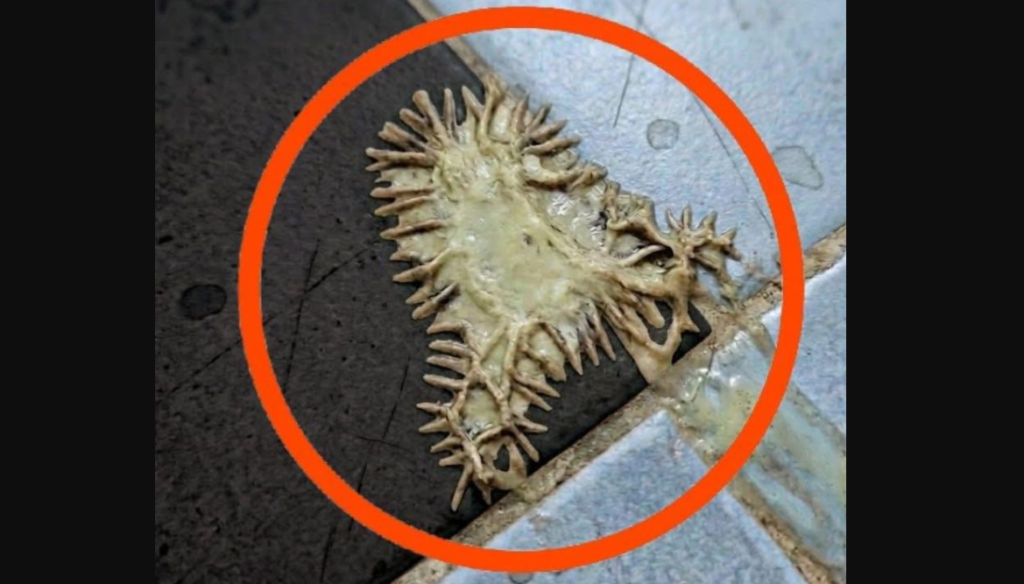
A Mysterious Spot on the Bathroom Floor: What It Turned Out to Be
It started as something small and unexpected. One evening, my girlfriend and I noticed an unusual spot on the bathroom floor. It sat quietly on the cold tiles, completely out of place. At first glance, it looked like a damp, shapeless patch, something that did not belong in an otherwise clean and well-kept space. We found ourselves staring at it longer than expected, trying to figure out what it could be.
The Spiral of Speculation
The more we looked, the more questions we had. It did not match anything we recognized, which made it feel more concerning than it probably was. Naturally, we began guessing. Could it be mold? Some kind of residue? Maybe something tracked in without us noticing?
With each possibility, our curiosity grew, and so did a slight sense of unease. It is interesting how quickly the mind can jump to worst-case scenarios when there is no clear explanation. At one point, we even considered whether it could be related to moisture or hidden damage. Bathrooms are known for humidity, after all, and small issues can sometimes point to bigger underlying problems.
Even though we tried to stay rational, the uncertainty made the situation feel more serious than it likely was. In reality, the main issue was not the spot itself. It was simply not knowing what it was. When there is a lack of clear information, it is easy for assumptions to take over.
Why Bathrooms Trigger This Anxiety
Bathrooms occupy a unique place in household psychology. They are the wettest rooms in the house, the most prone to hidden problems, and the hardest to fully inspect. Behind every tile lurks the possibility of what homeowners fear most: water damage, mold colonies, plumbing failures.
This means any unexplained bathroom phenomenon gets filtered through a lens of worst cases:
- Mold. The great modern household fear, associated with health problems and expensive remediation.
- Water damage. A small spot might signal a leaking pipe inside the wall, the kind of problem that compounds silently.
- Sewage issues. The bathroom's connection to waste systems makes any unknown substance feel potentially unsanitary.
- Pest evidence. Droppings, nesting material, or the traces of unwelcome visitors.
None of these applied to our spot. But the fact that they sprang to mind so readily says everything about how bathrooms prime us for anxiety.
Taking a Closer Look
After taking a closer look and doing a bit of research, we began to narrow it down. The spot's characteristics told a story for those willing to read it carefully:
- Texture. It was not fuzzy like mold or gritty like mineral deposits. It had a smooth, slightly sticky quality.
- Color. No dark staining that would suggest long-term moisture, no green or black that would indicate mold growth.
- Location. It sat in the open, not along grout lines or near fixtures where leaks typically manifest.
- Smell. Nothing. And in bathroom mysteries, the absence of odor is meaningful information.
Working through these observations systematically, the dramatic theories fell away one by one. What remained was mundane, which is usually where the truth lives.
The Answer
The mysterious spot turned out to be residue from a bath product, a combination of a bath oil and conditioner that had dripped, spread thin across the tile, and partially dried into an unfamiliar-looking patch. The damp appearance came from the oil content. The shapelessness came from how it had spread. The reason we did not recognize it was simple: we had never seen these particular products interact with tile before.
We laughed, cleaned it up in about thirty seconds, and felt slightly foolish for the twenty minutes of speculation that had preceded it. But the foolishness was instructive.
What the Spot Taught Us
The real story was never about the spot. It was about the gap between observation and explanation, and what the human mind does in that gap:
- Uncertainty amplifies concern. The spot itself was harmless. Not knowing that made it feel significant.
- Context drives interpretation. The same patch on a kitchen counter would have prompted less anxiety. The bathroom setting loaded it with meaning.
- Systematic observation beats speculation. Texture, color, location, and smell eliminated the scary theories faster than worry ever could.
- Research helps, but observation comes first. Looking closely gave us more information than any search engine could.
- It is okay to laugh afterward. The ability to feel foolish about an overreaction is a sign of a healthy perspective, not a flawed one.
A Practical Guide to Bathroom Spots
For anyone facing their own mysterious bathroom phenomenon, here is a grounded approach:
- Observe before worrying. Note color, texture, smell, and exact location.
- Consider recent activity. New products, recent cleaning, houseguests, all provide context.
- Check the common culprits. Product residue, hard water deposits, condensation, and tracked-in dirt account for the vast majority of mystery spots.
- Know the real warning signs. Spots that grow, darken, smell musty, or appear near plumbing fixtures deserve professional attention.
- When in doubt, clean it and watch. If it does not return, it was transient. If it does, you have new data.
Most bathroom mysteries resolve into something ordinary. The ones that do not announce themselves more clearly: spreading discoloration, persistent dampness, musty odors. A lone, static, odorless patch is almost always exactly what it looks like once you know what it is. Residue.
Frequently Asked Questions
What was the mysterious spot on the bathroom floor?
Residue from bath products, specifically a combination of bath oil and conditioner that had dripped onto the tile and partially dried into an unfamiliar-looking patch.
Why did it cause so much concern?
Bathrooms prime people to fear mold, water damage, and plumbing problems, so any unexplained phenomenon gets interpreted through worst-case scenarios. The real issue was uncertainty, not the spot itself.
How can I identify an unknown spot in my bathroom?
Observe its color, texture, smell, and location systematically, consider recent activities and products, and rule out dramatic theories with evidence before worrying.
When should a bathroom spot worry me?
If it grows, darkens, smells musty, feels persistently damp, or appears near plumbing fixtures, consult a professional. A static, odorless patch is usually harmless residue.