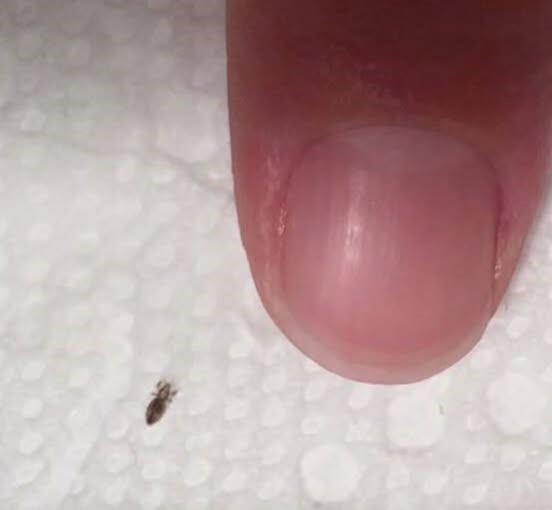
Finding a small bug in your child’s hair can be unsettling, especially after a day at daycare. Many parents immediately worry about head lice, a common issue among young children. While that concern is understandable, not every insect found in hair is a cause for alarm. Taking a calm, informed approach can help you determine whether action is needed.
Head lice are tiny parasites that live on the scalp and feed on blood. They are most common in preschool and elementary-aged children, largely because of close contact during play and group activities. These insects are typically small, oval-shaped, and light brown or grayish in color. Their eggs, known as nits, attach firmly to hair strands near the scalp and don’t fall off easily like dandruff.
However, a single bug found in a child’s hair doesn’t automatically mean lice. In many cases, it could be a harmless insect picked up from the environment. Daycares often include both indoor and outdoor play areas, which can expose children to small bugs from carpets, soil, or plants. These insects may briefly land on hair but do not live or reproduce there.
To better understand the situation, it’s helpful to look for additional signs. If your child has persistent itching, visible nits near the scalp, or more bugs appearing during inspection, lice may be more likely. On the other hand, if there are no symptoms and only one insect was found, it may simply be an isolated occurrence.
A practical next step is to carefully check your child’s hair under good lighting. Using a fine-toothed lice comb on damp hair can help you spot any additional insects or eggs. This method is safe, simple, and effective for both checking and removing potential lice.
If lice are confirmed, treatment is usually straightforward. Over-the-counter products are widely available and effective when used as directed. Some parents prefer manual removal using a lice comb, especially for younger children. Washing bedding, clothing, and recently used items in hot water can help prevent reinfestation. There’s no need for excessive cleaning or use of harsh chemicals in the home.
It’s also important to remember that lice are not linked to poor hygiene. They spread mainly through direct head-to-head contact, which is common among children. Health experts generally consider lice more of a nuisance than a serious health issue, and children can usually return to daycare shortly after treatment begins.
For added peace of mind, you may want to inform the daycare so they can monitor for similar cases and notify other parents if necessary. Open communication helps prevent larger outbreaks while avoiding unnecessary concern.
In most situations, discovering a small bug in your child’s hair is not a reason to panic. A careful check, basic hygiene, and awareness of symptoms are usually enough to handle the situation effectively. By staying informed and calm, parents can ensure their child stays comfortable, healthy, and able to enjoy their daily routine without disruption.