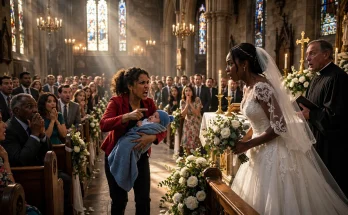
A Wedding Day Surprise That No One Saw Coming
Weddings are often described as the most magical day of a couple's life. Brides and grooms spend months, or even years, planning every detail, hoping everything will go perfectly. For Samantha, her wedding day was meant to be just that: flawless. She had chosen the flowers, the dress, the music, and even the seating chart with meticulous care.
On the morning of her big day, Samantha woke up with excitement and a touch of nervousness, eager to finally say "I do" to Alex, the love of her life. But when she arrived at the venue, her heart sank. The entire place was empty. No guests, no family, and not even Alex were there to greet her.
Panic in a Wedding Gown
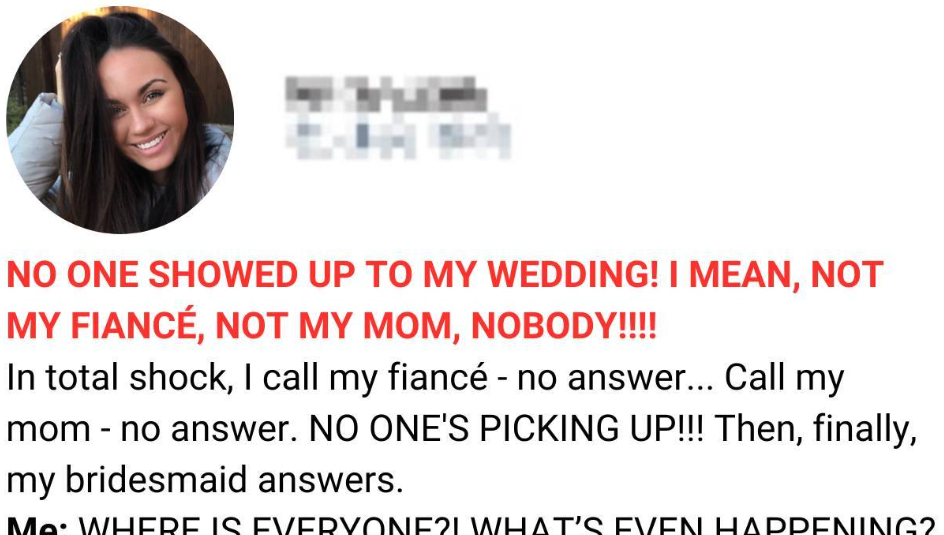
Standing alone in her gown in a silent, empty hall, confusion quickly turned into panic. Had she gotten the date wrong? The time? Had something terrible happened? She frantically began calling everyone she could think of: first Alex, then her mother, and then her bridesmaids. But no one answered.
Each unanswered call tightened the knot in her stomach. Wedding day anxiety is normal, but this was something else entirely. This was the specific nightmare every bride secretly fears: being stood up at the altar, except there wasn't even an altar, because there wasn't anyone there at all.
Just when she felt completely alone, her phone finally buzzed. It was Sarah, one of her bridesmaids.
"Where is everyone? What is going on?" Samantha cried.
After a pause, Sarah responded with tension in her voice: "Don't call me again. We're all at the ceremony, and no one's waiting for you there…"
Samantha froze. What ceremony? She was already at the venue. Wasn't she?
The Truth Revealed
Moments later, her mother got on the line and explained the shocking truth. The original location had developed an unexpected problem, and with hours ticking down, the entire wedding party had made an emergency decision: move everything to a new venue across town.
In the chaos of relocating flowers, guests, musicians, and a groom, one critical notification had failed. Samantha herself had not been told. Everyone assumed someone else had called the bride. It was the kind of cascading miscommunication that sounds impossible until you have organized a large event under pressure.
Relief crashed over her like a wave, followed quickly by disbelief, then laughter, then tears. Her wedding wasn't canceled. Her fiance hadn't left her. The celebration was happening right now, just somewhere else.
The Race Across Town
What followed was the stuff of romantic comedy legend. Still in her gown, Samantha gathered herself, got into a car, and raced across town to the new venue, calling ahead so Alex would know she was coming. Guests who had been whispering worriedly about the missing bride erupted when she finally walked through the doors.
By all accounts, the ceremony that followed was more joyful for the chaos that preceded it. The tension broke into laughter, the laughter into tears, and the whole room shared a story they would retell for decades. Samantha and Alex said their vows, married not just in the venue they had planned but in a moment that felt, somehow, more theirs than any perfect plan could have been.
Why Wedding Day Disasters Become the Best Stories
Ask any married couple about their wedding and listen carefully. The couples with flawless, on-schedule ceremonies often struggle to recall details. The couples who survived disasters, the collapsed cake, the power outage, the missing bride, tell their stories with sparkling eyes decades later.
Psychologists have an explanation. Shared adversity, even mild and ultimately harmless adversity, bonds people. Overcoming a crisis together creates a narrative of teamwork that becomes part of a couple's founding mythology. "Remember when…" is the glue of long relationships, and nothing generates "remember when" material like a wedding day gone sideways.
There is also the matter of perspective. On the wedding day itself, a venue change feels catastrophic. Ten years later, it is the funniest part of the story. Time converts stress into comedy with remarkable reliability, provided the outcome is happy.
Lessons for Anyone Planning a Wedding
Samantha's story offers genuinely useful takeaways for couples in the planning stages:
- Designate a communication captain: One person, not the couple, should own the master contact list and emergency communications. The "someone else called her" failure is preventable with a single clear owner.
- Have a plan B for the venue: Know your alternatives in advance. A backup location, even an imperfect one, beats improvising under pressure.
- Build buffer time into the day: Tight schedules turn small problems into crises. Breathing room turns them into anecdotes.
- Keep the couple in the loop no matter what: It sounds obvious, but in a crisis, inform the bride and groom first, even before solving the problem. They can handle bad news; they cannot handle silence.
- Hire or appoint a day-of coordinator: Having one calm, experienced person running logistics frees everyone else, especially the couple, to actually experience the day.
The Surprise Nobody Saw Coming, Including the Bride
In the end, Samantha got her flawless wedding day, just not the flawless she had planned. She got something better: a story, a laugh, a reminder that the marriage matters more than the event, and proof, delivered in the most dramatic way possible, that when things go wrong, her people show up.
She had planned for perfection. She got something more memorable instead.
Frequently Asked Questions
What actually happened at Samantha's wedding?
The original venue developed an unexpected problem on the wedding day, so the wedding party relocated everything to a new venue across town. In the chaos, nobody informed the bride, who arrived at the empty original venue before learning the truth and rushing to the new location.
How common are last-minute wedding venue changes?
They are rare but not unheard of. Venue emergencies, from flooding and power failures to double bookings and sudden closures, force a small percentage of couples to relocate, which is why wedding insurance and backup plans exist.
What is wedding day-of coordination?
A day-of coordinator is a professional (or designated experienced friend) who manages vendors, timelines, and emergencies on the wedding day itself, allowing the couple and families to be present rather than problem-solving.
Should couples get wedding insurance?
For significant investments, many planners recommend it. Wedding insurance can cover losses from vendor failures, venue problems, extreme weather, and other disruptions, though policies vary in what they include.
How can couples prevent communication breakdowns like this one?
Create a single shared contact sheet, designate one non-couple point person for emergency decisions, use a group messaging thread for the wedding party, and establish a rule: the couple is always informed first when plans change.