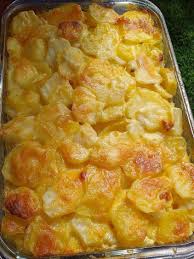
Creamy Homemade Scalloped Potatoes: The Ultimate Comfort Food Recipe
Few dishes bring as much warmth and nostalgia to the table as scalloped potatoes. With layers of tender potatoes baked in a rich, creamy, and cheesy sauce, this comfort food classic is the perfect side dish for family dinners, holiday gatherings, or simply when you want something hearty and satisfying.
This recipe walks you through the method step by step: a silky homemade sauce, even layers of potato, and a golden bubbling top. It takes a little time in the oven, but almost none of it is hands-on, and the result is worth every minute.
A note on scalloped vs. au gratin potatoes
The terms are often used interchangeably, but there is a traditional distinction. Classic scalloped potatoes are sliced potatoes baked in a simple cream or milk sauce, without cheese. Potatoes au gratin are the cheesy version, finished with a browned cheese crust. This recipe is technically a gratin-style dish, with a creamy sauce and plenty of melted cheddar. Whatever you call it, it is the version most people picture when they think of comfort-food potatoes.
Choosing the right potatoes
The best potatoes for this dish are waxy or all-purpose varieties that hold their shape during the long bake. Yukon Gold is the classic choice: it stays tender and creamy without falling apart. Russets also work and give a fluffier texture, though they can break down slightly at the edges. Avoid very waxy new potatoes, which can stay oddly firm.
Slicing evenly is the single most important technique in this recipe. Aim for slices about 3 mm (1/8 inch) thick. A mandoline slicer is the easiest way to achieve this, but a sharp knife and a steady hand work fine. Uneven slices mean some pieces will be mushy while others are still crunchy, so take your time here.
Ingredients
For a 9×13 inch (23×33 cm) baking dish, serving 8 to 10:
- 1.2 kg (about 2.5 lbs) Yukon Gold or russet potatoes, peeled and thinly sliced
- 4 tablespoons butter, plus extra for greasing the dish
- 1/4 cup (30 g) all-purpose flour
- 2 cups (480 ml) whole milk, warmed
- 1 cup (240 ml) heavy cream
- 2 cups (about 200 g) shredded sharp cheddar cheese, divided
- 1 teaspoon salt, plus more to taste
- 1/2 teaspoon freshly ground black pepper
- 1/2 teaspoon garlic powder (or 2 fresh garlic cloves, minced)
- Pinch of freshly grated nutmeg (optional)
- 1/4 cup grated Parmesan (optional, for the top)
Step-by-step instructions
- Preheat and prepare the dish. Heat the oven to 190°C (375°F). Butter a 9×13 inch baking dish generously, including the corners, to prevent sticking.
- Make the roux. In a medium saucepan, melt the 4 tablespoons of butter over medium heat. Whisk in the flour to form a smooth paste and cook for about 1 minute, stirring constantly, to remove the raw flour taste.
- Build the sauce. Gradually pour in the warm milk, whisking continuously to avoid lumps. Add the cream, then bring the mixture to a gentle simmer, whisking until it thickens into a silky sauce, about 3 to 4 minutes. Stir in the salt, pepper, garlic powder, and nutmeg. Remove from the heat and stir in half of the cheddar until melted and smooth. Taste and adjust the seasoning.
- Layer the potatoes and sauce. Arrange half of the potato slices in an even layer on the bottom of the baking dish, overlapping them slightly. Pour half of the sauce over them, making sure every slice is coated. Repeat with the remaining potatoes and sauce. Press gently so the layers settle, then sprinkle the top with the remaining cheddar and the Parmesan if using.
- Bake covered. Cover the dish tightly with foil and bake for 30 minutes. The foil traps steam and helps the potatoes cook through without the top burning.
- Bake uncovered. Remove the foil and continue baking for 25 to 30 minutes more, until the top is golden brown and bubbling and the potatoes are tender when pierced with a fork.
- Rest before serving. Let the dish rest for at least 10 minutes before serving. This step matters: it allows the sauce to set and the flavors to come together. Cutting in too early gives you a runny, loose dish.
Total time: about 1 hour 20 minutes, including resting.
Tips for perfect scalloped potatoes
- Slice thin and even. This is non-negotiable. Thick slices will not cook through in the given time; thin, even slices bake into a cohesive, tender dish.
- Do not rinse the sliced potatoes. The surface starch helps the sauce thicken and hold together. Rinsing washes it away.
- Warm your milk. Adding warm milk to the roux reduces the risk of lumps and helps the sauce come together faster.
- Season confidently. Potatoes absorb a lot of seasoning, and an under-seasoned sauce gives a bland dish. Taste the sauce before it goes on the potatoes; it should taste slightly more seasoned than you think it needs to be.
- Check doneness with a fork, not the clock. Ovens vary. The potatoes are done when a fork slides in with no resistance.
- Let it rest. Ten minutes of resting transforms the texture from loose to luscious.
Variations
- Classic (no cheese). Skip the cheddar and use all milk with extra seasoning and a bay leaf simmered in the sauce for the traditional scalloped version.
- Ham and potato. Add a layer of diced cooked ham between the potato layers for a heartier dish that can serve as a main course.
- Garlic and herb. Layer in fresh thyme leaves and use roasted garlic in the sauce for a more aromatic profile.
- Three-cheese. Replace half the cheddar with Gruyere and add a handful of Parmesan to the sauce for deeper flavor.
- Lighter version. Use all milk instead of milk plus cream, and reduce the cheese by half. The result is less rich but still comforting.
- Make-ahead. Assemble the dish a day ahead, cover, and refrigerate. Add 10 to 15 minutes to the covered baking time when baking straight from the fridge.
What to serve with scalloped potatoes
These potatoes pair wonderfully with roasted chicken, juicy steak, baked ham, or pork chops. They are a natural fit for holiday tables alongside turkey. For a lighter meal, serve them next to a crisp green salad with a bright vinaigrette to cut through the richness. Leftover slices, reheated in a hot oven, make an excellent breakfast side with eggs.
Storage and reheating
Store leftovers in an airtight container in the refrigerator for up to 4 days. Reheat covered in a 180°C (350°F) oven until hot throughout, about 20 minutes; the microwave works for single portions but softens the top. Freezing is possible but not ideal, as the cream sauce can separate when thawed. If you do freeze it, thaw overnight in the refrigerator and reheat in the oven with a splash of milk stirred in.
Frequently asked questions
Why are my potatoes still hard after the full baking time?
The slices were probably too thick, or the oven runs cool. Cover the dish and keep baking, checking every 10 minutes. Next time, slice thinner.
Can I use pre-shredded cheese?
You can, but freshly shredded cheese melts more smoothly. Pre-shredded cheese contains anti-caking agents that can make the sauce slightly grainy.
Can I prepare the potatoes ahead of time?
You can slice them up to a few hours ahead if you keep them submerged in cold water to prevent browning, but remember to drain and pat them dry before layering. The assembled dish can be refrigerated overnight before baking.
Whether you serve them for Sunday dinner or bring them to the holiday table, this timeless recipe is guaranteed to impress and satisfy.