
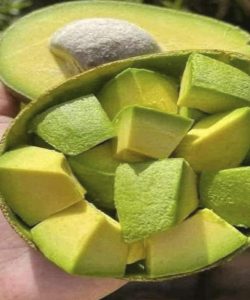
Discover the Amazing Health Benefits of Avocado and Try These Nourishing Recipe
Avocados are widely celebrated as one of nature's most nutrient-dense foods. Creamy, versatile, and satisfying, they fit into almost any style of eating, from hearty breakfast bowls to light salads and smoothies. But beyond their taste and texture, avocados offer a genuinely impressive nutritional profile.
This guide covers what makes avocados nutritionally special, how to pick and store them, three easy nourishing recipes that put them to work, and answers to the most common questions about eating avocados regularly.
What is inside an avocado
A typical avocado is mostly water and fat, and that is exactly the point. The fat in avocados is predominantly monounsaturated fat, particularly oleic acid, the same type of fat that makes olive oil a cornerstone of healthy eating patterns. Avocados also provide a meaningful amount of dietary fiber, potassium, folate, vitamin K, vitamin E, vitamin C, and several B vitamins, along with carotenoids such as lutein and zeaxanthin.
Here is how those nutrients translate into everyday benefits:
- Heart health. Monounsaturated fats, as part of a balanced diet that limits saturated fat, are associated with healthy cholesterol profiles. Avocados also supply potassium, which plays a role in healthy blood pressure regulation.
- Digestive health. A single avocado provides a substantial amount of fiber, which supports regular digestion and feeds beneficial gut bacteria.
- Satiety and balanced eating. The combination of fiber and healthy fat makes avocados filling, which can help meals feel more satisfying and support sensible portion habits.
- Skin health. Vitamin E, vitamin C, and healthy fats are all nutrients involved in maintaining healthy skin, and avocados deliver all three.
- Nutrient absorption. Some vitamins, including A, D, E, and K, are fat-soluble, meaning the body absorbs them better when eaten with fat. Adding avocado to a salad or vegetable dish can help your body make more use of the nutrients in the other ingredients.
- Brain and eye support. Folate and B vitamins support normal nervous system function, while lutein and zeaxanthin are carotenoids concentrated in the eyes.
None of this makes avocados a miracle food. They are simply a nutrient-dense whole food that earns its reputation through a genuinely strong nutritional profile rather than marketing.
Choosing and storing avocados
Picking a ripe avocado is a skill worth learning. Gently press the fruit in your palm (not with your fingertips, which can bruise it). A ripe avocado yields to gentle pressure and feels slightly soft but not mushy. Under the small stem cap, the color should be green; brown underneath suggests overripeness.
Unripe avocados can be ripened at room temperature in a few days. To speed things up, place them in a paper bag with a banana or apple, which releases ethylene gas that accelerates ripening. Once ripe, store avocados in the refrigerator, where they keep for two to three days. To store a cut half, leave the pit in, brush the flesh with lemon or lime juice, wrap tightly, and refrigerate.
Recipe 1: Avocado and Salmon Power Bowl
Great for: heart health, steady energy, satisfying meals.
Ingredients (serves 1):
- 1 salmon fillet (about 150 g)
- 1/2 ripe avocado, sliced
- 1/2 cup cooked quinoa
- 1 cup spinach or mixed greens
- 1/4 cup shredded red cabbage
- 1/2 cucumber, sliced
- 1 tablespoon olive oil
- 1 teaspoon lemon juice
- Pinch of salt and black pepper
Instructions:
- Grill or pan-sear the salmon over medium-high heat until fully cooked and flaky, about 4 to 6 minutes per side.
- In a bowl, layer the quinoa, spinach, cucumber, and red cabbage.
- Add the sliced avocado and top with the cooked salmon.
- Whisk the olive oil, lemon juice, salt, and pepper, and drizzle over the bowl.
- Serve warm or chilled.
This bowl combines the monounsaturated fats of avocado with the omega-3 fatty acids of salmon, plus fiber from quinoa and vegetables, making it a balanced, filling meal in a single dish.
Recipe 2: Avocado Green Smoothie
Great for: hydration, a fiber-rich breakfast or snack.
Ingredients (serves 1):
- 1/2 ripe avocado
- 1 cup fresh spinach
- 1/2 cucumber, roughly chopped
- 1/2 frozen banana or 1/2 cup frozen mango
- 1 cup coconut water or unsweetened almond milk
- 1 tablespoon chia seeds
- Juice of 1/2 lemon (optional)
Instructions:
- Add all ingredients to a blender.
- Blend until smooth and creamy, adding more liquid if needed.
- Pour into a glass and enjoy chilled.
The avocado makes this smoothie rich and creamy without any dairy, while the spinach, chia seeds, and fruit add fiber, antioxidants, and natural sweetness. It works well as a quick breakfast or a post-workout snack.
Recipe 3: Sweet Potato and Black Bean Tacos with Avocado Crema
Great for: balanced energy, plant-forward meals, feeding a crowd.
Ingredients (serves 4):
- 2 medium sweet potatoes, peeled and cut into cubes
- 1 cup canned black beans, rinsed and drained
- 2 tablespoons olive oil
- 1 teaspoon ground cumin
- 1 teaspoon chili powder
- Salt to taste
- 8 small corn or whole-grain tortillas
- 1 cup shredded red cabbage, for topping
For the avocado crema:
- 1 ripe avocado
- Juice of 1 lime
- 2 tablespoons plain Greek yogurt (or a dairy-free alternative)
- 1 small garlic clove
- Salt to taste
Instructions:
- Heat the oven to 200°C (400°F). Toss the sweet potato cubes with olive oil, cumin, chili powder, and salt.
- Roast for about 25 minutes, turning once, until tender and lightly caramelized at the edges.
- Blend the avocado, lime juice, yogurt, garlic, and salt until smooth to make the crema.
- Warm the tortillas in a dry skillet or directly over a gas flame for a few seconds per side.
- Fill each tortilla with roasted sweet potato, black beans, and red cabbage, then drizzle generously with avocado crema.
These tacos are high in fiber and complex carbohydrates for steady energy, and the avocado crema adds creaminess and healthy fats without heaviness.
More easy ways to use avocado
- Classic toast. Mash ripe avocado on whole-grain toast with lemon juice, salt, pepper, and red pepper flakes.
- Guacamole. Mash with lime juice, diced onion, tomato, cilantro, and a pinch of salt.
- Salad booster. Dice avocado over any salad to add creaminess and help absorb fat-soluble vitamins.
- Egg topping. Add sliced avocado to scrambled eggs or an omelet for a more satisfying breakfast.
- Chocolate mousse. Blended with cocoa powder, a sweetener, and vanilla, ripe avocado makes a surprisingly rich dairy-free dessert.
A note on portions
Avocados are calorie-dense because of their fat content, which is normal for a whole food rich in healthy fats. For most people, a serving of one-third to one-half of an avocado per meal is a sensible amount. There is no need to fear the calories; just treat avocado as you would olive oil or nuts, a nourishing fat to enjoy in reasonable portions as part of a balanced diet.
Frequently asked questions
How many avocados can I eat per day?
There is no strict rule, but most nutrition guidance treats half an avocado as one serving. One whole avocado a day fits comfortably into most balanced diets; more than that is fine occasionally as long as overall calorie intake stays reasonable.
Are avocados good for weight management?
Their fiber and fat content makes them filling, which can help with appetite control. They are calorie-dense, so portion awareness matters, but they are not a food to avoid when managing weight.
Can I eat avocado if I have high cholesterol?
Avocados contain no cholesterol and their fats are mostly monounsaturated. Many people include them as part of a heart-conscious eating pattern, but anyone managing a medical condition should follow their own doctor's guidance.
How do I keep guacamole from browning?
Browning is oxidation from air exposure. Press plastic wrap directly onto the surface, add plenty of lime or lemon juice, and store it in the narrowest container that fits.
Avocados earn their place in the kitchen the honest way: great taste, real versatility, and a nutritional profile that supports the way most people want to eat. Try one of the recipes above, and you will see why this fruit keeps its reputation year after year.
This article is for informational purposes only and is not medical advice. Please consult a qualified professional.

