
A Father's Legacy and the True Meaning of Family
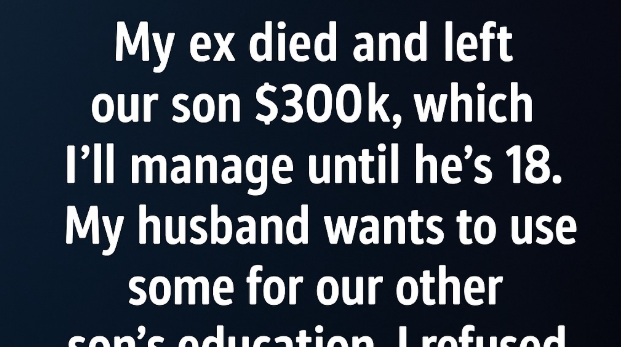
When my former partner passed away unexpectedly a few months ago, his final wish was to secure our son Liam's future. In his will, he left a $300,000 inheritance, naming me as guardian of those funds until Liam turns 18. This act of love reflected his deep commitment to his child's well-being and long-term stability.
A Blended Family Full of Love
Life has moved forward since then. I remarried David, who has been a caring and supportive stepfather to Liam. Together we're raising our younger son, Noah, and creating a blended family full of laughter, learning, and shared memories.
Blended families are among the most common family structures today, and they come with unique joys and unique challenges. When a new partner enters a family that already includes children from a previous relationship, everyone must navigate loyalty, belonging, and fairness. Most of the time, love is abundant. But money, especially money tied to a deceased parent, can complicate even the happiest households.
The Request That Tested Everything
When David learned about Liam's inheritance, he suggested using part of it for Noah's education. While I understood his feelings, I gently declined. The money was entrusted to me for Liam alone, honoring his late father's heartfelt intention.
David's reaction was one of frustration, questioning my priorities as a mother, and his words stung deeply.
His feelings were understandable. From his perspective, he saw two boys he loved equally, and a pool of money that could help both. The instinct to share resources equally among children is a natural parental impulse. But this situation was different, and understanding why requires looking at what an inheritance actually is.
An inheritance is not a family pot. It is a specific person's final expression of love and responsibility, directed at a specific recipient. Liam's father did not leave money to "the family." He left it to his son, with his son's mother as guardian. Redirecting it, even for a worthy purpose like another child's education, would violate the trust placed in the guardian and dishonor the giver's intent.
The Missing Documents
The next day I came home to find Liam's small safe, where I kept the inheritance documents, standing open. Important papers, including the account details, were missing. My heart raced.
When I confronted David, he admitted he had taken the documents to "review" them, believing it was a step toward fairness between the children.
This was the moment the disagreement became something more serious. Taking legal documents without permission, even with good intentions, crosses a line. It undermines trust between partners and violates the guardian's legal responsibility. As the named guardian of the funds, the mother has a fiduciary duty: a legal obligation to protect those assets for Liam's benefit alone. That duty does not bend for family harmony.
A Conversation That Changed Everything
I remained calm and explained that this wasn't about favoritism but about keeping a sacred promise. True fairness isn't taking from one child to give to another; it's finding ways to support both children with love and integrity.
That distinction is worth sitting with. Children often measure fairness in equal slices. Adults must measure it in honoring commitments. Liam's inheritance is not a privilege he holds over Noah. It is a father's last gift, held in trust. Noah, meanwhile, deserves his own provisions, built from the family's shared resources.
I suggested we build a separate savings plan for Noah from our own resources. After a long and honest discussion, David understood the meaning of the inheritance as Liam's link to his late father. He apologized and returned the documents.
The resolution came through communication, not confrontation. She stayed calm. She explained rather than accused. She offered a constructive alternative instead of just saying no. And David, to his credit, listened, reflected, and changed course. That is what healthy conflict resolution looks like in a marriage.
Protecting the Legacy
Together, we agreed to work with a financial advisor to ensure the funds are protected for Liam's future, as originally intended.
This was a wise step. Managing a large inheritance for a minor involves real complexity:
- Legal structure: Funds for minors are often held in custodial accounts, trusts, or court-supervised arrangements, depending on jurisdiction.
- Investment strategy: Money meant to grow over many years should be invested appropriately, balancing growth with safety.
- Clear records: Every transaction should be documented to demonstrate that the guardian acted solely in the child's interest.
- Professional guidance: A financial advisor and an estate attorney can ensure compliance with legal obligations and optimal growth.
A guardian who mishandles a child's inheritance, even with good intentions, can face serious legal consequences. Professional management protects both the money and the guardian.
What Blended Families Can Learn
That evening, as we tucked Liam and Noah into bed, peace returned to our home. This experience reminded us that family unity doesn't come from dividing money equally, but from giving equal measures of love, respect, and care to every child.
Blended families navigating similar situations can take away several lessons:
- Honor the deceased parent's intent. An inheritance is a sacred trust, not a family resource to redistribute.
- Address the underlying emotion. David's request came from love for Noah, not greed. Acknowledging that made resolution possible.
- Never take what isn't yours to take. Good intentions do not justify crossing legal and ethical lines.
- Build separately for each child. Every child deserves provisions made intentionally for them.
- Communicate calmly under pressure. The mother's composure turned a potential crisis into a moment of growth.
- Get professional help. Financial advisors and family counselors exist for exactly these situations.
In the End, It's Not About the Money
In the end, this isn't a story about $300,000. It's a story about honoring trust, keeping promises, and preserving a father's enduring gift to his son, while strengthening the bonds that make a family whole.
Liam will one day learn what his father did for him, and what his mother did to protect it. That knowledge, that he was loved, planned for, and fought for, may prove more valuable than the money itself. And Noah will grow up in a home where he saw his parents handle a difficult disagreement with honesty and respect. That, too, is an inheritance.
Frequently Asked Questions
What are a guardian's legal responsibilities for a child's inheritance?
A guardian has a fiduciary duty to manage the funds solely for the child's benefit. This means protecting the assets, investing prudently, keeping clear records, and never using the money for other purposes, even worthy ones. Violating this duty can have serious legal consequences.
Can inheritance money be shared with step-siblings?
Generally, no. An inheritance belongs to the named beneficiary. Using it for someone else, even another child in the family, would violate both the deceased's intent and the guardian's legal obligations. Families should build separate provisions for other children.
How should large inheritances for minors be managed?
Through proper legal structures such as custodial accounts or trusts, with professional guidance from a financial advisor and estate attorney. Funds should be invested appropriately for long-term growth, with meticulous record keeping.
What should blended families do to avoid money conflicts?
Communicate openly about finances, respect the distinct origins of each child's resources, create separate savings for each child from shared income, and consider prenuptial or estate planning documents that clarify intentions. Family counseling can help navigate sensitive discussions.
Is it normal for stepparents to feel conflicted about unequal resources?
Yes, completely normal. Loving all the children equally while managing unequal resources is one of the hardest aspects of blended family life. The key is channeling that love into building fair provisions for each child rather than redistributing what belongs to one.
At what age can Liam access his inheritance?
According to the will described, the funds are held in guardianship until Liam turns 18. The specific terms of any will or trust govern access, and families should review these with an estate attorney to understand exactly how and when funds become available.


