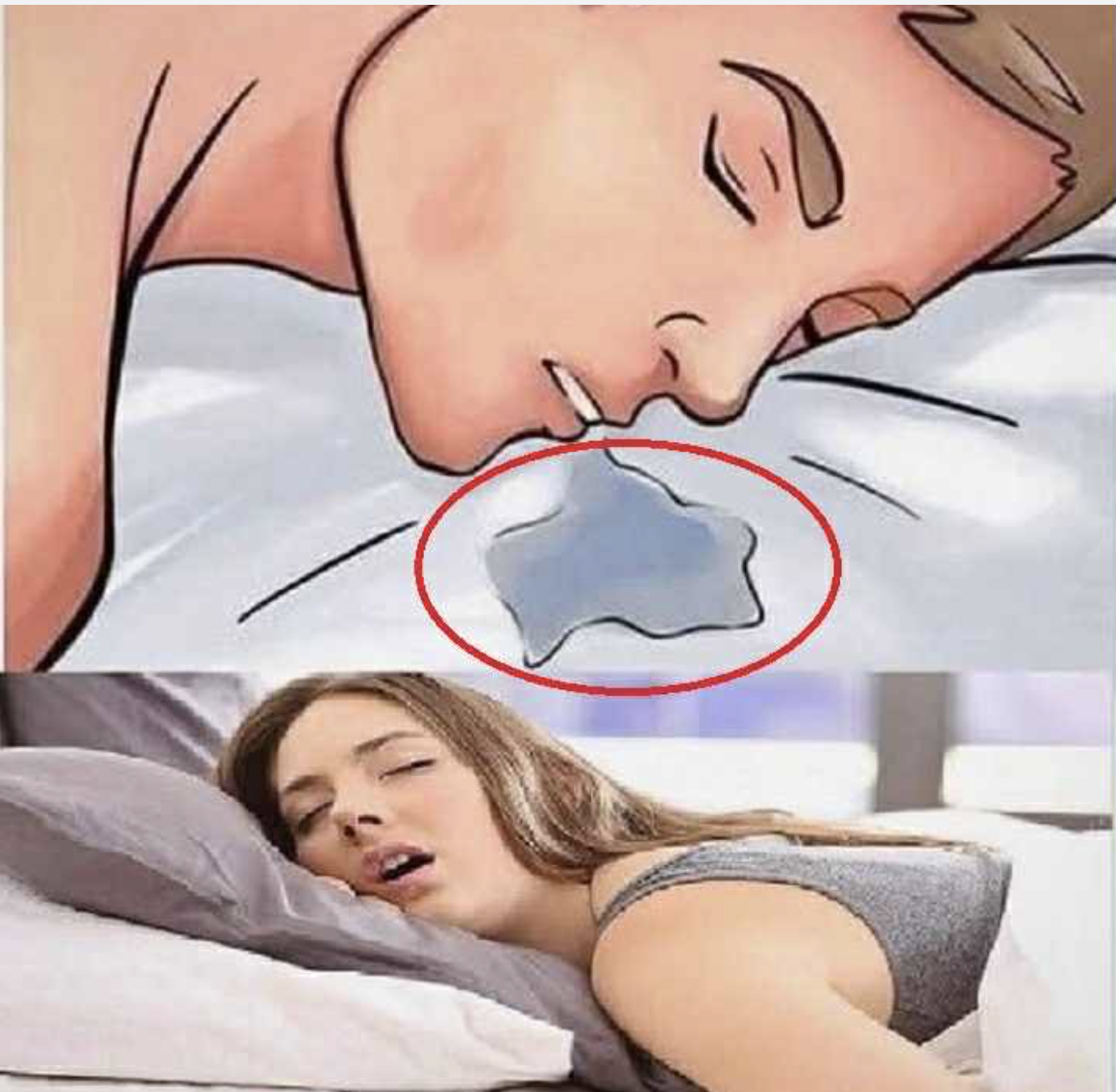
Waking up and noticing a damp spot on your pillow is something many people experience from time to time. Although nighttime drooling can feel embarrassing, it is often a normal result of the way the body relaxes during sleep.
While we are awake, swallowing saliva happens automatically throughout the day. Once we fall asleep, however, our muscles become more relaxed, our swallowing frequency changes, and our sleeping position can affect where saliva collects. If the mouth remains slightly open, saliva may eventually find its way onto the pillow.
For most people, occasional drooling is not a sign that something is wrong. However, if you suddenly begin drooling much more than usual or notice other changes in your sleep, it may be worth considering what could be contributing to it.
Several everyday factors can play a role, including sleeping position, nasal congestion, mouth breathing, sleep habits, and certain medications.
Why Does Drooling Happen During Sleep?
Saliva has an important job. It helps keep the mouth moist, supports digestion, and protects oral tissues. Your body continues producing saliva while you sleep, although the amount and swallowing patterns can change.
When you are awake, saliva is usually swallowed without conscious effort. During sleep, the muscles responsible for swallowing are more relaxed and swallowing occurs less frequently.
At the same time, your mouth may open slightly while you are sleeping. When that happens, saliva can move toward the lips and eventually escape.
This means that waking up with some drool does not necessarily indicate a medical problem. In many cases, it is simply the result of normal changes that happen when the body enters a relaxed sleeping state.
Your Sleeping Position Could Be a Factor
The way you sleep can have a noticeable effect on nighttime drooling.
People who sleep on their sides or stomach may be more likely to notice saliva on their pillow. Gravity can cause saliva to move toward the side of the mouth, particularly if the lips are slightly open.
Sleeping on your back may reduce drooling for some people because saliva is less likely to flow directly toward the edge of the mouth. However, changing sleeping position is not always comfortable, and it may not be appropriate for everyone.
If you consistently notice drooling after sleeping on one particular side, try paying attention to whether the pattern changes when you naturally sleep in another position.
Mouth Breathing Can Contribute
Another common reason for nighttime drooling is breathing through the mouth.
Ideally, people breathe comfortably through their nose while sleeping. But a blocked nose can make that difficult. When nasal breathing becomes uncomfortable, the mouth may open automatically to allow easier airflow.
Once the mouth is open, saliva can escape more easily.
Temporary nasal congestion can occur because of a cold, environmental irritation, dry air, or seasonal allergies. Even something as simple as having a stuffy nose before bed can change the way you breathe during the night.
If you regularly wake up with a dry mouth as well as drool on your pillow, mouth breathing may be part of the explanation.
Nasal Congestion May Be Worth Noticing
A stuffy nose does more than make breathing uncomfortable during the day. It can also affect how you sleep.
When your nasal passages are congested, you may naturally breathe through your mouth. This can lead to an open-mouth sleeping position and make drooling more noticeable.
Pay attention to whether the problem appears mainly during periods when your nose feels blocked. If the drooling disappears once your breathing returns to normal, congestion may have been contributing.
Persistent nasal problems, however, should not simply be ignored. If you regularly have difficulty breathing through your nose, discussing the issue with a healthcare professional can help identify the cause.
Could Sleep Quality Be Connected?
Drooling itself does not necessarily mean that your sleep is poor. Some people drool regularly and wake up feeling completely rested.
However, if nighttime drooling occurs together with other sleep-related changes, it may be useful to look at the bigger picture.
For example, frequent loud snoring, repeated nighttime awakenings, morning headaches, or significant daytime tiredness can be signs that your sleep deserves closer attention.
This does not mean drooling is causing these symptoms or that it automatically indicates a particular sleep disorder. Instead, the combination of several symptoms may be a reason to discuss your sleep habits with a qualified healthcare professional.
Being Extremely Tired May Change Your Sleeping Habits
After a particularly exhausting day, you may fall asleep faster and remain in a deeper state of relaxation.
When the muscles around the mouth and throat relax, it may become easier for the mouth to remain open. Depending on your sleeping position, this can increase the chance of saliva escaping.
This is one reason someone who rarely drools may occasionally wake up with a wet pillow after an especially tiring night.
Changes in your routine, late nights, travel, or unusually demanding days can also alter your normal sleeping habits.
What About Stress?
Stress can affect sleep in many different ways. Some people have difficulty falling asleep, while others experience changes in their sleep patterns or nighttime habits.
Stress is not necessarily a direct cause of drooling, but changes in sleep quality, fatigue, breathing habits, and sleeping position can sometimes influence how much saliva escapes during the night.
If you notice several changes in your sleep at the same time, keeping track of your routine may help you identify patterns.
Medications Can Sometimes Affect Saliva
Certain medications can influence saliva production or muscle activity. Depending on the medication, a person may notice changes such as increased saliva, reduced saliva, or a different sensation in the mouth.
If nighttime drooling began shortly after you started taking a new medication, it may be worth asking a doctor or pharmacist whether there could be a connection.
It is important not to stop or change a prescribed medication without professional guidance. A healthcare professional can help determine whether the medication may be contributing and whether anything should be adjusted.
Oral Health May Also Matter
Your mouth produces saliva for several important reasons, including maintaining moisture and supporting oral health.
Although drooling during sleep is not usually an indication of poor dental hygiene, maintaining good oral care is still important.
Brushing your teeth regularly, cleaning between your teeth, and attending routine dental appointments can help keep your mouth healthy.
If you experience excessive saliva along with persistent mouth discomfort, swallowing difficulties, or other unusual changes, a dentist or healthcare professional can help determine whether further evaluation is appropriate.
Is Nighttime Drooling More Common in Certain People?
Anyone can drool while sleeping, regardless of age.
However, some people may notice it more often because of differences in sleeping position, nasal breathing, mouth anatomy, sleep habits, or other individual factors.
Children, for example, may occasionally drool more because their sleeping habits and control of swallowing are still developing. Adults can also experience nighttime drooling for many of the same everyday reasons.
The important point is that there is no single explanation that applies to everyone.
When Is Drooling Considered Normal?
There is no specific amount of nighttime drooling that automatically defines what is normal.
Occasional drooling is generally not concerning, especially when you otherwise feel well.
You might notice it after:
- Sleeping in an unusual position
- Having a stuffy nose
- Being extremely tired
- Sleeping more deeply than usual
- Experiencing temporary congestion
- Changing your normal sleep routine
If the issue comes and goes without other symptoms, it may simply reflect normal variations in sleep.
When Should You Talk to a Healthcare Professional?
Although nighttime drooling is often harmless, persistent or sudden changes deserve attention, particularly when other symptoms are present.
Consider speaking with a healthcare professional if you regularly experience significant difficulty swallowing, frequent choking or coughing during sleep, persistent breathing problems, or an unusual change in your ability to control saliva.
A sudden change accompanied by other unusual symptoms should also be evaluated rather than assumed to be caused by ordinary sleep habits.
The purpose of seeking professional advice is not to assume the worst. Instead, it can help identify the actual cause and provide reassurance when there is nothing serious behind the change.
Can You Reduce Nighttime Drooling?
There is no universal solution because the most effective approach depends on why the drooling is happening.
Still, several simple habits may be worth trying.
Experiment With Your Sleeping Position
If you normally sleep on your stomach or side, notice whether your drooling changes when you naturally sleep in another position.
Do not force yourself into an uncomfortable position simply to prevent drooling. Good-quality sleep is important, too.
Keep Your Nose Comfortable
If congestion is making it difficult to breathe through your nose, addressing the underlying cause may reduce mouth breathing.
For temporary congestion, simple measures that are appropriate for you may help. If nasal blockage continues for an extended period, professional advice can be useful.
Maintain Good Oral Hygiene
Regular brushing, cleaning between the teeth, and routine dental care support overall oral health.
Good oral hygiene will not necessarily stop nighttime drooling, but it can help keep your mouth comfortable and healthy.
Pay Attention to New Medications
If you notice a sudden change after starting a medication, make a note of when the change began.
Your doctor or pharmacist can then help determine whether the medication could be involved.
Create a Consistent Sleep Routine
Going to bed and waking up at roughly consistent times can support healthier sleep habits.
A comfortable sleeping environment, a relaxing bedtime routine, and sufficient sleep may also help you maintain more regular sleep patterns.
Keep a Simple Sleep Journal
If you are unsure what is causing nighttime drooling, keeping a simple record for a week or two may reveal useful patterns.
You could note:
- What time you went to bed
- What position you woke up sleeping in
- Whether your nose was congested
- Whether you were unusually tired
- Whether you noticed snoring or nighttime awakenings
- Any recent changes in medication
- Whether drooling occurred that night
You do not need complicated equipment. Even a few notes each morning can help you recognize whether the problem appears under particular circumstances.
What Nighttime Drooling Does—and Does Not—Tell You
It is tempting to search for a single explanation whenever something unusual happens during sleep. But nighttime drooling is not a reliable way to diagnose a health condition.
Drooling alone usually provides very little information about your overall health.
Instead, it is more useful to consider it alongside other factors. Are you sleeping comfortably? Are you breathing normally? Are you waking rested? Has anything recently changed in your routine?
Looking at these details can provide a much clearer picture than focusing on the drooling itself.
Don’t Let an Occasional Wet Pillow Worry You
Finding drool on your pillow can certainly be annoying, but it is not automatically a reason for concern.
For many people, it is simply a consequence of relaxed muscles, an open mouth, a particular sleeping position, or temporary nasal congestion.
If it happens occasionally and you have no other concerning symptoms, there may be little reason to worry.
On the other hand, if the change is persistent, severe, or accompanied by difficulty swallowing, breathing problems, frequent choking, or other unusual symptoms, professional advice is a sensible next step.
Final Thoughts
Nighttime drooling is much more common than many people realize. While it can sometimes be linked to factors such as sleeping position, mouth breathing, nasal congestion, fatigue, or medication-related changes, it is often simply a normal part of sleep.
The key is to pay attention to changes rather than immediately assuming that drooling means something is wrong.
If you occasionally wake up with a little saliva on your pillow, there is usually no need to panic. But if the habit suddenly becomes frequent or appears alongside other symptoms, talking with a healthcare professional can help you understand what may be happening.
In the end, a wet pillow is usually just a small and ordinary part of sleeping—not a definitive message from your body about your health.