
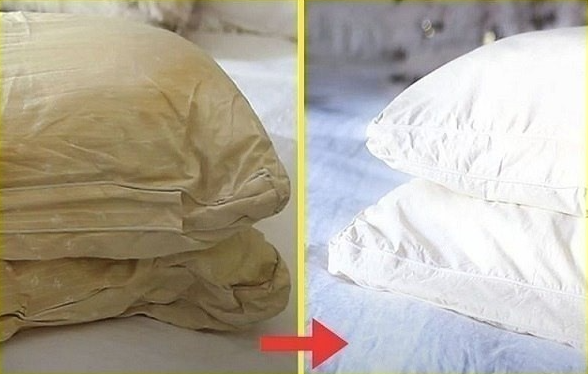
Easy Ways to Wash Your Bed Pillows and Bring Back Their Fresh, Clean Look
Pillows play an important role in quality sleep, but over time they start to show signs of use: slight yellowing, fading fabric, or lingering odors that pillowcases can't completely hide. Even if the surface looks clean, sweat, natural oils, dust, and other particles slowly settle inside. This buildup affects both freshness and comfort, especially for anyone with allergies or sensitive skin.
The good news: keeping your pillows clean is much easier than most people think. With a few simple steps, you can restore softness, improve hygiene, and create a more comfortable sleeping environment.
Why Pillows Need Washing
It's easy to assume the pillowcase does all the protective work. It doesn't. Over months of nightly use, pillows absorb:
- Sweat and body oils: The average person loses significant moisture overnight, and much of it ends up in the pillow.
- Dead skin cells: A natural and constant process, providing food for dust mites.
- Dust mites and allergens: These microscopic creatures thrive in warm, humid bedding and are a major trigger for allergies and asthma.
- Hair and skincare products: Residues migrate from hair and skin into the pillow fill.
Experts generally recommend washing pillows every three to six months, with pillowcases washed weekly and pillow protectors monthly. If you wake up congested or your pillow has visible yellowing, it's overdue.
Before You Start: Check the Label
Before starting, always check the care label on your pillow. The instructions tell you exactly which cleaning method is safe for your pillow's material. This step is non-negotiable, because the wrong method can ruin certain fills.
- Synthetic (polyester): Usually machine washable and the most forgiving.
- Cotton: Generally machine washable; may need thorough drying.
- Feather and down: Often machine washable on gentle cycles, but require careful, complete drying to prevent clumping and odor.
- Memory foam: Never machine wash or fully submerge. Spot clean only, as water breaks down the foam structure.
- Latex: Similar to memory foam; spot clean and air out rather than machine washing.
When in doubt, follow the manufacturer's instructions over any general guide.
Machine Washing: Step by Step
For machine-washable pillows, the process is straightforward:
1. Remove protectors and cases, and inspect the pillow for tears. Mend or replace if the fill is escaping.
2. Wash two pillows at a time. This keeps the washer balanced and allows detergent to distribute evenly. An unbalanced load cleans poorly and strains the machine.
3. Use warm water and a gentle detergent. A small amount of mild liquid detergent is ideal. Adding a little baking soda or white vinegar can naturally freshen the pillow and reduce odors.
4. Choose the right cycle. A gentle or delicate cycle with an extra rinse helps remove all detergent residue, which can irritate skin and attract dirt if left behind.
5. Avoid fabric softener and bleach. Softeners coat fibers and reduce fluffiness; harsh bleach can damage fills. Oxygen-based brighteners are a safer choice for whitening.
Drying: The Step Most People Rush
Drying the pillow completely is essential. Any moisture left inside can lead to mold, mildew, or unpleasant smells, which is worse than not washing at all.
- Use low heat or air-dry settings. High heat can damage fills and covers. Low and slow wins.
- Add dryer balls or clean tennis balls. These bounce around breaking up clumps, especially important for feather, down, and polyester fills, restoring loft as they dry.
- Expect it to take a while. Feather and down pillows may need several dryer cycles. Patience here prevents that musty smell of incomplete drying.
- The squeeze test: When you think it's done, squeeze the pillow firmly and smell the center. Any dampness or mustiness means more drying time.
- Finish with fresh air: If weather permits, a few hours in sunlight adds natural freshening and UV sanitizing.
Caring for Non-Machine-Washable Pillows
Memory foam, latex, and some specialty pillows need a different approach:
- Vacuum regularly with an upholstery attachment to remove dust and allergens.
- Spot clean stains with a mild detergent solution and a damp cloth, then blot dry. Never saturate the foam.
- Deodorize with baking soda: Sprinkle generously, let sit for several hours, then vacuum thoroughly.
- Air out frequently: Good ventilation prevents odor buildup. Avoid direct prolonged sunlight on foam, which can degrade it.
- Always use a protector: A washable waterproof protector is the single best investment for foam pillows, since it takes the beating the pillow itself can't.
Keeping Pillows Fresher Longer
Washing is periodic; daily habits determine how fast pillows degrade:
- Use pillow protectors under your pillowcases and wash them monthly.
- Wash pillowcases weekly without exception.
- Fluff pillows daily to redistribute fill and release trapped moisture.
- Don't go to bed with wet hair or heavy skincare products if you can avoid it.
- Replace pillows when they no longer bounce back. Fold a pillow in half; if it doesn't spring back, its supportive life is over. Most pillows need replacing every one to two years.
Frequently Asked Questions
How often should I wash my bed pillows?
Every three to six months for most types, with pillowcases washed weekly. Allergy sufferers may benefit from the more frequent end of that range.
Can I put all pillows in the washing machine?
No. Synthetic, cotton, feather, and down pillows are usually machine washable, but memory foam and latex pillows should only be spot cleaned. Always check the care label first.
Why do pillows turn yellow?
Yellowing comes from absorbed sweat, body oils, and saliva over time. It's normal and largely preventable with protectors, and often reversible with proper washing.
How do I know if my pillow is fully dry?
Squeeze the center firmly and smell it. It should feel uniformly fluffy with no cool damp spots and no musty odor. When in doubt, dry it longer.
When should I replace a pillow instead of washing it?
If it stays lumpy after washing and drying, has lost its shape permanently, smells musty despite cleaning, or is more than two years old with nightly use, it's time for a replacement.

