
Gen Z Shock: Teen's Sudden Medical Emergency After Landing in Nashville Raises Health Awareness
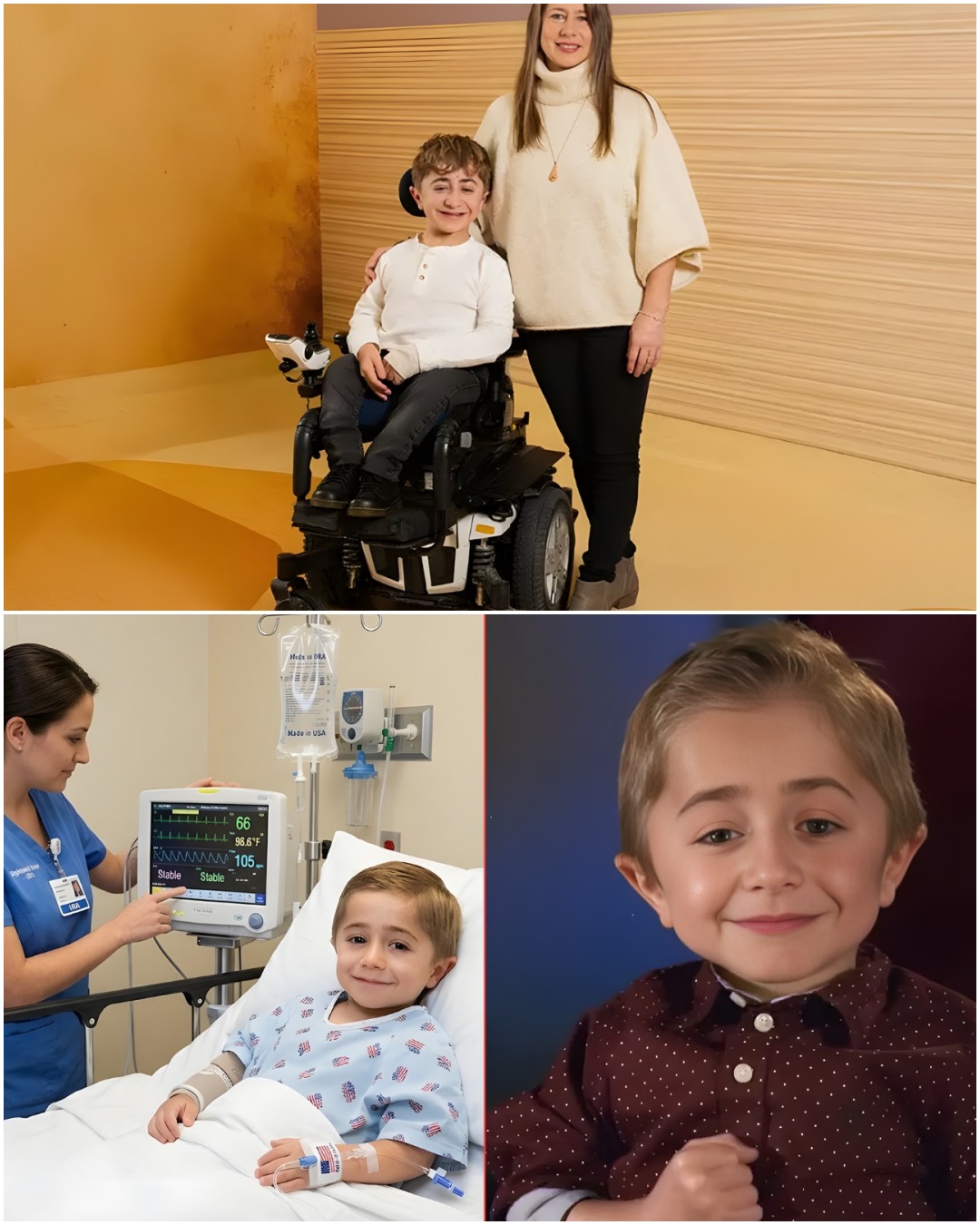
What began as an exciting trip quickly turned into a serious health emergency for a young traveler in Nashville. Just a few hours after arriving in the city for a scheduled rehearsal, Kaleb Wolf experienced a sudden medical crisis that required immediate attention and intensive care.
The story has sparked conversations online about how quickly a health situation can change, even on an ordinary travel day, and why staying alert to warning signs matters for everyone.
A Sudden Turn of Events
According to reports, Kaleb had just arrived at his hotel with family members and was resting after his flight. Travel days are tiring, and resting after landing is completely normal. In this case, however, things changed within a short period.
His condition shifted unexpectedly, prompting concern from those around him. Family members quickly sought emergency assistance after noticing difficulty in his breathing. That fast response was critical. Hotel staff responded promptly, and emergency medical teams arrived to provide support before transporting him to a nearby hospital.
Breathing difficulty is always a sign to take seriously. In this situation, the people around Kaleb did exactly the right thing: they did not wait to see if things would improve on their own. They called for professional help right away.
Understanding the Medical Condition
Doctors later identified the issue as acute pleural effusion, a condition where fluid builds up around the lungs. To understand what that means, it helps to know a little about how the lungs normally work.
Each lung sits inside a thin, double-layered lining. Normally, only a tiny amount of fluid sits between those layers to help them glide smoothly as you breathe. In pleural effusion, extra fluid collects in that space. When enough fluid builds up, it can press against the lung, making it harder for the lung to expand fully. That pressure is what can cause shortness of breath and discomfort.
Pleural effusion can develop for various reasons, and it is usually connected to an underlying condition. Medical experts explain that, in rare cases, changes in air pressure during flights may contribute to complications, especially for individuals with pre-existing health sensitivities. For most travelers, flying is completely safe. Millions of people fly every day without any health issues. But this incident highlights the importance of monitoring health conditions before and after air travel.
It is worth remembering that this was an unusual event. Air travel is a normal, routine activity, and serious emergencies like this are rare. The takeaway is not fear of flying. It is awareness: pay attention to how you feel during and after travel, and take new or worsening symptoms seriously.
Immediate Medical Care
At the hospital, Kaleb was admitted to the intensive care unit, where specialists began treatment to stabilize his breathing. The ICU is the part of a hospital designed for patients who need the closest monitoring and the fastest response, with specialized staff and equipment around the clock.
Medical teams performed procedures to reduce pressure on his lungs and ensure proper oxygen levels. When fluid is pressing on a lung, relieving that pressure can help the lung expand more easily, which supports steadier, more comfortable breathing. Maintaining healthy oxygen levels is a central goal in any situation involving breathing difficulty.
Healthcare professionals continue to monitor his condition closely, emphasizing that early intervention is critical in situations like this. In emergencies involving breathing, minutes matter. The quicker a patient reaches professional care, the more options doctors have and the better the chances of stabilizing things before they worsen.
Support From the Community
As news spread, many people expressed concern and support for Kaleb and his family. Messages of encouragement have been shared online, reflecting how quickly communities can come together during difficult moments. Family members remain by his side as doctors continue providing care and monitoring his progress.
Public support does not change a medical outcome, but it matters to the people living through the crisis. Knowing that others care can offer real comfort to families in stressful times.
A Reminder About Health and Travel
This situation serves as a reminder of how important it is to stay attentive to health signals, especially during travel. If you or someone you are with experiences unusual symptoms such as shortness of breath, it is important to seek medical help right away. While rare, medical emergencies can happen unexpectedly, and quick action can make a significant difference.
Some general travel health practices worth keeping in mind:
- Pay attention to your body during and after flights, especially if you have a known health condition
- Stay hydrated while traveling, since dry cabin air and long days can take a toll
- If you have a pre-existing condition, consider checking in with your doctor before a trip for any travel-specific advice
- Know where the nearest hospital or urgent care is when you arrive somewhere new
- Keep emergency contacts and any important medical information easy to find
- Do not hesitate to ask hotel staff for help in an emergency. They are trained to respond and can connect you with local services quickly
None of these steps prevent every emergency. But being prepared and acting fast when something feels wrong gives you and the people around you the best possible position.
Frequently Asked Questions
What is acute pleural effusion?
It is a condition in which excess fluid builds up in the space around the lungs. That fluid can press on the lungs and make breathing difficult. It usually appears alongside another underlying health issue.
Is flying dangerous for most people?
No. For most travelers, flying is completely safe. Serious in-flight or post-flight medical emergencies are rare. This incident is a reminder to stay alert, not a reason to avoid flying.
What should you do if someone has trouble breathing?
Seek emergency medical help immediately. Do not wait to see whether it passes. Call your local emergency number, and if you are at a hotel, alert the staff so they can assist and guide responders to you.
Why is early intervention so important?
In breathing emergencies, a patient's condition can change quickly. Early treatment gives medical teams more options and can prevent a serious situation from becoming worse.
Why This Story Resonated
Stories like this travel fast because they feel close to everyday life. Almost everyone has been on a trip, rested after a flight, and assumed the rest of the day would be uneventful. Seeing how quickly that changed for one young traveler is a powerful reminder that health deserves attention even on ordinary days.
The awareness this incident has raised is its most constructive outcome. More people thinking about travel health, recognizing warning signs, and acting quickly in emergencies can only help.
This article is for informational purposes only and is not medical advice. Please consult a qualified professional.

