How Many Circles Can You Find? This Visual Puzzle Is More Tricky Than It Looks
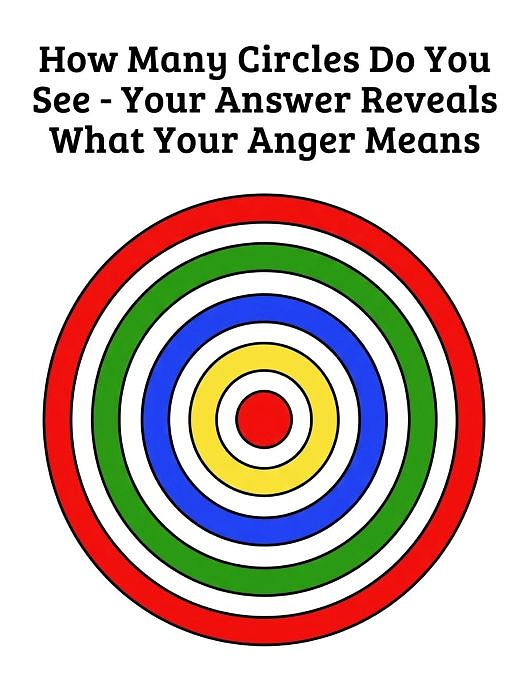
At first glance, the image seems simple and colorful. But once you start looking closely, a popular visual puzzle challenges viewers to count how many circles are hidden within it. What begins as a quick task often turns into a longer, more engaging experience, as many people notice new shapes each time they look again. That sense of surprise is what has helped this image spread widely across social media.
Why Counting Puzzles Feel Harder Than They Look
Counting how many circles are hidden in a busy image is a classic test of visual attention. These puzzles look easy because the task is simple: just count. But several things make them genuinely difficult.
First, our brains are built to process scenes quickly, not to inventory every shape. When you glance at a colorful image, your visual system groups things into patterns and ignores what seems redundant. Small or partially hidden circles easily slip past that first sweep.
Second, circles can overlap. When shapes stack on top of each other, it becomes ambiguous whether you are looking at one circle, two, or a circle hiding behind another shape. Artists often design these puzzles with clever layering precisely to create that uncertainty.
Third, color and decoration distract the eye. A bold background or decorative elements pull attention away from quiet shapes in the corners or edges. The prettiest parts of the image often get the most attention, while the answers hide elsewhere.
How Our Brains Miss Details
These puzzles are a fun way to explore how people observe details differently. Some viewers focus on larger shapes right away, while others naturally notice smaller elements tucked into the design. Because everyone's eyes move across an image in their own way, it is common for people to come up with different totals even when looking at the same picture.
Research on visual attention shows that people tend to scan images in predictable patterns, usually starting near the center or at the brightest area, then moving outward. Anything outside that natural scan path gets noticed less. That is why a slow, deliberate second look almost always turns up shapes the first glance missed.
Tips for Solving Counting Puzzles
If you come across one of these images, a few strategies genuinely help:
- Take your time and look more than once. The first pass catches the obvious shapes. The second and third passes catch the hidden ones.
- Scan in a grid pattern. Divide the image mentally into sections and check each one systematically instead of letting your eyes wander.
- Zoom in. Enlarging the image reveals small circles hiding inside details.
- Look at the edges and corners. Designers love tucking shapes where nobody looks.
- Mark what you find. Tapping or mentally numbering each circle prevents double-counting, which is one of the most common mistakes.
The real enjoyment isn't about the final number. It's about noticing details you may have missed and taking a short mental break from everyday content.
Why These Puzzles Are So Popular
Another reason these puzzles are so popular is their simplicity. There are no rules to learn and no special skills required. All it takes is a moment of curiosity and a willingness to look carefully.
They also trigger satisfying social moments. Many people enjoy sharing their results, comparing answers, and discussing which shapes should be counted as circles. That light interaction makes the challenge enjoyable and easy to talk about. Debating whether a partially hidden shape counts as a circle is half the fun.
The Brain Benefits of Visual Puzzles
Beyond entertainment, these puzzles give your brain a gentle workout. They train sustained attention, improve visual scanning skills, and encourage patience. Studies on cognitive puzzles suggest that activities requiring focused visual search can help maintain mental sharpness over time.
They also serve as a quick reset. Spending a minute carefully examining an image forces you out of passive scrolling and into active observation, which can feel surprisingly refreshing.
Common Mistakes That Throw Off Your Count
Even careful solvers make the same errors:
- Double-counting: counting the same circle twice because you lost track of which ones you already checked. Marking each one as you go solves this.
- Missing partial circles: dismissing a circle because only part of it shows. Decide your rule up front: does a three-quarter circle count? Being consistent matters more than the rule itself.
- Counting decorative dots as circles: tiny dots, buttons, or texture marks can look like circles at a glance. Zooming in helps distinguish them.
- Skipping the border: shapes that touch the edge of the image are easy to miss because the eye treats the frame as a boundary, not a place to search.
Counting Puzzles for Different Ages
These puzzles work well for almost everyone, with slight differences:
- For kids: simple, colorful counting images build number sense, patience, and visual discrimination. They are a screen-time option parents can feel good about.
- For adults: the appeal is the break from routine and the social fun of comparing answers with friends.
- For older adults: regular visual puzzles may help keep attention and visual processing sharp, and they are easy to enjoy at any pace.
Other Puzzle Types Worth Trying
If you enjoy circle counting, you will probably like these cousins of the genre:
- Hidden-object scenes: find all the listed items in a busy illustration
- Spot the difference: compare two nearly identical images
- Optical illusions: images that trick your perception of size, color, or motion
- Word searches and letter grids: the same systematic scanning skill, applied to text
Each one trains a slightly different flavor of attention, which keeps the practice fresh.
A Healthy Habit
Sometimes, a simple visual puzzle can be a surprisingly pleasant way to pause and refocus. So the next time one of these circle-counting images crosses your feed, resist the urge to guess. Slow down, scan section by section, and enjoy the hunt. You will probably find more than you expected.