
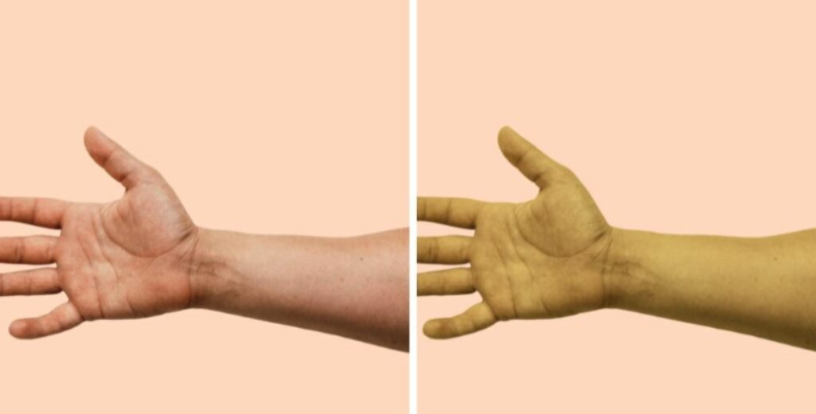
Pay Attention to Subtle Health Signals from Your Body
Your body has its own way of speaking to you. Sometimes, small changes in your appearance or how you feel can be early signs that something needs attention. By being mindful of these signals, you can take proactive steps toward better health and well-being.
Most of the signals below are harmless most of the time. The key is noticing what is new, persistent, or changing, and knowing when a small sign deserves a professional opinion. Think of this article as a guide to paying closer attention, not a diagnostic tool.
1. Changes in Skin Tone
A yellowish tint in the skin or eyes may suggest that the body is under stress. It can sometimes be linked to liver function and should be discussed with a healthcare professional.
Yellowing of the skin or the whites of the eyes, known as jaundice, happens when bilirubin builds up in the blood. The liver normally processes bilirubin, so persistent yellowing can indicate that the liver needs attention. Temporary yellowing after certain illnesses is one thing; a tint that lingers or deepens is worth a prompt medical visit. Note that eating very large amounts of beta-carotene-rich foods like carrots can give the skin an orange-yellow cast, which is harmless and fades when intake drops.
2. White Marks on Nails
Occasional white flecks on nails are often harmless, but if they persist, they could point to nutritional gaps such as low zinc, calcium, or protein.
Small white spots, often called leukonychia, most commonly come from minor bumps to the nail base that you do not even remember. They grow out on their own. However, widespread or persistent white marks across many nails, or nails that turn mostly white, can occasionally signal nutritional deficiencies or other systemic issues. If the marks keep appearing across multiple nails over months, mention it at your next checkup and review your diet for adequate protein, zinc, and calcium.
3. Dry or Cracked Lips
If your lips feel unusually dry, cracked, or thin, dehydration may be the cause. It is also possible that certain lip products are contributing to irritation.
Lips have very thin skin and no oil glands of their own, so they dry out faster than the rest of your face. Cold wind, indoor heating, sun exposure, and not drinking enough water are the usual culprits. Some lip balms containing menthol, camphor, or fragrances can actually irritate lips further, creating a cycle of use and dryness. If your lips stay cracked despite hydration and gentle care, or if cracking appears at the corners of the mouth repeatedly, it can occasionally relate to B-vitamin or iron status, which a doctor can check.
4. Rounded or Curved Nails
When nails grow and bend downward, it can sometimes signal underlying respiratory or digestive concerns.
Nails that curve markedly over the fingertips, sometimes called clubbing, develop gradually and are worth showing to a doctor, since they are associated in medical literature with certain lung, heart, and digestive conditions. This is different from nails that simply grow long and bend from length, which is just a grooming issue. The signal that matters is a change in the shape of the nail bed itself, especially if it develops over months and affects multiple fingers.
5. Mouth Sores
Small sores or ulcers on the lips and inside the mouth are often linked to stress, hormonal changes, or vitamin imbalances.
Canker sores are the most common type: small, painful, round ulcers that appear inside the mouth and heal on their own within one to two weeks. Stress, minor mouth injuries (like biting your cheek), acidic foods, and hormonal shifts around menstruation are frequent triggers. Recurring sores can sometimes relate to low iron, B12, or folate. See a doctor or dentist if a sore lasts longer than two to three weeks, keeps returning in the same spot, or is unusually large, since persistent sores need professional evaluation.
6. Small Bumps on Eyelids
White or yellowish bumps around the eyelids may appear if the skin is dry or due to other health factors. Keeping the area clean and seeking medical advice if they persist is recommended.
Tiny white bumps called milia are common around the eyes and are usually harmless cysts of trapped keratin. Yellowish, flat patches called xanthelasma can appear on or near the eyelids and are sometimes associated with cholesterol levels, particularly in younger adults. Styes, which are painful red bumps from a blocked oil gland, usually resolve with warm compresses. Because the eye area is delicate, avoid squeezing anything near the eyes and see a doctor if bumps grow, multiply, or affect your vision.
7. Ring Around the Eye
A pale or greyish ring around the cornea can be a normal part of aging. However, in younger individuals, it may also be associated with cholesterol levels.
This ring, known as arcus senilis, is a deposit of fats in the outer cornea. In people over 60, it is common and generally harmless. In people under 40, its appearance is less typical and is considered a reason to have cholesterol levels checked, since it can be associated with elevated lipids. An eye doctor can spot it during a routine exam, which is one more reason not to skip eye checkups.
8. Tongue Color Changes
A tongue that appears unusually red may be connected to vitamin deficiencies or an infection. Noticing such changes can help in identifying nutritional needs.
A healthy tongue is usually pink with a thin white coating. A very red, smooth, or "strawberry" tongue can be associated with B-vitamin deficiencies (particularly B12), iron deficiency, or certain infections. A white coating that does not scrape off easily can indicate oral thrush, especially after antibiotics or in people with weakened immunity. Since the tongue regenerates quickly, persistent changes lasting more than a couple of weeks deserve a professional look.
Real-Life Health Example: Varicose Veins
Signals are not only about the face and hands. A 38-year-old woman experienced discomfort and heaviness in her legs due to varicose veins. After undergoing modern treatments such as branch vein sclerotherapy and minimally invasive procedures, her symptoms improved significantly, and her quality of life returned to normal.
Her story illustrates the larger point: she noticed a persistent signal (aching, heavy legs), sought evaluation instead of ignoring it, and a targeted modern treatment resolved what she had been living with. Many vein treatments today are done in an office setting with minimal downtime, a far cry from the major surgery of the past.
Building a Habit of Noticing
You do not need to examine yourself anxiously every day. A lighter, steadier approach works better.
Do a quick monthly check. Once a month, take a few minutes in good light to look at your skin, nails, eyes, mouth, and tongue. You are looking for what is new or changing, not for perfection.
Track changes, not moments. A single white spot on one nail means little. The same spot pattern across many nails for three months means something. Jot down what you notice with dates; patterns are what doctors find useful.
Photograph anything that worries you. A phone photo of a changing mole, a persistent rash, or nail changes gives your doctor far better information than a description from memory.
Know your baselines. Everyone's normal is different. The goal is to know yours so that real changes stand out.
Act on persistence. The single most useful rule: anything new that does not resolve in two to three weeks, or anything that is clearly getting worse, deserves a professional opinion. Early attention almost always leads to simpler solutions.
Frequently Asked Questions
Should I worry about every small change I notice?
No. Most subtle signals turn out to be harmless. The approach is calm awareness, not anxiety. Notice, give it a reasonable window, and seek advice if it persists or worsens.
How often should I get a general checkup?
Guidelines vary by age and risk factors, but many adults benefit from an annual visit with their primary care doctor, plus regular dental and eye exams. People with chronic conditions may need more frequent monitoring.
Can stress really cause physical symptoms?
Absolutely. Stress affects sleep, digestion, skin, muscle tension, and immune function. Mouth sores, skin flare-ups, headaches, and stomach issues are all commonly linked to prolonged stress, which is why stress management is genuine health care.
What information should I bring to a doctor about a symptom?
When it started, whether it is getting better or worse, what seems to trigger it, what you have tried, and any photos showing how it looked earlier. This turns a vague worry into a useful medical history.
Your body speaks quietly most of the time. Learning to listen is one of the simplest and most powerful health habits you can build.
This article is for informational purposes only and is not medical advice. Please consult a qualified professional.

