Spotting Serious Health Issues Through Skin Changes
Your skin is more than just your body's outer layer. It can also reflect what is happening inside. Recognizing unusual changes may help you seek medical care sooner and support better outcomes. While skin issues are not always linked to major health conditions, knowing what to look for can be valuable, because the skin is often the first place an internal problem shows itself.
This guide walks through the most important skin changes to watch for, what each one can mean, and how to tell the difference between a harmless quirk and something worth a doctor's visit.
Areas of Darkening
Sudden or widespread dark patches on the skin can have many causes, including hormonal changes or certain health conditions. Velvety darkening in skin folds (the neck, armpits, or groin) can indicate insulin resistance, a warning sign for type 2 diabetes. Patchy darkening can relate to hormonal shifts such as those in pregnancy or thyroid disorders.
If you also experience symptoms like fatigue, weakness, or joint discomfort, consider reaching out to a healthcare professional for an evaluation. Context matters: darkening plus other symptoms is much more significant than darkening alone.
Light or White Patches
Notice lighter patches or a loss of skin color? This could be vitiligo, a condition where pigment producing cells slow down or stop working. Vitiligo itself is not dangerous, but it is sometimes associated with autoimmune thyroid conditions, so a checkup is worthwhile. Other causes of light patches include fungal infections like tinea versicolor, which are common and treatable. Only a qualified dermatologist or endocrinologist can provide a diagnosis and treatment plan, so do not try to identify the cause on your own.
Persistent Rashes
Severe or ongoing rashes may result from allergies, infections, or reactions to medications. Some rashes may signal more serious illnesses. A rash that spreads rapidly, blisters, is accompanied by fever, or does not respond to basic care within a week or two deserves prompt medical attention. Adults experiencing chickenpox-like symptoms or any rapidly worsening rash should get prompt medical care, since what looks like a simple rash can occasionally be the first sign of an infection that needs treatment.
Keep a simple note of when the rash appeared, what you were exposed to beforehand (new soaps, foods, medications, travel), and whether anything makes it better or worse. That information is genuinely useful to a clinician.
Swelling or Puffiness
Long-term swelling, known as edema, sometimes relates to thyroid or hormonal issues. Other possible signs include changes in weight, hair loss, or dry skin. Puffiness around the eyes and face in the morning can be normal, but swelling in the legs and ankles that leaves a dent when pressed, or facial puffiness that never fades, should be evaluated. A healthcare provider can test thyroid function and check kidney and heart health to confirm the cause.
Moles and Skin Growths
Most moles are harmless, but new ones or noticeable changes warrant a medical checkup to rule out problems early. Dermatologists teach the ABCDE rule for spotting suspicious moles:
- A is for Asymmetry. One half looks different from the other.
- B is for Border. Edges are irregular, blurred, or jagged.
- C is for Color. Multiple colors or an uneven shade.
- D is for Diameter. Larger than about 6 millimeters, roughly the size of a pencil eraser.
- E is for Evolving. Any change in size, shape, color, or elevation, or new symptoms like itching or bleeding.
A mole that meets any of these criteria should be examined promptly. Rapid growth, irregular edges, or discomfort are all reasons to book a dermatologist visit rather than waiting for your next routine checkup. Early detection of melanoma dramatically improves outcomes.
Acne and Breakouts
Breakouts can stem from oily skin, hormones, stress, or even digestion related factors. Teenage acne is usually hormonal and cosmetic, but adult acne that appears suddenly or resists standard treatment can sometimes reflect hormonal imbalances worth investigating. Good skincare habits, gentle cleansing, non comedogenic products, and personalized advice from a dermatologist can help you manage breakouts effectively. See a professional if acne is severe, scarring, or suddenly much worse than your usual pattern.
Flaking or Peeling
Peeling or flaky skin may point to dryness, allergies, vitamin deficiencies, or other conditions. Dry winter air and hot showers are the most common culprits and the easiest to fix: moisturize after bathing and turn down the water temperature. Persistent flaking with redness and thick scales can indicate psoriasis or eczema, both highly treatable. If flaking appears with additional concerning symptoms such as fatigue or hair loss, speak to a medical professional, since nutritional deficiencies can show up in the skin first.
Excessive Sweating
Unusually heavy sweating can have many causes, including thyroid related issues, hormonal changes, certain medications, or anxiety. If you also notice itchy or fragile skin, consider consulting a doctor to discuss your symptoms. Sweating that soaks through clothes regularly, happens mostly at night, or started suddenly in adulthood is worth mentioning at a checkup. There are effective treatments, from clinical strength antiperspirants to prescription options.
Itching Without a Rash
Itching with no visible rash deserves its own mention. Persistent, unexplained itching can relate to dry skin, but it can also be an early sign of liver problems, kidney issues, or thyroid disorders. If moisturizers and gentle skincare do not resolve itching within a couple of weeks, bring it up with your doctor, especially if it is worse at night or accompanied by other symptoms.
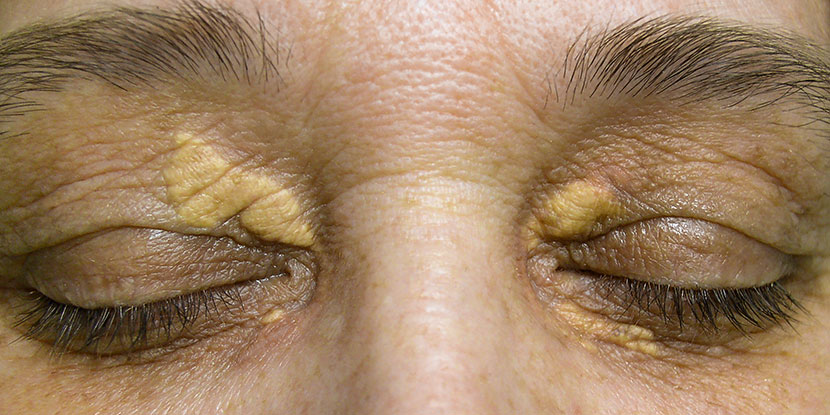
Yellowing of the Skin or Eyes
Yellow tones in the skin or the whites of the eyes can indicate that the liver is not processing bilirubin properly. This is never a wait and see symptom: consult a doctor promptly. Early evaluation of liver issues leads to far better outcomes than delayed care.
Building a Simple Skin Check Routine
You do not need to obsess over your skin, but a light routine helps you notice changes early:
- Once a month, take a few minutes to look over your skin in good light, including your back, scalp, nails, and the soles of your feet.
- Photograph anything new. A phone photo with a coin for scale gives you and your doctor a reliable baseline.
- Note changes, not just spots. What matters most is evolution: something that looks different than it did last month.
- Protect your skin daily. Sunscreen, moisturizer, and gentle products keep your skin healthier and make real changes easier to spot.
Your skin talks. Most of what it says is harmless, but learning to hear the important parts, and acting on them early, is one of the simplest investments you can make in your health.
This article is for informational purposes only and is not medical advice. Please consult a qualified professional.