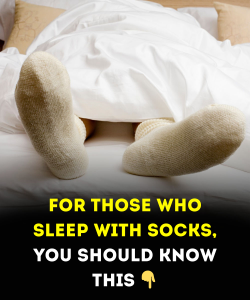
Why Sleeping With Socks Might (or Might Not) Work for You
For many people, slipping on a soft pair of socks before bed feels like a cozy nighttime ritual. Beyond comfort, this habit may also influence how quickly you fall asleep and how restful the night becomes. Others, however, find socks uncomfortable, restrictive, or simply unsuitable for their situation.
So which is it? Is the bedtime sock a legitimate sleep aid or just a cozy placebo? The answer, like most things about sleep, is personal. Let's look at what the habit actually does, who benefits most, and who should probably skip it.
Potential Benefits: The Science of Warm Feet
The most commonly cited benefit of sleeping in socks is that it can help you fall asleep faster. The mechanism is surprisingly well supported by sleep science.
Vasodilation and sleep onset. Wearing socks gently warms the feet, which encourages blood vessels in the extremities to widen, a process called vasodilation. This widening allows heat to redistribute from the body's core to the hands and feet. Here's the key insight: a slight drop in core body temperature is one of the body's primary signals that it is time to sleep. By warming the feet, you accelerate that core cooling, effectively telling your brain that bedtime has arrived.
This isn't folk wisdom. Sleep researchers have found that the degree of vasodilation in the hands and feet is among the best physiological predictors of how quickly someone will fall asleep. Warm feet, faster sleep onset: the connection is real.
Temperature stability through the night. Beyond falling asleep, steady foot warmth helps keep overall body temperature stable, reducing the micro-awakenings that fragment sleep. People who often wake with cold toes may find that socks meaningfully improve sleep continuity, especially during cooler seasons.
Skin benefits. Applying a gentle moisturizer before bed and then putting on breathable socks can help lock in moisture overnight, reducing dryness and cracked heels. Dermatologists sometimes recommend this exact routine for dry, rough feet.
Comfort for specific conditions. For some people, regulated foot temperature eases nighttime restlessness or the discomfort of hot flashes, creating a calmer environment for sleep. The familiar sensation of socks can also serve as a psychological wind-down cue, signaling to the brain that the day is done.
Who Should Be Careful
Although bedtime socks are generally harmless for most adults, there are cases where they may be uncomfortable or inappropriate.
- Circulation concerns: People with poor circulation should avoid tight or constrictive socks, which can further reduce blood flow to the feet. If you have a vascular condition, check with your doctor about whether bedtime socks are advisable and what type to use.
- Neuropathy: Those managing conditions such as diabetic neuropathy may not feel when socks cause pressure, bunching, or irritation. Unnoticed friction can lead to sores, so extra caution and soft, seamless socks are important.
- Overheating: Some people simply run hot at night. If socks leave you sweaty or restless, they are working against your sleep, not for it. Sleep quality depends on overall thermal comfort, and for hot sleepers, bare feet may be better.
- Skin infections: Fungal issues like athlete's foot thrive in warm, moist environments. If you are treating a foot infection, follow your doctor's guidance rather than defaulting to overnight socks.
Choosing the Right Socks for Sleep
Not all socks are equal when it comes to bedtime. If you want to try the habit, set yourself up for success:
- Go loose and soft: Choose socks that are non-binding around the calf and ankle. Compression-style or tight elastic bands defeat the purpose.
- Pick breathable fabrics: Natural fibers like cotton, bamboo, or merino wool allow airflow and wick moisture. Avoid heavy synthetics that trap heat.
- Keep them clean: Put on a fresh pair at bedtime rather than the ones you wore all day. Clean socks mean better hygiene and no accumulated sweat.
- Consider bed socks specifically: Some brands make extra-soft, loose "bed socks" designed exactly for this purpose, often with minimal elastic.
The Broader Picture: Sleep Hygiene
Socks are a small piece of a much larger puzzle. If you are struggling with sleep, the fundamentals matter far more than footwear:
- Keep a consistent sleep schedule, even on weekends.
- Make the bedroom cool, dark, and quiet; most experts suggest around 65 degrees Fahrenheit (18 Celsius).
- Limit screens for the hour before bed, or at least dim them.
- Avoid caffeine in the afternoon and evening, and go easy on alcohol, which fragments sleep.
- Get daylight exposure in the morning to anchor your circadian rhythm.
- Wind down with a consistent routine, of which cozy socks can absolutely be a part.
Think of bedtime socks as a supporting actor, not the star. They work best layered onto an already healthy sleep routine.
The Verdict
Sleeping with socks might work for you if you tend toward cold feet, take a long time to fall asleep, or simply find the sensation comforting. The vasodilation mechanism gives the habit genuine physiological backing, and for many people the ritual itself, the signal that the day is over, is half the benefit.
It might not work for you if you overheat at night, have circulation or nerve issues that make it risky, or just find it irritating. Sleep is deeply individual, and no single trick works for everyone.
The good news: this is one of the lowest-stakes experiments in all of sleep science. Try it for a week. Notice how fast you fall asleep and how you feel in the morning. Your feet, and your rest, will tell you everything you need to know.
Frequently Asked Questions
Do socks really help you fall asleep faster?
For many people, yes. Warming the feet promotes vasodilation, which helps lower core body temperature, one of the body's key sleep-onset signals. Individual results vary.
What kind of socks are best for sleeping?
Soft, loose-fitting socks made from breathable natural fibers like cotton, bamboo, or merino wool. Avoid tight elastic bands and heavy synthetics.
Is it bad to sleep with socks every night?
For most healthy adults, no. Just keep the socks clean, loose, and breathable. People with circulation problems, neuropathy, or foot infections should consult a doctor first.
Can socks help with cold feet caused by poor circulation?
They can provide comfort, but they don't treat the underlying cause. If your feet are persistently cold, or if you have diabetes or vascular disease, discuss it with a healthcare provider rather than relying on socks alone.
What if socks make me too hot?
Then skip them. Overheating disrupts sleep more than cold feet do for most hot sleepers. A cool room and breathable bedding matter more than any single accessory.