The Truth About Expired Canned Food: How Long Is It Really Safe to Eat?
If you have ever rummaged through your pantry and stumbled upon a forgotten can of beans or soup long past its printed date, you have probably wondered whether it is still safe to eat. Many people assume that expiration dates automatically mean danger, but the reality is far more reassuring. Understanding what those dates actually mean can save you money, reduce food waste, and give you confidence the next time you find a dusty can at the back of the shelf.
What Date Labels Actually Mean
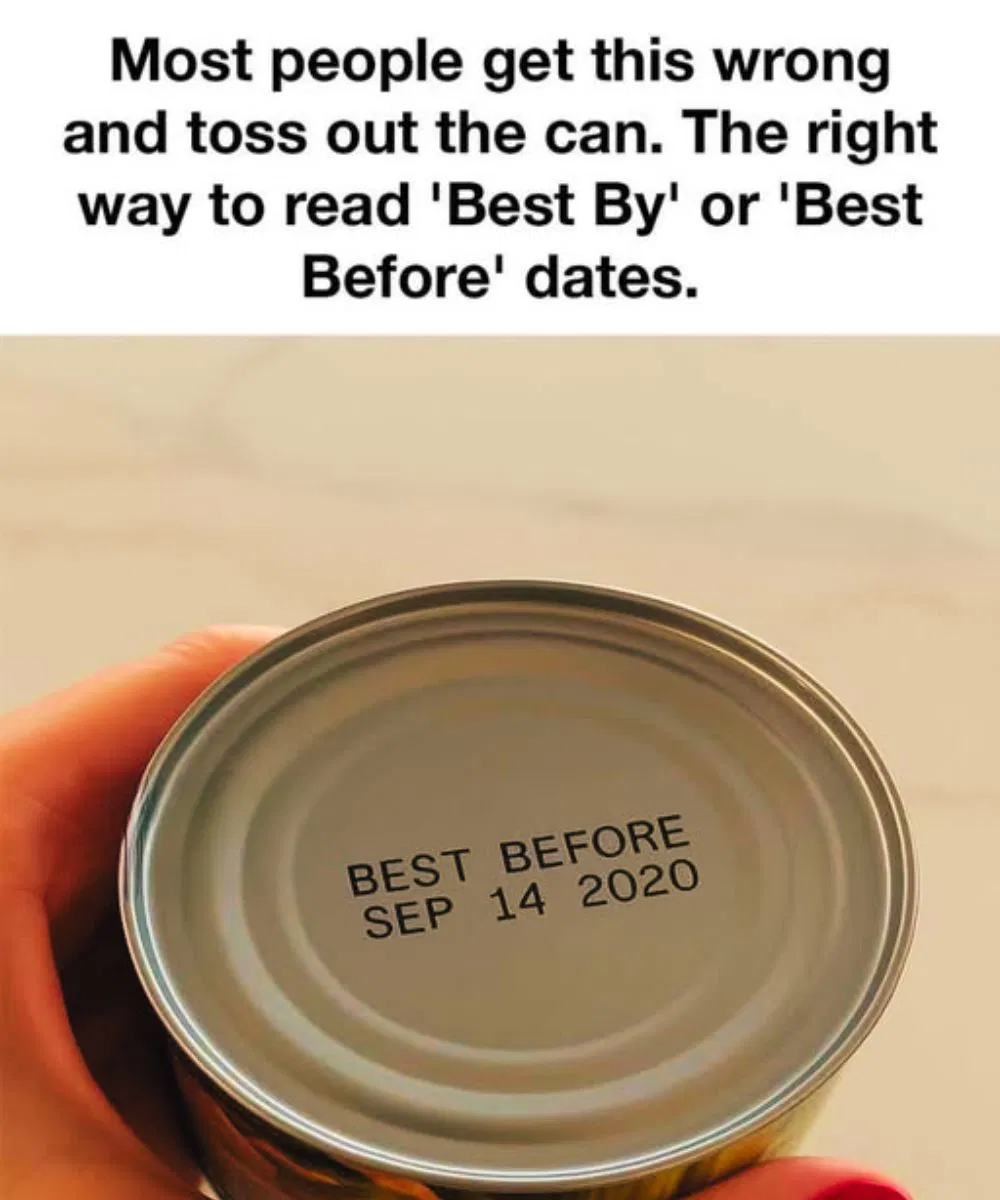
The dates printed on canned goods, such as "Best By" or "Best Before," are not strict safety deadlines. Instead, they are guidelines for peak freshness, flavor, and texture. After these dates, the food may lose some of its original taste or color, but it is often still perfectly safe to consume.
This distinction confuses many shoppers. Here is a clear breakdown of common labels:
- "Best By" or "Best Before." The manufacturer's estimate of when the product will taste its best. Not a safety date. The food is typically safe well beyond it.
- "Use By." More closely tied to safety, but mainly used on perishable items like dairy or deli meat, not canned foods.
- "Sell By." Directed at stores for stock rotation, not at consumers for safety.
- "Packed On" or coded dates. Used for tracking; some cans show only these.
Only "Use By" dates, which are more common on perishable items like dairy or meat, are closely tied to safety concerns, not canned foods. For cans, the printed date is about quality, and quality declines gradually, not overnight.
How Long Canned Food Really Lasts
When stored properly in a cool, dry place away from sunlight, canned food can last well beyond its labeled date. Many products remain safe for one to five years after the date has passed. The U.S. Department of Agriculture even notes that as long as a can is intact and undamaged, the food inside may remain safe indefinitely, though the taste or texture may gradually decline.
Shelf life varies by food type:
- Low-acid foods (beans, corn, carrots, canned meats, soups): generally the longest lasting, often fine for 2 to 5 years past the date.
- High-acid foods (tomatoes, citrus fruits, pickled items): the acid slowly interacts with the can lining over time, so these are best within 12 to 18 months past the date.
- Home-canned foods: follow tested recipes and guidelines; the USDA recommends using them within one year for best quality.
"Safe indefinitely" does not mean "tastes great indefinitely." A 10-year-old can of green beans will not poison you if the seal is intact, but it may be mushy, discolored, and unappetizing. Safety and quality are related but separate questions.
The Science of Canning: Why It Works
Canning preserves food through heat processing that destroys microorganisms, followed by an airtight seal that keeps new ones out. As long as that seal holds and the can remains undamaged, the sterile environment inside persists. Time alone does not break the seal or introduce bacteria.
What time does affect:
- Texture. Vegetables soften, fruits lose firmness.
- Color. Foods may darken, especially high-acid items.
- Flavor. Seasonings fade; metallic notes can develop in older cans.
- Nutrition. Some vitamins, particularly vitamin C, degrade gradually over years.
None of these changes make the food unsafe. They simply make it less enjoyable, which is why manufacturers set quality dates in the first place.
Warning Signs: When to Throw It Away
Of course, not all expired canned food is safe. Certain warning signs should never be ignored. If a can appears swollen, leaks, or shows signs of rust, it is best to throw it away. Never taste food from a compromised can to "check" whether it is okay.
Discard any can that shows:
- Swelling or bulging at the ends or sides, which can indicate gas produced by bacterial activity.
- Leaks, however small. A broken seal means the sterile environment is gone.
- Deep rust, especially along seams, which can compromise the metal.
- Dents on seams or rims, which may have broken the seal even if the can looks otherwise fine.
- Spurting liquid or an off smell when opened. Trust your senses and discard it.
- Foam or cloudiness in liquids that should be clear.
The most serious risk is botulism, a rare but potentially fatal illness caused by the bacterium Clostridium botulinum. It thrives in low-oxygen environments like sealed cans, which is exactly why damaged cans must be discarded without tasting. When in doubt, throw it out is not just a saying here. It is the rule.
Storing Canned Goods for Maximum Life
You can extend the useful life of canned food significantly with proper storage:
- Keep cans in a cool, dry place, ideally between 50 and 70 degrees Fahrenheit.
- Avoid heat sources like stoves, furnaces, and sunlit shelves. Temperatures above 100 degrees accelerate quality loss.
- Keep them dry. Moisture causes rust, and rust compromises cans.
- Rotate your stock. Put new cans behind old ones so the oldest get used first.
- Do not freeze canned goods. Freezing can break the seal as contents expand.
- Once opened, refrigerate. Transfer leftovers to a covered container and use within 3 to 4 days.
Reducing Waste Without Risking Health
Americans discard enormous amounts of perfectly safe food each year partly because of date label confusion. Learning the difference between quality dates and safety dates is one of the simplest ways to waste less and spend less.
A practical approach:
- Check the can, not just the date. An intact can past its date is usually fine. A damaged can within its date is not.
- Use your senses after opening. Normal appearance, smell, and texture mean normal food.
- Prioritize high-acid cans for earlier use since their quality window is shorter.
- Donate thoughtfully. Food banks accept canned goods past their "Best By" dates in most cases, but never donate damaged cans.
Frequently Asked Questions
Is it safe to eat canned food past its expiration date?
Usually yes. "Best By" dates on cans indicate peak quality, not safety. If the can is intact, with no swelling, leaks, or rust, the food is typically safe for years past the date.
How long does canned food last past the printed date?
Low-acid foods like beans and canned meats often last 2 to 5 years past the date. High-acid foods like tomatoes are best within 12 to 18 months past the date for quality reasons.
What are the warning signs of an unsafe can?
Swelling, leaking, deep rust, dents on seams, spurting liquid on opening, or any off smell. Never taste food from a can showing these signs.
Does the USDA really say canned food can last indefinitely?
The USDA notes that commercially canned food can remain safe indefinitely as long as the can is intact and undamaged, though quality declines over time.