The Vintage Kitchen Item That Sparked Curiosity Online
A Mystery Object Captures the Internet's Imagination
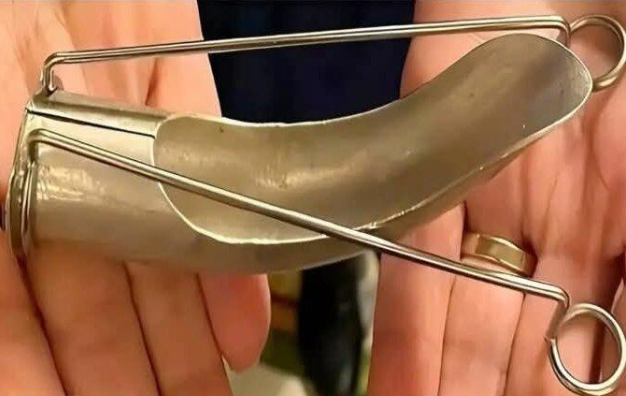
An unusual kitchen object recently caught the attention of many people online, leaving viewers curious about its original purpose. The photos showed a strange curved piece with a wire frame, unlike anything in a modern kitchen drawer. Comment sections filled with guesses: Was it a strange utensil? A broken appliance part? Some kind of antique tool?
While its shape may seem puzzling at first, this item is actually a practical accessory from a bygone era. It was designed as part of a classic juicer attachment for the Sunbeam Mixmaster, one of the most popular household appliances of the mid-20th century. The mystery, it turns out, had a perfectly logical and rather elegant explanation.
Solving the Puzzle: A Juice Spout and Strainer Support
This specific piece functioned as a juice spout and strainer support. Its curved design helped guide fresh juice smoothly into a glass, while the wire frame held a small strainer that filtered out seeds and pulp. Together, these simple elements made juicing cleaner and more efficient, reflecting the thoughtful engineering common in early kitchen tools.
Think about the problem it solved. Before this attachment, juicing citrus meant squeezing halves by hand over a bowl, picking out seeds with your fingers, and pouring through a separate strainer, a messy, multi-step process. The Sunbeam attachment streamlined everything: fruit went in, the machine did the work, juice flowed through the spout, and the strainer caught everything you did not want in your glass. It was the mid-century equivalent of a workflow optimization.
The Sunbeam Mixmaster: An American Icon
The Sunbeam Mixmaster earned its reputation as a reliable and versatile appliance in homes across the country. Introduced in the 1930s, it became a fixture of American kitchens for decades, its distinctive design instantly recognizable to generations.
Beyond mixing dough and batter, it could be expanded with various attachments that allowed it to perform multiple tasks. This expandability was central to its appeal and its longevity. The juicer accessory was especially appreciated, as it gave families an easy way to prepare fresh citrus juice without needing an additional machine on the countertop.
Other popular Mixmaster attachments included:
- Meat grinders for home-ground meats and sausages
- Slicers and shredders for vegetables and cheese
- Blenders that mounted on the mixer's power unit
- Coffee grinders for fresh-ground beans
- The juicer, with its now-mysterious spout and strainer support
This attachment represents a time when manufacturers focused on versatility and long-term use. Instead of buying several single-purpose appliances, households could invest in one quality machine and expand its capabilities over time. It was economical, space-efficient, and built to last, values that feel refreshingly modern in an age of disposable gadgets.
Why Vintage Kitchen Tools Fascinate Us
The online curiosity about this juicer part is part of a much larger phenomenon. Vintage kitchen tools consistently captivate internet audiences, and the reasons go beyond mere nostalgia:
- Mystery and discovery: Unfamiliar objects invite speculation. Guessing games in comment sections are genuinely fun, and the reveal satisfies our curiosity.
- Appreciation of craftsmanship: Older tools were often beautifully made from metal, wood, and glass, with an aesthetic quality that plastic modern equivalents lack.
- Simplicity admiration: Many vintage tools solved problems elegantly with minimal parts, a refreshing contrast to overcomplicated modern gadgets.
- Connection to the past: These objects link us to grandparents' kitchens, to slower mornings, to a time when things were repaired rather than replaced.
- Sustainability values: In an era of environmental consciousness, the durability and repairability of vintage tools feel virtuous.
The Mixmaster juicer attachment checks every one of these boxes. It is mysterious to modern eyes, beautifully engineered, elegantly simple, redolent of grandmother's kitchen, and built to outlast its owners.
The Golden Age of the Multi-Purpose Appliance
The Mixmaster's attachment system reflected a distinctive mid-century philosophy about household goods. Manufacturers competed not just on performance but on versatility and longevity. A 1950s advertisement for the Mixmaster might boast about the dozens of tasks one machine could perform, and consumers expected their appliances to serve for decades, not years.
This philosophy produced remarkable engineering. Attachments had to interface precisely with the mixer's power unit, operate safely in home kitchens, and perform as well as dedicated single-purpose tools. The juicer attachment met all these demands with a curved spout and a wire strainer holder, parts so well-designed that they still function perfectly more than half a century later.
Compare that to today, when many small appliances are designed with planned obsolescence, sealed units that cannot be repaired, and proprietary parts that become unavailable within a few years. The contrast explains much of the affection vintage tools inspire. They represent a different relationship between people and their possessions: one based on care, maintenance, and longevity.
Collecting and Using Vintage Kitchen Tools
The internet's fascination has fueled a thriving market for vintage kitchen items. The Mixmaster and its attachments are popular collectibles, with complete sets commanding premium prices among enthusiasts. But many collectors do not just display these items. They use them.
Vintage appliance users cite several advantages:
- Durability: Metal gears and robust motors often outperform modern plastic equivalents.
- Repairability: Simple mechanical designs can be maintained and fixed with basic skills.
- Performance: Many users insist that older mixers handle heavy doughs better than newer models.
- Aesthetics: The designs are simply beautiful, adding character to modern kitchens.
If you inherit or discover vintage kitchen tools, a few guidelines help: clean them thoroughly, check electrical components for safety before use (having an electrician inspect old wiring is wise), research the specific model for any known issues, and enjoy the connection to culinary history.
What This Little Spout Teaches Us
A curved piece of metal with a wire frame taught the internet a small lesson about design, history, and values. The most puzzling objects often have the most sensible explanations. The tools we find mysterious were once everyday essentials. And the qualities we admire in vintage items, durability, versatility, thoughtful engineering, are qualities worth demanding from the things we buy today.
The next time you encounter an unfamiliar object from the past, resist the urge to dismiss it as obsolete. Look closer. Ask what problem it solved. You might discover, as thousands of curious viewers did with this juicer attachment, that the past was more ingenious than you assumed.
Frequently Asked Questions
What is the vintage kitchen item that went viral online?
It is a juice spout and strainer support, part of a juicer attachment for the Sunbeam Mixmaster, a popular mid-20th-century stand mixer. Its curved design guided juice into a glass while its wire frame held a strainer that filtered seeds and pulp.
What was the Sunbeam Mixmaster?
The Sunbeam Mixmaster was one of America's most popular household appliances from the 1930s onward. It was a stand mixer designed to accept multiple attachments, including juicers, meat grinders, slicers, blenders, and coffee grinders, making it a versatile kitchen workhorse.
Why did manufacturers make multi-purpose appliances?
Mid-century manufacturers focused on versatility, economy, and longevity. One quality machine with attachments saved counter space and money compared to buying separate single-purpose appliances, and products were built to last for decades.
Are vintage kitchen tools still usable?
Often, yes. Many vintage tools feature durable metal construction and simple mechanical designs that remain functional. However, electrical components in old appliances should be inspected by a professional before use to ensure safety.
Why are people so fascinated by vintage kitchen tools?
The fascination combines mystery, appreciation of craftsmanship, admiration for elegant simplicity, nostalgic connection to past generations, and modern sustainability values that celebrate durability over disposability.