
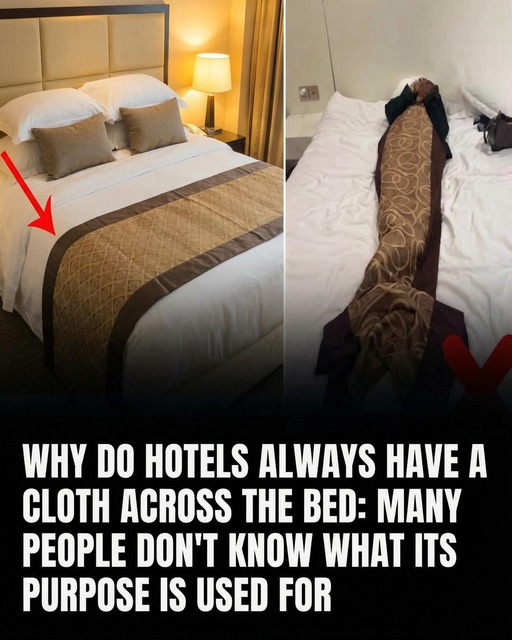
What Is the Purpose of the Fabric Strip Found on Hotel Beds?
If you've ever walked into a hotel room and noticed a long decorative strip of fabric placed neatly across the foot of the bed, you've seen what's commonly called a bed runner. It's one of those details most guests notice without really thinking about, yet it serves several practical and aesthetic purposes that hoteliers take quite seriously.
The Practical Purposes
Protection for the Bedding
The most functional role of the bed runner is protection. Guests often sit on the edge of the bed with outdoor clothes, place luggage on the foot of the bed, or toss bags and jackets there without thinking. The runner acts as a sacrificial layer, absorbing the wear, dirt, and friction that would otherwise land directly on the duvet or bedspread.
This matters more than it might seem. Hotel bedding is expensive to launder and replace. A runner that can be washed or swapped easily saves the hotel from constantly cleaning or replacing the main bedspread.
A Clean Surface for Belongings
Many travelers use the foot of the bed as a staging area: laying out clothes for the evening, setting down a laptop bag, or organizing items from a suitcase. The runner provides a defined, relatively clean surface for these belongings, keeping them off the pillows and sheets where hygiene matters most.
Hiding Bedding Seams
Bedspreads and duvets don't always align perfectly, and the foot of the bed is where folds, seams, and uneven edges tend to show. A well-placed runner creates a crisp, finished line that makes the whole bed look sharper and more intentional.
The Design Purposes
Visual Interest and Color
Hotel rooms, especially in large chains, can feel generic. The bed runner is one of the easiest ways to inject personality: a band of color, pattern, or texture that breaks up the expanse of white bedding. Interior designers use runners to tie the bed into the room's overall color scheme, echoing tones from the curtains, artwork, or carpet.
A Sense of Luxury
There's a psychological element at work. Layered bedding reads as luxurious. Just as a well-dressed person layers clothing, a well-dressed bed layers textiles: sheets, duvet, runner, and decorative pillows. Each layer signals care and quality, which is exactly the impression hotels want to create.
Brand Identity
For hotel chains, the runner can be a subtle branding tool. A distinctive pattern or color becomes part of the visual identity guests associate with the brand. Boutique hotels often use runners to express their unique character, whether that's minimalist, rustic, traditional, or avant-garde.
A Brief History of the Bed Runner
Decorative bed coverings have existed for centuries, from embroidered coverlets to the bedspreads of grand country houses. The modern hotel bed runner emerged as hotels professionalized their housekeeping and design standards in the 20th century.
As white bedding became the industry standard, chosen because it signals cleanliness and can be bleached, hotels needed a way to add warmth and character without compromising that crisp, clean look. The runner was the answer: a small, washable accent that delivers outsized visual impact.
What Guests Actually Do With Them
Here's an open secret in the hospitality industry: many guests remove the runner (and the decorative pillows) as soon as they arrive and toss them in a corner or closet. Housekeeping staff expect this. The runner's job is largely done the moment you walk in and think, "This room looks nice."
That first impression is valuable. Studies of guest satisfaction consistently show that room appearance strongly influences overall ratings, and the bed is the visual centerpiece of the room.
Should You Worry About Cleanliness?
A common question: is the bed runner actually clean? The honest answer varies by hotel:
- Reputable hotels launder runners regularly, either with each guest turnover or on a set rotation.
- Budget properties may change them less frequently than sheets, since runners don't touch skin during sleep.
- If you're concerned, you can simply move the runner aside, just as many guests already do.
The sheets, pillowcases, and towels are the items held to the strictest hygiene standards. The runner is decorative, and treating it as such is perfectly reasonable.
How to Style a Bed Runner at Home
Hotels aren't the only ones who can use this trick. A bed runner is one of the cheapest ways to make a bedroom look professionally styled:
- Choose a contrasting color or texture. A runner in a rich tone or interesting weave (linen, velvet, chunky knit) instantly elevates plain bedding.
- Fold it precisely. The hotel look comes from crisp placement: centered, straight, and sitting about a third of the way up from the foot of the bed.
- Coordinate, don't match. Pick up a color from your curtains, rug, or artwork rather than matching the duvet exactly.
- Layer with throw pillows. The classic hotel formula is sleeping pillows in back, decorative shams in front, and the runner anchoring the foot. Three layers read as luxury.
- Keep it washable. Choose fabrics that survive the laundry easily, since a runner at the foot of the bed collects dust and pet hair faster than you'd expect.
The Takeaway
That strip of fabric at the foot of your hotel bed is doing more work than it appears: protecting the bedding, giving your belongings a clean landing spot, adding color and luxury to the room, and quietly reinforcing the hotel's brand. It's a small detail, but hospitality is built from small details.
So the next time you check in, take a moment to appreciate the runner. Then feel free to toss it in the corner like everyone else does.
Frequently Asked Questions
What is the fabric strip on a hotel bed called?
It's called a bed runner (sometimes a bed scarf). It's a long, narrow decorative textile placed across the foot of the bed.
Is the bed runner clean?
Practices vary by hotel. Quality hotels launder them regularly, but they aren't held to the same turnover standards as sheets. If hygiene concerns you, simply set it aside.
Why do hotels use white bedding with a colored runner?
White bedding signals cleanliness and can be bleached, while the runner adds color, warmth, and design personality without compromising that clean look.
Do I need to put the runner back when I check out?
No. Housekeeping will remake the bed completely. Feel free to move decorative items wherever is comfortable during your stay.
Can I buy a bed runner for my own bedroom?
Absolutely. Bed runners are widely available from home goods retailers and are an inexpensive way to make your own bed look more polished and hotel-like.


