What Your Legs Can Reveal About Posture, Movement, and Individuality
The human body communicates in many subtle ways, and posture and movement are often among the first things people notice. Legs play a significant role in how we stand, walk, and carry ourselves throughout daily life. Beyond their practical function, they contribute to balance, mobility, and personal expression.
The Anatomy of Individuality
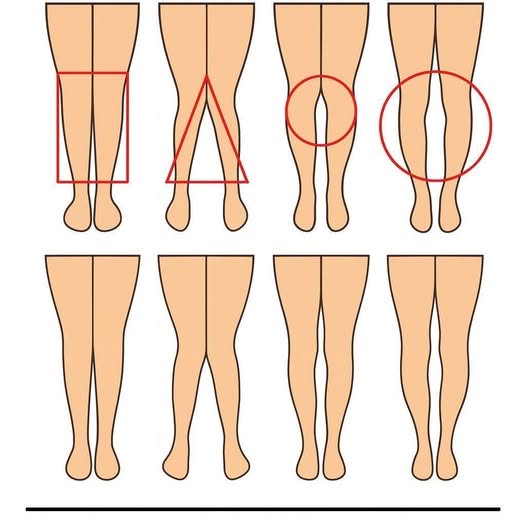
Legs are shaped by a combination of genetics, bone structure, muscle development, and lifestyle factors. These natural characteristics create a wide range of appearances, making every person's body unique. Some individuals have legs that appear straight and parallel, while others may have slight inward or outward angles. These differences are normal variations of human anatomy.
Consider what determines leg appearance:
- Bone structure. The length of the femur and tibia, the angle of the hip joint, and the alignment of the knee all vary genetically. Conditions like genu valgum (knock knees) or genu varum (bow legs) represent points on a normal spectrum.
- Muscle distribution. Where the body naturally builds muscle, calves versus thighs, inner versus outer leg, is largely inherited.
- Body composition. Overall build influences how legs look, but two people at the same weight can have very different leg shapes.
- Lifestyle. Activity levels shape muscle tone over time, layering nurture onto nature.
No single configuration is the "correct" one. Human bodies vary enormously, and that variation is the norm, not the exception.
Movement: Your Signature in Motion
The way a person moves is also influenced by their anatomy. Factors such as joint alignment, posture, flexibility, and muscle strength can affect walking patterns and overall mobility. These differences help create the unique movement styles that distinguish one individual from another.
Gait, the pattern of walking, is as individual as a fingerprint. Researchers can identify people by their walk alone. Your gait reflects:
- Joint mechanics. How your hips, knees, and ankles articulate together.
- Muscle balance. Strengths and tightnesses developed over a lifetime.
- Postural habits. How you carry your torso, shoulders, and head.
- Injury history. Old injuries leave lasting imprints on movement patterns.
- Footwear. Years in particular shoe types shape how feet strike the ground.
Physical therapists analyze gait to diagnose problems, but for most people, their distinctive walk is simply part of who they are. The confident stride, the relaxed amble, the purposeful march, these are expressions of individuality written in motion.
How Activity Shapes Legs
Physical activities can influence muscle tone and strength. For example, running, cycling, dancing, and other forms of exercise may contribute to stronger leg muscles and improved endurance. While fitness can affect muscle development, it typically does not significantly alter a person's natural bone structure.
Different activities sculpt legs in different ways:
- Running builds lean endurance in calves and thighs, emphasizing efficiency.
- Cycling develops powerful quadriceps and defined calves.
- Dancing creates balanced strength, flexibility, and graceful control.
- Swimming tones without impact, building long, even muscle.
- Weight training adds mass and definition, particularly in thighs and glutes.
- Yoga improves flexibility, balance, and the stabilizing muscles often neglected.
But bone structure remains bone structure. Exercise changes the soft tissue draped over the frame, not the frame itself. This is worth remembering when comparing your legs to someone else's: you are comparing different skeletons, not just different fitness levels.
Posture, Confidence, and Perception
Some popular discussions suggest that body language and posture may influence how others perceive confidence and personality. There is truth here, but it requires nuance.
Posture does communicate. Standing tall with open body language tends to read as confident. Hunched, closed posture tends to read as withdrawn. These are real social signals, and they affect first impressions.
However, posture is not personality. A person with rounded shoulders may be deeply confident but have a desk job. A person with perfect posture may be deeply insecure but well-trained. And many postural patterns reflect physical realities, scoliosis, old injuries, chronic pain, leg length differences, that have nothing to do with character.
While such interpretations can be interesting, they should be viewed as general observations rather than scientific conclusions. Personality is shaped by many factors and cannot be accurately determined by physical appearance alone.
Fashion and Self-Expression
Fashion choices often take body shape into account. Many people select clothing styles that complement their natural proportions and personal preferences. Options such as wide-leg trousers, fitted pants, skirts, or athletic wear can help individuals feel comfortable while expressing their own sense of style.
The healthiest approach to fashion is expression, not correction. Clothes should celebrate your body, not apologize for it. Some guidelines that help:
- Fit matters more than size. Well-fitting clothes flatter every body type.
- Comfort enables confidence. If you are comfortable, you carry yourself better.
- Personal style beats trends. The best-dressed people wear what feels like them.
- Function first. For active lives, performance and comfort are legitimate fashion values.
Beyond Appearance: What Legs Are For
Most importantly, legs are not a measure of beauty, value, or success. They are essential parts of the body that support movement, physical activity, and everyday life. Appreciating natural diversity helps promote a healthier and more positive perspective on body image.
Your legs have carried you through every day of your life. They have walked you to school, danced at celebrations, run toward things you wanted and away from things you didn't. They have held you up through grief and exhaustion. They bear scars, stories, and strength.
Every person's body tells its own story through movement, strength, and resilience. By focusing on health, comfort, and functionality rather than appearance-based standards, we can better appreciate the remarkable diversity of human anatomy.
The question is never whether your legs look right. It is whether they carry you where you want to go. And if they do, they are perfect.
Frequently Asked Questions
Are bow legs or knock knees normal?
Mild versions are common and often normal variations. In children, they frequently correct with growth. In adults, significant alignment issues that cause pain should be evaluated by an orthopedist, but cosmetic variation alone is not a medical problem.
Can exercise change the shape of my legs?
Exercise can change muscle tone, definition, and size, but it cannot significantly alter bone structure. You can build stronger, more toned legs, but your underlying skeletal shape remains the same. Embrace the frame you have and strengthen what surrounds it.
Does posture really affect how others see me?
To some degree, yes. Open, upright posture tends to create impressions of confidence in social settings. But posture is influenced by many factors including anatomy, injury, and occupation, and it reveals little about actual personality or capability.
Can you tell personality from someone's walk or legs?
No, not reliably. While gait is individual, like a fingerprint, it reflects biomechanics, habits, and history, not character traits. Personality is far too complex to read from physical appearance.
How can I improve my posture and movement?
Strengthen core and glute muscles, stretch tight hip flexors and hamstrings, be mindful of prolonged sitting, wear supportive footwear, and consider guidance from a physical therapist or qualified movement coach for personalized assessment.
What's the healthiest mindset toward body image?
Focus on function over form: what your body can do rather than how it looks. Appreciate natural diversity, limit comparison (especially to curated images), and treat your body as an ally. If body image concerns significantly affect your life, speaking with a counselor can help.