If a dog has ever sniffed you in a private area, it can feel awkward or surprising. From a human perspective, that reaction makes sense. However, for dogs, this behavior is completely natural and rooted in how they explore and understand the world.
A Powerful Sense of Smell
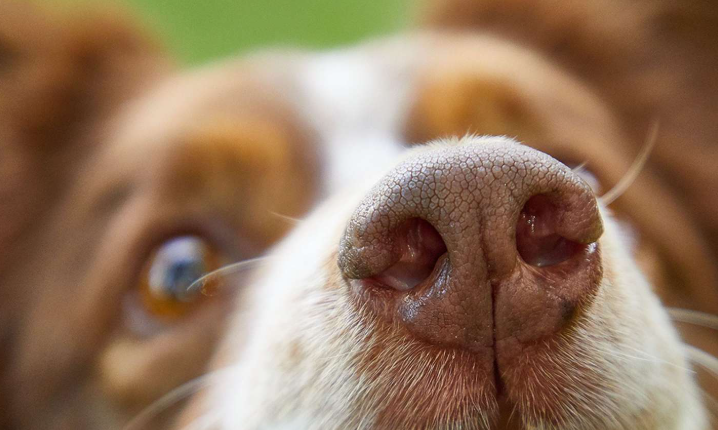
Dogs rely heavily on their sense of smell, which is far more advanced than ours. While humans have about five million scent receptors, dogs can have up to 300 million. This allows them to detect tiny chemical signals called pheromones, substances that carry information about other living beings.
Because of this ability, dogs use scent as a primary way to gather information. What may seem unusual to us is simply part of how they communicate and learn.
Why Dogs Focus on Certain Areas
Dogs are naturally drawn to areas of the body where scent glands are more concentrated. These areas provide stronger chemical signals, making it easier for dogs to gather information quickly.
When a dog sniffs a person, it may be learning about general health and physical condition, hormonal changes, emotional state such as stress or excitement, and familiarity or identity. This behavior is not driven by inappropriate intent but by curiosity and instinct.
A Natural Social Behavior
Sniffing is deeply rooted in canine behavior. In the wild, animals like wolves use scent to recognize members of their group, understand social roles, and communicate important biological information.
Domestic dogs have inherited this instinct. When they interact with humans, they apply the same scent-based communication methods.
When Is It Normal
In most cases, this behavior is completely normal. It often happens when a dog meets someone new, during moments of curiosity or excitement, or in social and playful situations. Younger and more social dogs may display this behavior more frequently.
When to Pay Attention
Although sniffing is usually harmless, there are situations where it may need attention. If it is paired with aggressive behavior, becomes overly persistent or difficult to redirect, or is combined with repetitive actions such as mounting, it may be worth addressing. In such cases, seeking advice from a professional trainer or veterinarian can be helpful.
How to Manage the Behavior
You do not need harsh corrections to handle this behavior. Calm and consistent training works best. Redirecting your dog’s attention with a toy or treat can be effective. Using simple commands like “no” or “enough” consistently helps build understanding. Rewarding positive behavior encourages your dog to respond correctly. Regular exercise reduces excess energy, and good grooming can also help limit triggers for curiosity.
Why Understanding Matters
Learning why dogs behave this way can make interactions more comfortable and less confusing. It allows you to respond calmly and build a stronger bond with your pet.
Dogs that receive clear guidance and enough mental and physical stimulation are less likely to develop unwanted habits. A balanced routine supports both their well-being and your peace of mind.
Interesting Facts About Dogs’ Sense of Smell
Dogs’ noses are so powerful that they can detect certain medical conditions through scent, sense hormonal changes in humans, and recognize emotional shifts like anxiety or stress. This remarkable ability is why dogs are often trained for roles in healthcare, search and rescue, and emotional support.
Final Thoughts
While it may feel uncomfortable at times, sniffing is a natural and important part of how dogs understand their environment. With patience, positive training, and consistent boundaries, it is easy to manage this behavior in a respectful way.
By understanding your dog’s instincts, you can create a more balanced and positive relationship built on trust, communication, and mutual comfort.