A simple classroom update turned into a broader conversation about children’s privacy and responsible photo sharing.
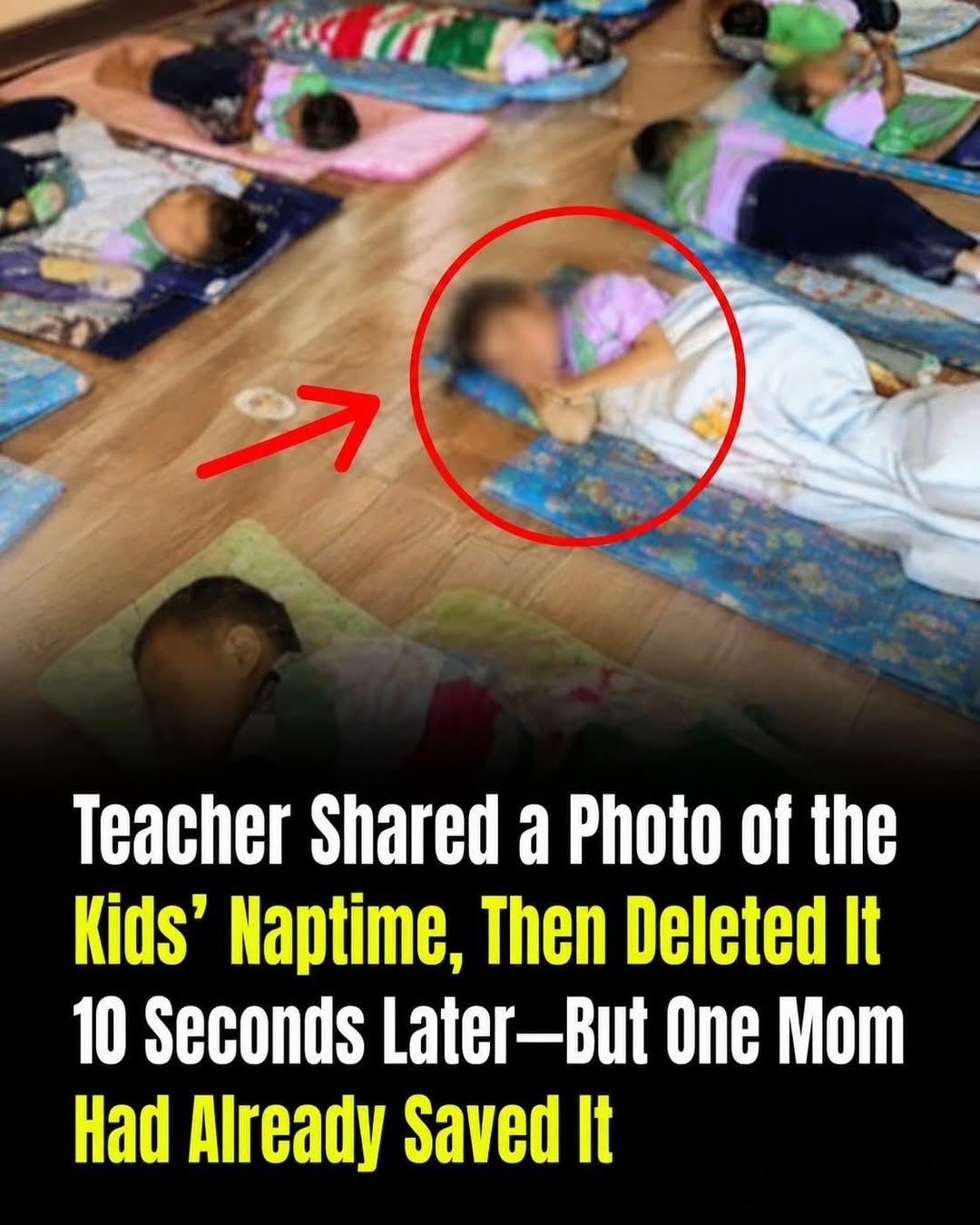
A preschool teacher recently shared a photograph showing children resting during nap time. The image was intended as a reassuring update for parents, but the teacher removed the post only a few seconds later. By then, at least one parent had already saved a copy, prompting discussion about how quickly digital content can spread.
While stories like this can attract attention online, the situation highlights a practical issue for schools and families: how can educators keep parents informed while also protecting children’s privacy?
Why Classroom Photos Require Careful Consideration
Schools and teachers often use photographs to show families what children are doing during the school day. Images of artwork, classroom projects, outdoor activities, and special events can help parents feel connected to their children’s experiences.
However, photographs involving identifiable children should be handled carefully. Parents may have different expectations about where and how their children’s images are shared, especially when photographs capture private or sensitive moments.
Many schools therefore establish photography and media policies. Depending on the institution, parents may be asked to provide written permission before their child’s image is used in newsletters, websites, social media posts, or other communications.
Even when permission exists, educators may still want to consider whether a particular photograph is appropriate to share.
Why Deleting a Post May Not Be Enough
One of the biggest challenges with digital content is that it can be copied almost instantly.
A teacher may remove a photograph shortly after posting it, but someone could have already taken a screenshot or saved the image. Once another person has a copy, deleting the original post cannot necessarily remove every version.
This is one reason digital privacy guidance generally encourages people to think carefully before publishing an image rather than depending on deletion afterward.
The same principle applies to private online groups. Although these groups can offer more control than public social media, members may still be able to capture and redistribute content.
Finding a Balance Between Communication and Privacy
Parents naturally appreciate updates about their children’s day. Classroom photographs can provide reassurance and help families understand what their children are learning and enjoying.
At the same time, schools have a responsibility to establish reasonable boundaries.
One approach is to use secure communication systems that are available only to authorized families. Schools can also provide clear instructions about whether photographs may be downloaded, forwarded, or posted elsewhere.
Staff training is another important part of the process. Teachers and administrators should understand the school’s photography rules and know when parental permission is required.
Parents Also Have an Important Role
Privacy does not depend only on teachers and schools.
When parents receive classroom photographs, they should remember that other children may appear in the background. Sharing those images publicly without permission can unintentionally expose another child’s identity.
A good practice is to keep school photographs for personal use unless the school and the families involved have clearly given permission for wider sharing.
Being careful with screenshots and forwarded images can help protect the privacy of everyone represented in a classroom photograph.
Safer Ways to Share Classroom Activities
Schools can still provide engaging updates without relying heavily on identifiable photographs of children.
For example, teachers might share photos of children’s artwork, classroom decorations, learning materials, group projects without identifiable faces, creative activities photographed from a distance, or images focused on hands and completed projects.
When photographs of children are appropriate and properly authorized, schools can also follow their established privacy policies regarding consent and image use.
Building Better Digital Privacy Practices
Technology has made communication between schools and families easier than ever, but it has also created new responsibilities.
Clear consent procedures, staff training, secure communication platforms, and thoughtful photo-sharing policies can reduce misunderstandings and help protect children’s privacy.
The situation involving the deleted nap-time photograph is therefore less about one particular post and more about a broader lesson: digital images should be treated carefully from the moment they are created.
A few extra seconds of consideration before publishing can make a meaningful difference. By working together, teachers, school administrators, and parents can keep families informed while respecting children’s privacy and maintaining trust within the school community.