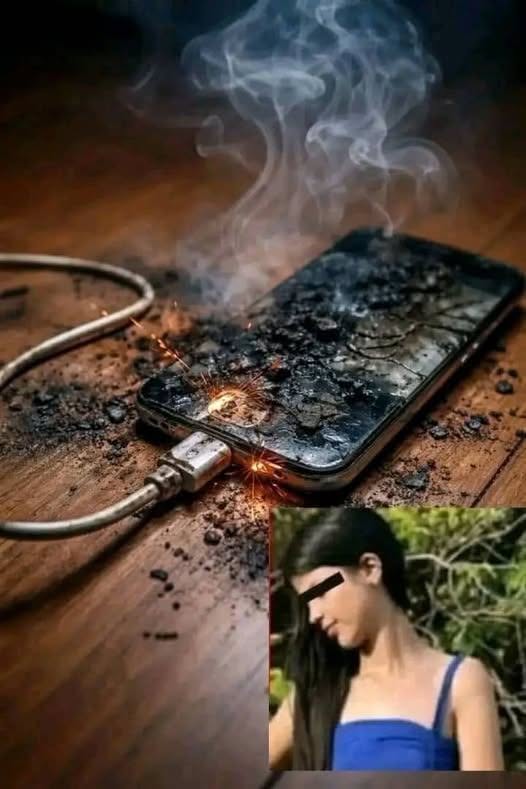
Electrical Safety at Home: Why Proper Charger Use Matters More Than Ever
In today's connected world, chargers have become a part of everyday life. From smartphones and laptops to wireless earbuds and smart devices, we rely on charging equipment to keep our technology running smoothly. While charging may seem like a simple routine, using the right equipment and following safe practices can help prevent unnecessary risks and extend the life of your devices.
Why Charger Safety Deserves Your Attention
The average household now has dozens of charging devices: phones, tablets, laptops, earbuds, smartwatches, toothbrushes, and more. Each one draws power, generates heat, and depends on a cable and adapter working correctly. With this many points of potential failure, small oversights can add up.
Electrical incidents related to charging do happen. Overheated chargers have started house fires. Counterfeit adapters have caused shocks and device damage. Frayed cables have sparked. None of this is meant to frighten, but to underline a simple truth: the most routine habit in your home deserves a moment of informed attention.
Choose Quality Chargers You Can Trust
One of the most important steps in charging safely is using high-quality, certified chargers. Reliable chargers are designed with built-in safety features that help regulate power, manage temperature, and protect devices from electrical issues.
What does "certified" mean? Look for recognized safety marks:
- UL (Underwriters Laboratories) or ETL marks in North America.
- CE marking in Europe.
- Manufacturer certification such as Apple MFi for Lightning accessories or USB-IF certification for USB-C products.
These certifications mean the product was independently tested against safety standards. Certified chargers include protections like over-current shutoff, over-voltage protection, temperature monitoring, and proper insulation.
Low-quality or counterfeit chargers may not meet the same safety standards. They often skip protective circuitry to cut costs, use inferior materials, and may deliver unstable power. Over time, they can affect battery performance and increase the likelihood of overheating.
Purchasing chargers from reputable manufacturers is a smart investment for both safety and device longevity. The price difference between a certified charger and a counterfeit is small. The difference in risk is not.
How to Spot a Counterfeit Charger
- Suspiciously low price for a supposedly brand-name product.
- Poor build quality: misaligned seams, flimsy prongs, blurry labeling.
- Missing certification marks or marks that look printed rather than molded.
- No manufacturer information on the packaging or product.
- Unusual weight: counterfeits are often suspiciously light because they lack protective components.
Don't Ignore Damaged Charging Cables
Charging cables experience daily wear and tear. They get bent, yanked, chewed by pets, pinched in drawers, and coiled too tightly. Frayed wires, cracked insulation, or loose connectors can reduce charging efficiency and may create potential safety concerns.
A damaged cable is not just an inconvenience. Exposed wiring can short-circuit, generate heat, or deliver power inconsistently, stressing your device's battery and charging circuitry. In worst cases, damaged cables have caused burns and fires.
Make cable inspection a habit:
- Check monthly for fraying near the connectors, where stress concentrates.
- Look for discoloration, kinks, or cracked insulation along the length.
- Test the fit. Connectors that wobble or fall out easily should be retired.
- Smell for burning. Any acrid or melting odor means stop using it immediately.
Regularly inspect your charging cables and replace any that show visible signs of damage. A new cable is often a simple and affordable way to maintain safe charging conditions. Think of it as the cheapest insurance in your home.
Practice Safe Charging Habits
How you charge your devices is just as important as the equipment you use. Experts generally recommend charging devices on hard, flat surfaces with good airflow. Soft surfaces such as beds, couches, or blankets can trap heat and reduce ventilation.
Heat is the enemy of both safety and battery longevity. Lithium-ion batteries, the type in nearly all modern devices, are sensitive to temperature. Trapped heat during charging accelerates battery degradation and, in extreme cases, can trigger thermal runaway, the chain reaction behind battery fires.
Additional safe charging habits:
- Avoid heavy device usage while charging. Gaming or video streaming during charging generates additional heat and places extra stress on the battery.
- Unplug when fully charged if convenient. Modern devices manage this well, but less time at 100% is gentler on batteries.
- Keep chargers ventilated. Don't bury them under pillows or inside closed cabinets while in use.
- Charge at room temperature. Avoid charging in very hot cars or freezing garages.
- Don't charge damaged devices. A phone with a swollen battery or cracked internals needs professional attention, not a charger.
Pay Attention to Electrical Outlets
Electrical outlets and power strips should be used responsibly. Plugging too many devices into a single outlet can place extra demand on the electrical system. This practice, called overloading, is a leading cause of residential electrical fires.
Watch for warning signs:
- Unusual warmth at the outlet or plug.
- Flickering power or devices that intermittently lose charge.
- Loose connections where plugs fall out easily.
- Discoloration or scorch marks around outlets.
- Buzzing or crackling sounds from outlets or power strips.
Using quality surge protectors and maintaining electrical equipment can help support a safer home environment. A few guidelines:
- Use power strips with built-in circuit breakers, not just multi-outlet adapters.
- Never daisy-chain power strips together.
- Replace power strips every few years; their protective components degrade.
- For expensive electronics, consider a UPS (uninterruptible power supply) for clean, stable power.
- If outlets feel warm or look damaged, call an electrician. Don't improvise.
Small Habits Make a Big Difference
Electrical safety often comes down to simple everyday choices. Using certified chargers, replacing damaged cables, and following responsible charging practices can help protect your devices and contribute to a safer home.
Consider doing a quick charging audit of your home:
1. Gather every charger and cable in the house.
2. Discard anything damaged, counterfeit, or of unknown origin.
3. Replace with certified products from reputable brands.
4. Set up dedicated charging stations on hard surfaces with good airflow.
5. Add quality surge protectors where multiple devices charge together.
By staying aware and taking a few preventive measures, you can enjoy the convenience of modern technology while reducing potential risks. The devices aren't going away. Neither are the chargers. A little attention now prevents problems later.
Frequently Asked Questions
Is it safe to leave my phone charging overnight?
Modern devices have battery management systems that stop charging at 100%, so overnight charging is generally safe with quality equipment. For battery longevity, some experts suggest keeping charge between 20% and 80% when convenient, but safety is not a significant concern with certified chargers.
Are cheap chargers really dangerous?
They can be. Counterfeit and uncertified chargers often lack protective circuitry for over-current, over-voltage, and temperature. This increases risks of overheating, device damage, and in rare cases, fire or electric shock. The savings are not worth the risk.
How do I know if my cable is damaged?
Look for fraying (especially near connectors), cracked or discolored insulation, kinks, loose-fitting connectors, intermittent charging, or any burning smell. If you see or smell any of these, replace the cable immediately.
Can I use a higher-wattage charger than my device needs?
Generally yes, with quality equipment. Devices draw only the power they need, and certified chargers negotiate safe power levels. However, always use chargers from reputable manufacturers, and follow your device maker's guidance.
Why shouldn't I charge my phone under my pillow?
Soft surfaces trap heat. Charging generates warmth, and without airflow, temperatures can climb to levels that damage the battery or, in extreme cases, create fire risk. Always charge on hard, ventilated surfaces.
When should I call an electrician?
If outlets feel warm, show scorch marks, make buzzing sounds, or if plugs fit loosely; if breakers trip frequently; or if your home has old wiring and you're adding significant electrical load. Electrical work is not a DIY project beyond basic precautions.