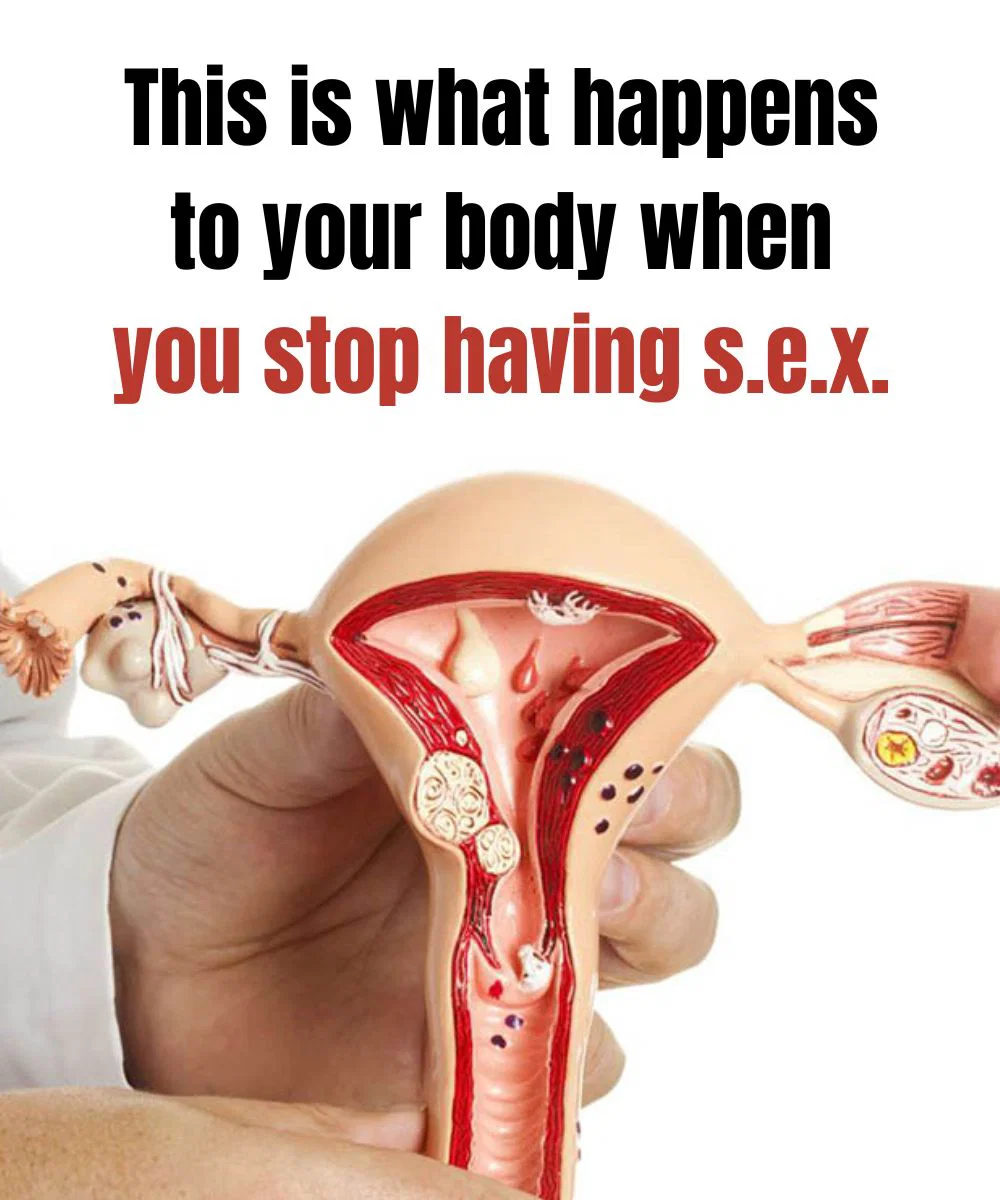
As people grow older, it’s natural for relationships and expressions of affection to evolve. Physical intimacy may become less frequent for many reasons, including health changes, lifestyle shifts, or the loss of a partner. However, intimacy is about much more than romance—it also includes hugging, holding hands, meaningful conversations, companionship, and emotional support.
These forms of connection can have a significant impact on overall well-being. Understanding how reduced physical and emotional closeness may affect the body and mind can help older adults maintain a healthy and fulfilling lifestyle.
Hormonal Changes and Overall Well-Being
Physical affection encourages the body to release hormones such as oxytocin, dopamine, and endorphins. These natural chemicals help regulate mood, reduce stress, and promote feelings of comfort and happiness.
As people age, hormone levels naturally change. Women experience menopause, while men gradually produce less testosterone over time. When physical affection also becomes less common, some individuals may notice increased stress, lower energy levels, or changes in emotional well-being. While reduced intimacy is not the cause of these age-related changes, maintaining close relationships may help support emotional balance.
The Connection Between Affection, Sleep, and Immunity
Research suggests that positive physical contact, including hugs and hand-holding, may help lower stress by reducing cortisol, the body’s primary stress hormone. Lower stress levels can contribute to healthier immune function and reduced inflammation.
Many people also find that emotional security and physical closeness encourage relaxation, making it easier to fall asleep and enjoy deeper, more restful sleep. When meaningful connection becomes limited, some older adults may experience more restless nights or difficulty relaxing before bedtime.
Muscle Relaxation and Physical Comfort
Gentle physical touch can help the body relax and reduce muscle tension. While it is not a medical treatment, affectionate contact may provide a calming effect on the nervous system.
As mobility naturally changes with age, some individuals may become more aware of muscle stiffness or everyday discomfort. Activities such as massage therapy, stretching, regular exercise, and supportive social interactions can also contribute to physical comfort.
Emotional Health and Social Connection
One of the most important benefits of close relationships is emotional support. Feeling valued, understood, and connected to others plays a major role in mental well-being.
When meaningful connection becomes less frequent, some older adults may experience loneliness, even if they are surrounded by family or friends. Loneliness is not simply being alone—it is the feeling of lacking meaningful emotional relationships.
For some people, reduced intimacy may also affect self-confidence or their sense of identity. Others, however, may feel perfectly content as relationships naturally shift toward companionship rather than physical affection. Every person’s experience is unique.
Brain Health and Cognitive Engagement
Scientists continue to study how social interaction influences brain health. Early research suggests that regular emotional connection, meaningful conversations, and supportive relationships may help stimulate areas of the brain involved in memory, motivation, and emotional regulation.
While no single factor can prevent age-related cognitive decline, maintaining strong social connections is widely recognized as one part of a healthy lifestyle that supports long-term brain function.
Simple Ways to Maintain Connection
Spending quality time with loved ones, sharing meaningful conversations, hugging family members or close friends when appropriate, holding hands with a partner, participating in community groups or social activities, enjoying hobbies together, and showing kindness through everyday gestures are all meaningful ways to maintain connection throughout life. These simple acts of affection and companionship can help strengthen emotional well-being without requiring romantic or physical intimacy.
A Healthy Perspective on Aging
Changes in intimacy are a normal part of aging and vary from person to person. What matters most is maintaining meaningful relationships, emotional support, and a sense of belonging.
Whether through family, friends, a partner, or community involvement, staying connected can support emotional resilience, improve quality of life, and contribute to overall health. Every stage of life offers opportunities to build fulfilling relationships that nurture both the body and the mind.