
After I Confessed My Mistake, My Wife's Reaction Changed Everything
Marriage is built on trust, love, and understanding, but sometimes even the strongest relationships face painful trials. This is the story, as told by one husband, of a confession that nearly ended a fifteen-year marriage, and the unexpected grace that followed.
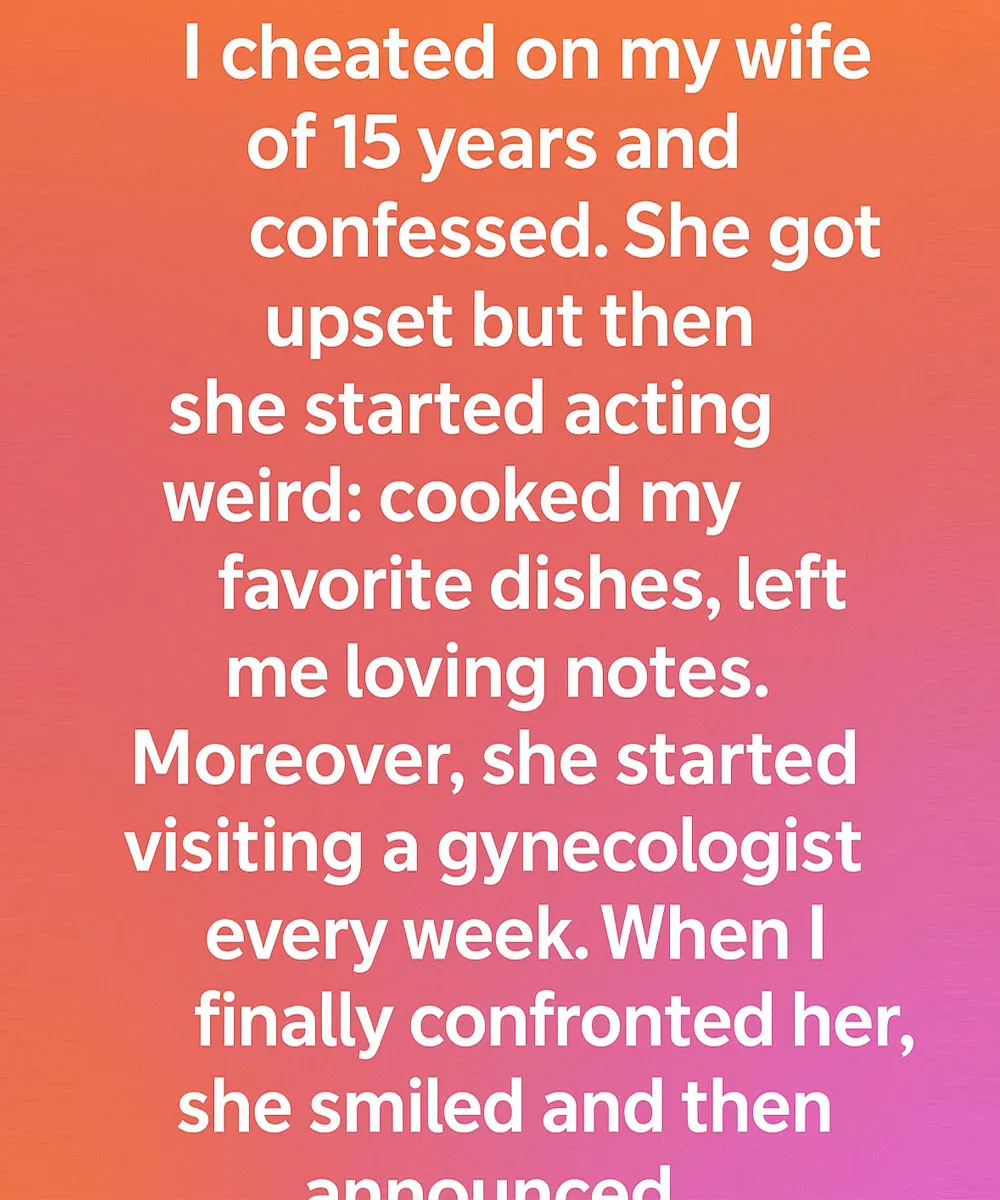
After fifteen years together, he made a terrible mistake that nearly destroyed everything: he was unfaithful to his wife. The guilt became unbearable, and one evening, he decided to confess the truth. He expected shouting, anger, maybe even the end of his marriage. But her reaction left him speechless.
She did not yell or cry out. She just sat quietly, tears streaming down her face, and walked away without a word. From that day forward, she became distant: polite, but emotionally far away. Days turned into weeks, and just when he thought the relationship was over, something unexpected happened. She began treating him with kindness again, preparing his favorite meals, leaving little notes on his desk, smiling warmly when he came home. It felt as if she had forgiven him, but he could not understand how.
Still, something seemed different. Every week, she told him she had appointments with her doctor. He wanted to trust her, but his guilt made him uneasy. Why so many visits? He did not dare ask, thinking he had no right to question anything after what he had done.
Finally, one quiet evening, he gathered the courage to ask her. She looked at him, her eyes calm and full of emotion, and whispered, "I'm pregnant." His heart stopped. After all the pain he had caused, she was carrying their child, and protecting both herself and the life growing inside her.
In that moment, he realized the depth of her strength and grace. She could have chosen anger or revenge. Instead, she chose compassion. That night, lying beside her, he understood that love is not about being perfect. It is about forgiveness, growth, and the courage to start again. He made a silent promise to her and to himself: to become the husband she truly deserved. Because sometimes, life gives us second chances, not as gifts, but as lessons to cherish and never repeat.
Why Confessions Unfold the Way They Do
Stories like this one raise questions that matter far beyond a single marriage. Why do people confess infidelity? Why do betrayed partners react with silence instead of rage? And what actually helps a couple recover, if recovery is possible at all?
Why the unfaithful partner confesses. Guilt is the most common reason, but it is rarely the only one. Some confess from fear of discovery and a wish to control how the truth comes out. Some confess because the secret itself has become corrosive. And some confess because they genuinely want to rebuild on honest ground. The motivation matters: confession driven by a desire to repair tends to lead somewhere better than confession driven only by fear of being caught.
Why the betrayed partner goes quiet. The wife's silent tears in this story are a recognizable response. Shock often shuts down dramatic reactions. Many betrayed partners describe an initial numbness, a strange calm before the full weight arrives days or weeks later. Silence is not the absence of feeling.
Why distance follows. The weeks of polite distance in the story reflect a real pattern. After betrayal, the hurt partner often needs space to decide what they feel and want. That distance can feel like punishment, but it is frequently self-protection.
What Genuine Repair Actually Requires
Not every marriage survives infidelity, and no one is obligated to try. But for couples who do attempt repair, therapists who work with infidelity identify consistent requirements. None of them are quick, and none of them are easy.
Complete honesty, then no more surprises
The unfaithful partner must answer questions truthfully and then commit to a life with no further secrets. Trickle-truth, where damaging details emerge over months, destroys rebuilding trust. One honest, painful conversation is the foundation; ongoing transparency maintains it.
Real accountability, not just apology
"I am sorry" is a starting point, not a repair. Accountability means understanding specifically what the betrayal cost the other person, accepting that healing follows their timeline rather than yours, and changing the conditions that allowed the affair: boundaries, habits, and honesty about vulnerabilities.
Patience with the healing timeline
The betrayed partner may seem fine for weeks and then be blindsided by grief months later. Triggers are unpredictable: a song, a location, a late arrival home. The unfaithful partner's job is to respond to each wave with steadiness rather than frustration that "we already dealt with this."
Professional help
Infidelity is one of the most common reasons couples seek therapy: the emotions are too intense and tangled for most couples to navigate alone. A licensed couples therapist provides structure, keeps conversations from becoming destructive, and helps both partners be heard. Individual therapy for each partner is often valuable alongside couples work.
A new relationship, not the old one restored
Therapists often say the goal is not to restore the old marriage, since it contained the conditions for betrayal. The goal is to build a second, stronger relationship with the same person: new agreements, deeper honesty, and clearer understanding of each other's needs.
Signs of Genuine Remorse Versus Damage Control
One of the hardest questions for a betrayed partner is whether the remorse is real. Therapists point to meaningful differences:
- Genuine remorse focuses on the partner's pain. Damage control focuses on the consequences to oneself.
- Genuine remorse welcomes difficult questions, even repeated ones. Damage control gets defensive or tries to set time limits on the discussion.
- Genuine remorse changes behavior voluntarily: more transparency, new boundaries, initiative in repair. Damage control performs change only while being watched.
- Genuine remorse accepts that forgiveness may never come. Damage control treats apology as a transaction that should purchase forgiveness.
In the story above, the husband's silent promise to become the husband his wife deserved is a beginning. Whether such a promise holds depends on what follows: consistent changed behavior over months and years, not a single moment of resolve.
Taking Care of Yourself Through Betrayal
This article has focused on the couple, but the betrayed partner's individual well-being deserves attention too:
- You are allowed to feel everything. Rage, numbness, grief, and confusion can coexist. None of it means you are handling it wrong.
- Lean on trusted people. A close friend, family member, or therapist who can listen without pushing you toward a particular decision is invaluable.
- Protect your health. Betrayal trauma affects sleep, appetite, and concentration. Basic self-care is not selfish; it is necessary.
- You do not have to decide immediately. Give yourself permission to gather information, feel your feelings, and decide on your own timeline.
- Pregnancy adds complexity. As in this story, major life events can coincide with betrayal. Decisions about the relationship and about a pregnancy are separate, and each deserves clear-headed consideration, ideally with professional support.
Frequently Asked Questions
Should you confess an affair, or is it kinder to keep it secret?
Therapists generally advise honesty, because secrets tend to surface and discovery is usually more damaging than confession. But how the truth is disclosed matters enormously, and many recommend doing it with professional guidance.
Can a marriage truly recover from infidelity?
Yes, many do, and some couples report their relationship becomes stronger than before. But recovery is not guaranteed: it usually takes one to two years of sustained effort and genuine commitment from both partners.
What if the betrayed partner cannot stop thinking about it?
Intrusive thoughts are a normal trauma response after betrayal. They typically fade as trust is rebuilt. If they persist intensely, individual therapy can help.
Is it ever the betrayed partner's fault?
No. Relationship problems may be shared, but the decision to be unfaithful belongs entirely to the person who made it. A struggling marriage explains context; it never excuses betrayal.
When should a couple consider separation instead of repair?
When there is ongoing deception, repeated infidelity, abuse of any kind, or when one partner is unwilling to do the work of repair. A therapist can help clarify whether the relationship is workable, and no one should stay in a situation that is harming them.
The Deeper Lesson
The husband in this story learned that love is not about being perfect. It is about forgiveness, growth, and the courage to start again.
Second chances in a marriage are not gifts handed over lightly. They are earned through honesty that costs something, patience that stretches for months, and change that holds when no one is watching.
If you are living through something like this, you do not have to navigate it alone. Consider reaching out to a licensed couples therapist or counselor who can help both of you find the clearest path forward.


